


I. Introduction
Hey there! As someone deeply involved in the cross - border logistics between China and Australia for years, I've seen how things change. The year 2026 is expected to bring some significant challenges to the shipping lead time for Chinese products reaching Australian consumers. Many Australian small business owners, importers, and e - commerce sellers are worried about these potential changes. I remember a client back in 2024 who was an apparel importer in Sydney. He faced long shipping delays due to unforeseen circumstances, and it really affected his business. So, let's dig into what might happen in 2026.
II. New Policies and Their Impact
2026 Australian ABF New Policies The Australian Border Force (ABF) is set to implement new policies in 2026. These policies are mainly focused on enhancing biosecurity and trade compliance. For instance, there'll be stricter inspections on products that might carry pests or diseases. The Department of Agriculture, Fisheries and Forestry (DAFF) has been emphasizing the importance of protecting Australia's unique ecosystem. Products like wooden furniture, food items, and some textiles may be subject to more in - depth checks. In one of my operations, a trade factory in Melbourne ordered a large batch of wooden home goods from China. Under the current regulations, the inspection process already takes some time. With the 2026 policies, I estimate that the inspection time could increase by about 3 - 5 days on average. This directly adds to the shipping lead time.Customs Valuation Changes There will also be changes in customs valuation methods. The new rules aim to ensure that the declared value of goods accurately reflects their market value. This means that importers will need to provide more detailed and accurate information about the products they're importing. Any discrepancies could lead to delays as the customs authorities will need to verify the information. For example, 3C electronics sellers in Brisbane might find that if they mis - declare the value of their products, their shipments could be held up for up to 7 - 10 days while the valuation is sorted out.
III. Shipping Capacity and Infrastructure
Port Congestion Port Botany and the Port of Melbourne are two of the busiest ports in Australia. In 2026, the expected growth in trade volume between China and Australia might lead to increased port congestion. As more ships arrive, there'll be a higher demand for berthing space, loading, and unloading facilities. I've seen how quickly a port can get congested during peak seasons. In 2025, during the holiday season, ships had to wait for an average of 12 days at Port Botany due to congestion. With the expected growth in 2026, this waiting time could potentially double.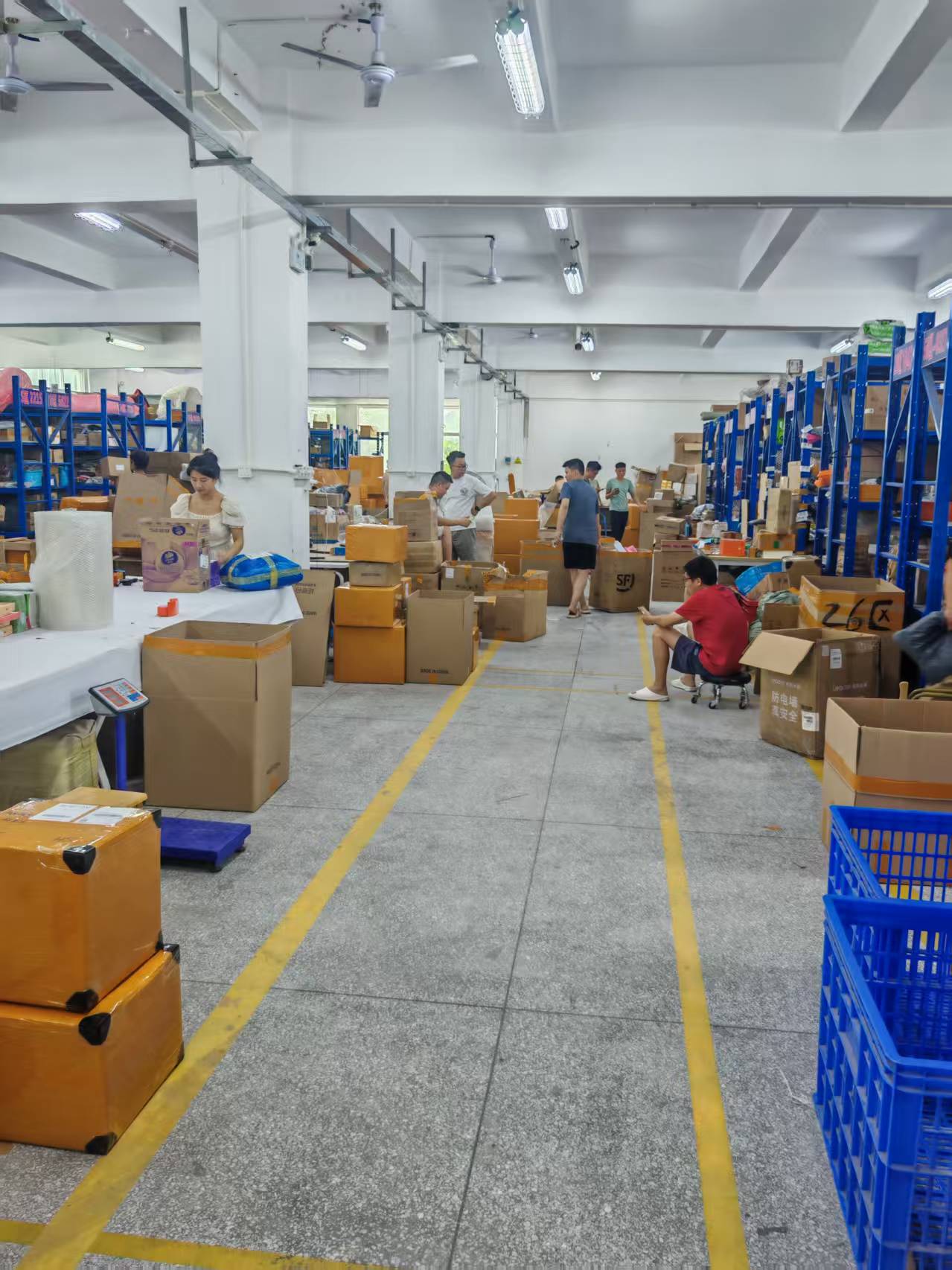
Shipping Line Capacity The shipping lines also play a crucial role. Some shipping lines might face capacity constraints in 2026. They may not have enough vessels to meet the growing demand. This could result in longer waiting times for bookings. For example, if a home goods seller in Sydney has a large order ready to be shipped, they might have to wait for 10 - 15 days just to get a shipping space, compared to 5 - 7 days currently.
IV. Supply Chain Disruptions
Weather and Natural Disasters Weather conditions and natural disasters can have a huge impact on shipping lead time. In 2026, with the increasing frequency of extreme weather events due to climate change, such as typhoons in the South China Sea and cyclones in the Australian waters, there's a higher risk of delays. I remember a shipment in 2023 that was supposed to reach Melbourne from Shanghai. A typhoon in the South China Sea forced the ship to change its route and wait for the weather to improve. This added about 14 days to the shipping time.Labour Strikes Labour strikes at ports can also cause significant disruptions. In 2026, there's a possibility of labour disputes at Australian ports. If the workers go on strike, the loading and unloading of ships will come to a halt. For example, a strike at the Port of Melbourne in 2024 lasted for 10 days, and it affected numerous shipments, including those of 3C electronics sellers and apparel importers.
V. How to Mitigate the Challenges
Early Planning Importers and sellers should plan their orders well in advance. By placing orders earlier, they can account for the potential delays due to new policies, port congestion, or other disruptions. For example, if an e - commerce seller usually orders products from China 3 months before the peak selling season, in 2026, they might need to place the order 4 - 5 months in advance.Diversify Shipping Options Instead of relying on a single shipping line or route, businesses can diversify their shipping options. They can explore different shipping lines and consider alternative ports. For instance, if Port Botany is too congested, they can try shipping to Brisbane.
Work with a Reliable Logistics Partner A reliable logistics partner like [Aofei International Logistics] can help businesses navigate these challenges. With 12 years of experience in the Sino - Australian cross - border logistics track, Aofei International Logistics has strong capabilities in integrating space resources, customs clearance, port operations, and Australian end - delivery. They can provide professional advice on customs compliance, help with accurate product valuation, and find the most efficient shipping solutions.
VI. FAQ
Q: How can I ensure my products pass the stricter biosecurity inspections in 2026? A: You need to make sure your products meet the Australian biosecurity standards. Provide detailed product information, including the origin, materials used, and any treatments. A reliable logistics partner like Aofei International Logistics can also assist you with the necessary documentation and pre - inspection preparations.Q: What if my shipment is delayed due to customs valuation issues? A: If you face customs valuation issues, cooperate fully with the customs authorities. Provide all the relevant documents to prove the correct value of your products. A professional logistics company can guide you through the process and communicate with the customs on your behalf.
Q: Can I still meet the peak season demand with the expected longer shipping lead times in 2026? A: It'll be challenging, but with early planning, diversifying shipping options, and working with a good logistics partner, you have a better chance. You can place your orders earlier, monitor the shipping progress closely, and have contingency plans in case of unexpected delays.
Q: How does Aofei International Logistics help with the shipping challenges in 2026? A: Aofei International Logistics has a team of experts who are familiar with the 2026 policies and regulations. They can optimize the shipping process, ensure accurate customs declarations, and help you avoid unnecessary delays. They also have stable space resources, so they can better deal with capacity constraints.
Q: Are there any additional costs associated with the new policies and potential delays? A: There may be some additional costs. For example, if your shipment is held up at customs for a longer time, there could be storage fees. However, a professional logistics partner can help you minimize these costs by providing efficient solutions and timely communication.