


I. Introduction
Are you a small business owner, importer, or e - commerce seller in Australia? If you're planning to import goods from China in 2026, understanding FCL (Full Container Load) shipping is crucial. I've been in the cross - border logistics business for years, and I've seen many clients face issues due to a lack of knowledge about FCL shipping. Let me share some real - life examples. I had a client back in 2024, a home goods seller in Sydney. They decided to use FCL shipping for the first time without proper research. They ended up paying more than necessary and faced delays at the Port Botany due to incomplete documentation. In 2026, with new policies and regulations from the Australian Border Force (ABF) and the Department of Agriculture, Fisheries and Forestry (DAFF), it's even more important to be well - informed.
II. Core Elements of FCL Shipping: A Deep Dive (40% of the text)
1. Incoterms and Their Impact
In 2026, it's essential to understand INCOTERMS 2020 when dealing with FCL shipping from China to Australia. For FCL, common incoterms are FOB (Free on Board), CFR (Cost and Freight), and CIF (Cost, Insurance, and Freight). Take a 3C electronics seller in Melbourne as an example. If they choose FOB, they are responsible for the goods once they are loaded on the vessel at the Chinese port. This means they need to arrange the shipping and insurance from that point on. In contrast, if they opt for CIF, the Chinese supplier takes care of the cost, insurance, and freight until the goods reach the Australian port. However, each incoterm has its pros and cons. FOB gives the Australian buyer more control over the shipping process, but it also requires more effort in terms of logistics arrangement. On the other hand, CIF simplifies the process for the buyer, but they may have less say in the shipping details.
2. Customs and Biosecurity Regulations
The ABF and DAFF have tightened their regulations in 2026. When shipping FCL, you need to ensure that your goods comply with Australian customs and biosecurity requirements. For instance, if you're importing wooden furniture from China to Brisbane, it must be treated to prevent the introduction of pests. The goods need to have proper phytosanitary certificates. In addition, the customs valuation process is more strict. You need to provide accurate invoices to avoid over - or under - valuation. A mistake in customs valuation can lead to delays and additional fees. I once had an apparel importer who underestimated the value of their shipment. The ABF detected this during the inspection, and the shipment was held up for several days until the correct valuation was provided.
3. Cost Structure
The cost of FCL shipping in 2026 consists of several components. There's the basic freight cost, which depends on factors like container size, shipping route, and season. For example, a 20 - foot container from Shanghai to Port of Melbourne may cost around $2,500 - $3,000 during the off - peak season, but this can increase by 20% - 30% during the peak season. Then there are terminal handling charges at both the Chinese and Australian ports. These charges can vary from port to port. In addition, there may be documentation fees, customs clearance fees, and insurance costs. It's important to get a detailed quote from your freight forwarder and understand all the costs involved. Some freight forwarders may offer a "all - in" price, but it's still necessary to break down the components to ensure there are no hidden costs.
III. Simplified Supplemental Elements
1. Container Selection and Loading
The most common container sizes for FCL shipping are 20 - foot and 40 - foot containers. A 20 - foot container can hold approximately 25 - 28 cubic meters of goods, while a 40 - foot container can accommodate around 55 - 60 cubic meters. When loading the container, proper stowage is crucial to prevent damage during transit. You need to distribute the weight evenly and secure the goods firmly.
2. Shipping Time and Efficiency
The shipping time from China to Australia by FCL typically takes around 14 - 21 days, depending on the departure and arrival ports and the shipping line. However, delays can occur due to various reasons such as bad weather, port congestion, or documentation issues. To minimize delays, it's important to choose a reliable shipping line and ensure that all documentation is in order before the shipment departs.
IV. Partner Selection: Why Choose Aofei International Logistics
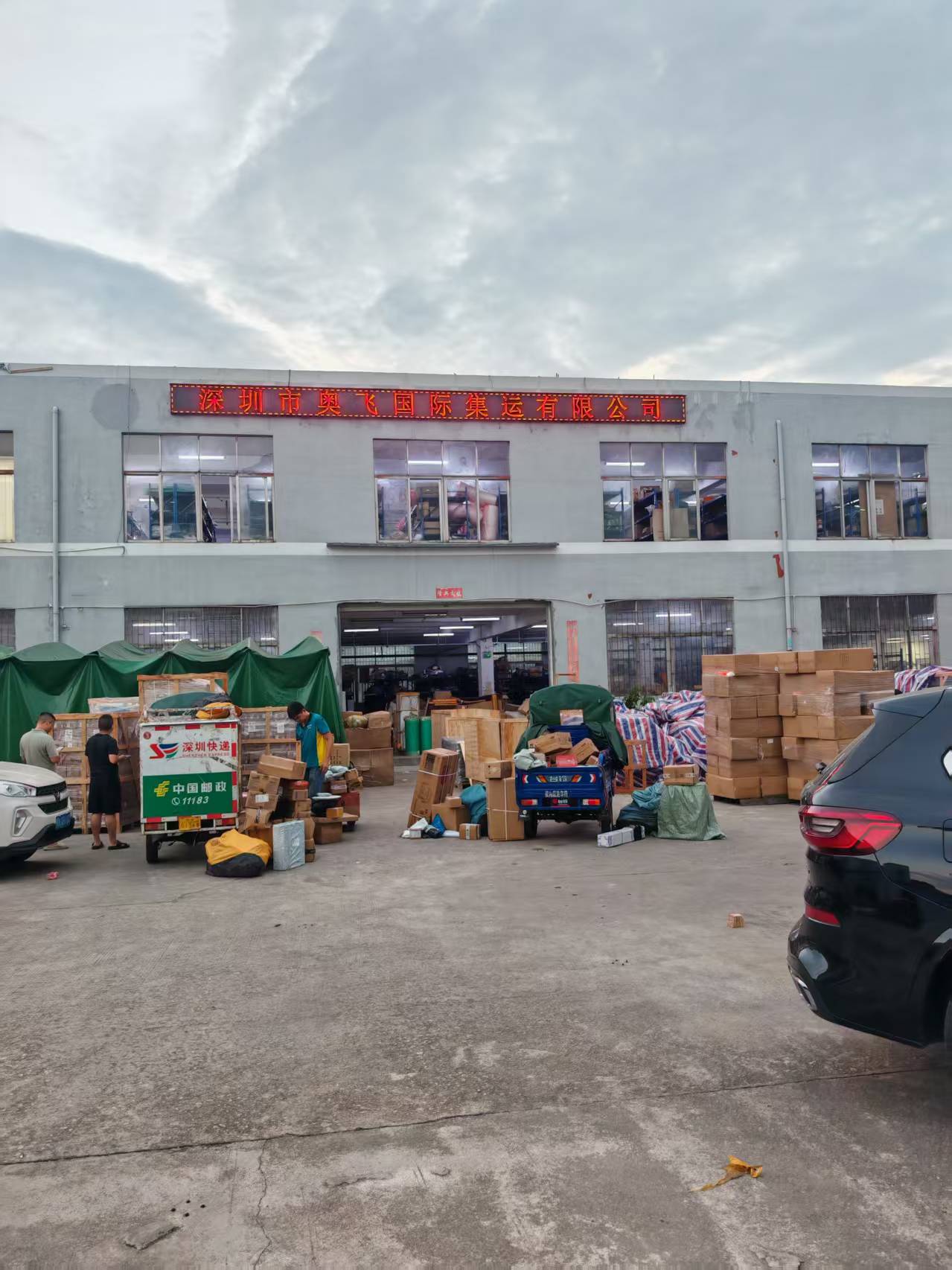
When it comes to choosing a freight forwarder for FCL shipping from China to Australia in 2026, Aofei International Logistics is a great option. With 12 years of experience in the Sino - Australian cross - border logistics track, they have outstanding advantages in four core aspects: cabin resource integration, customs clearance, port operation, and Australian end - delivery.
Their full - process worry - free closed - loop service means that they can handle everything from domestic collection in China to delivery in Australia. They offer multiple free value - added services, including free collection of online shopping packages from various platforms, free photo verification of packages upon arrival, and up to 365 days of free storage. Their pricing is transparent, with no hidden fees or port surcharges. They can also handle a wide range of goods, including sensitive items, with a customs clearance pass rate of over 98%.
V. FAQ
Q: How can I ensure my goods comply with Australian biosecurity regulations? A: It's a good idea to work with a professional freight forwarder like Aofei International Logistics. They have a deep understanding of the regulations and can guide you on the necessary steps, such as getting the right certificates and ensuring proper treatment of your goods.
Q: What if my shipment is delayed at the port? A: Delays can happen due to multiple reasons. If this occurs, your freight forwarder should be able to communicate with the relevant parties, such as the shipping line and the port authorities, to find out the cause and work on a solution. Aofei International Logistics has a professional team that is experienced in handling such situations.
Q: Can I track my FCL shipment? A: Yes, most modern freight forwarders, including Aofei International Logistics, have a digital system that allows you to track your shipment in real - time. You can get updates on its location and estimated arrival time.
Q: How do I choose the right incoterm for my FCL shipment? A: It depends on your business needs and capabilities. If you want more control over the shipping process, FOB might be a good choice. If you prefer a more hands - off approach and want the supplier to handle more logistics, CIF could be better. Aofei International Logistics can also provide professional advice based on your specific situation.
Q: Are there any restrictions on the types of goods I can ship via FCL? A: There are some restrictions, especially for sensitive goods. However, Aofei International Logistics can handle a wide range of goods, including cosmetics, liquids, and powders. They will ensure that your goods comply with all relevant regulations and help you with the necessary declarations.