


I. Introduction
Hey there, Australian small business owners, importers, and e - commerce sellers! As an insider in the China - Australia cross - border logistics industry with hands - on experience, I've seen firsthand how transit warehouses play a crucial role, especially with the upcoming 2026 Australia ABF (Australian Border Force) new policies. I remember a client back in 2024, a home goods seller in Sydney. They had a huge shipment, but due to a poor choice of transit warehouse, there were significant delays and damaged goods. This is exactly why understanding transit warehouses is so important for you all.
II. The Role of Transit Warehouses in China - Australia Logistics
Consolidation and Storage Transit warehouses serve as a central point for consolidating goods from different suppliers. Let's say you're an apparel importer in Melbourne. You source your products from multiple factories in China. These products can be stored in a transit warehouse until you have a full container load. This helps save on shipping costs as you can take advantage of full - container shipping rates. Also, it allows you to store goods for a certain period, which is particularly useful if your Australian storage space is limited.Quality Inspection Before the goods are shipped to Australia, transit warehouses can conduct quality inspections. I once had a 3C electronics seller client who was worried about the quality of a large order. The transit warehouse staff checked each item, found some defective products, and arranged for replacements. This ensured that only high - quality products were sent to Australia, saving the seller from potential customer complaints and returns.
Customs Clearance Preparation With the 2026 ABF new policies, customs clearance is becoming more complex. Transit warehouses can help prepare the necessary documents, such as HS codes, customs declarations, and invoices. They can also ensure that the goods meet the Australian biosecurity regulations. For example, if you're importing wooden home goods, the transit warehouse can arrange for the required fumigation and provide the relevant certificates.
III. Key Considerations When Choosing a Transit Warehouse (Deep - Dive Section)
Location and Accessibility The location of the transit warehouse is vital. A warehouse located near major Chinese ports like Port Botany (when talking about the origin point in China) or well - connected to transportation networks can reduce shipping times and costs. For instance, a transit warehouse near Shanghai Port can quickly load goods onto ships bound for Australia. It also means less time on trucks for inland transportation, which reduces the risk of damage.Warehouse Facilities and Equipment Good transit warehouses should have proper facilities for storing different types of goods. If you're an e - commerce seller of food products, you need a warehouse with temperature - controlled storage. For large and heavy items, such as furniture, the warehouse should have forklifts and cranes for easy handling. One time, I worked with a trade factory client that had large machinery to be shipped to Brisbane. We had to find a warehouse with the right equipment to safely move and store these items.
Service Providers' Reputation and Experience Reputation matters a lot. Look for transit warehouses with a good track record in the industry. You can check online reviews, ask for references from other importers or sellers. Experienced service providers are more likely to handle any issues that may arise during the storage and shipping process. A well - established transit warehouse will be familiar with the 2026 ABF new policies and can ensure compliance.
Cost Structure Cost is always a concern. Make sure the transit warehouse's pricing is transparent. Some may charge hidden fees for additional services like handling, inspections, or storage beyond a certain period. You need to understand their fee schedule, including packing charges, loading and unloading fees, and long - term storage costs. For example, an apparel importer might be attracted to a warehouse with low initial storage fees but later find high packing charges, which can significantly increase the overall cost.
IV. Impact of 2026 Australia ABF New Policies on Transit Warehouses
Biosecurity Checks The 2026 ABF new policies will likely strengthen biosecurity checks. Transit warehouses need to be more vigilant in ensuring that the goods they store are free from pests, diseases, and prohibited substances. They may need to implement more rigorous inspection procedures. For instance, if you're importing herbal products, the transit warehouse needs to ensure that they meet the strict Australian biosecurity standards.Documentation Accuracy There will be higher requirements for documentation accuracy. Transit warehouses will need to double - check all the documents related to the goods, including the origin certificates, HS codes, and customs declarations. Any errors in the documentation can lead to delays at the Australian border. For example, a wrong HS code can result in incorrect tariff calculations and customs holds.
Record - Keeping The ABF may require transit warehouses to keep detailed records of the goods they store and handle. This includes information about the suppliers, the quantity of goods, the storage period, and any inspections or treatments carried out. These records can be used for auditing purposes and to ensure compliance with the new policies.
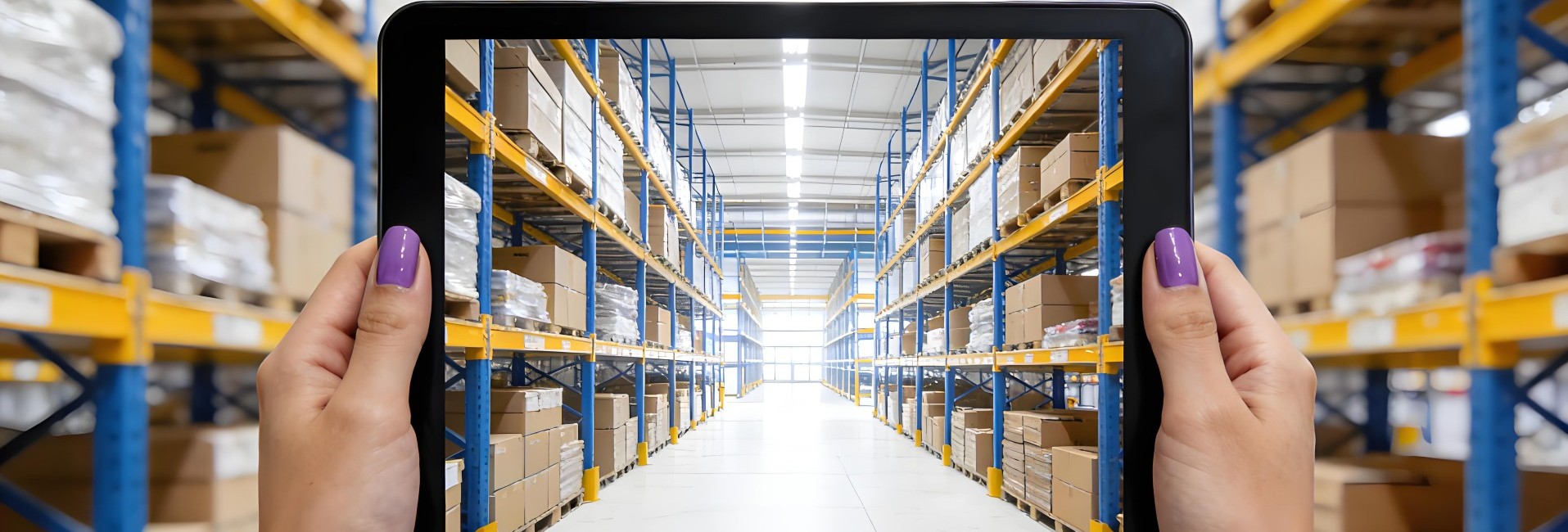
V. How Transit Warehouses Can Benefit Your Business
Improved Supply Chain Efficiency By using a transit warehouse, you can streamline your supply chain. You don't have to worry about coordinating multiple shipments from different suppliers directly to Australia. The transit warehouse can handle the consolidation and shipping process, which reduces the overall transit time. For example, an e - commerce seller can receive products from multiple suppliers in China, have them stored in the transit warehouse, and then ship them all at once to Australia, saving time and money.Risk Mitigation Transit warehouses can help mitigate risks. They can provide insurance options for the goods stored there, protecting you from potential losses due to damage, theft, or natural disasters. Also, their experience in handling customs clearance can reduce the risk of goods being held at the border. For instance, if there are any changes in the Australian import regulations, a well - informed transit warehouse can quickly adjust the documentation and procedures to avoid delays.
Flexibility in Order Fulfillment You have more flexibility in fulfilling orders. You can store goods in the transit warehouse and ship them as needed. This is especially useful for seasonal products or products with fluctuating demand. For example, an apparel importer can store winter clothing in the transit warehouse during the off - season and then ship them to Australia just in time for the winter months.
VI. FAQ
How do I know if a transit warehouse is compliant with the 2026 ABF new policies? Well, you can ask the warehouse about their experience in dealing with the new policies. A reliable warehouse will have a clear understanding of the biosecurity checks, documentation requirements, and record - keeping procedures. You can also ask for references from other businesses that have used their services to see how they've handled compliance. At our company, [Company Name], we have a team that stays updated on the latest policies to ensure full compliance.What if my goods are damaged in the transit warehouse? Reputable transit warehouses usually offer insurance options. Before you store your goods, discuss the insurance policy with them. They will also have procedures in place to handle damaged goods. For example, they may conduct an investigation to determine the cause of the damage and then work with you to resolve the issue. Some warehouses, like the ones we work with at [Company Name], have a quick response team to deal with such situations.
Can a transit warehouse help me with customs clearance in Australia? Yes, many transit warehouses can assist with customs clearance. They can help prepare the necessary documents and ensure that your goods meet the Australian customs requirements. This is especially important with the 2026 new policies. However, make sure to choose a warehouse with experience in this area. At [Company Name], we have a long - standing relationship with customs clearance agents and can facilitate a smooth customs process for you.
How much does it cost to use a transit warehouse? The cost varies depending on factors such as the location, the size of the storage space, the services provided, and the length of storage. Some warehouses may charge a flat fee per cubic meter, while others may have a more complex pricing structure. It's important to get a detailed quote from the warehouse and understand all the fees involved. For example, there may be additional charges for handling, inspections, or insurance. At [Company Name], we offer transparent pricing with no hidden fees.
Can I store different types of goods in the same transit warehouse? In most cases, yes. But it depends on the nature of the goods. Some goods, like chemicals or flammable materials, may have special storage requirements. A good transit warehouse will be able to accommodate different types of goods as long as they can meet the safety and regulatory standards. For example, if you're an importer with a mix of food products and electronics, the warehouse should have separate areas for food storage to prevent contamination. At [Company Name], we have facilities that can handle a wide range of goods.