


I. Introduction
Hey folks! As an experienced practitioner in cross - border logistics between China and Australia, I've come across numerous challenges and success stories, especially when it comes to textile shipping. In 2026, new policies and trends are emerging, and textile importers, small business owners, and e - commerce sellers in Australia need to be well - informed. I remember a client in 2024, an apparel importer based in Sydney, who faced significant delays due to improper documentation. His shipment was held up at Port Botany for weeks, causing him huge losses. So, let's delve into what you need to know about textile shipping this year.
II. The 2026 Policy Landscape
The Australian Border Force (ABF) and the Department of Agriculture, Fisheries and Forestry (DAFF) have introduced new regulations in 2026 to enhance biosecurity and fair trade. For textiles, chemical residues are under close scrutiny. Textiles need to meet strict chemical safety standards to prevent any potential harm to consumers and the environment. For example, the use of certain azo dyes is strictly prohibited.
Another important aspect is labeling requirements. All textile products must have clear and accurate labels indicating the country of origin, fiber content, and care instructions. This is not only for consumer transparency but also to ensure proper tariff classification. Non - compliant labeling can lead to penalties or even the rejection of the shipment.
III. Cost and Time in Shipping
1. Shipping Costs
The cost of shipping textiles to Australia varies depending on the mode of transport, the volume of the shipment, and any additional services required. Air freight is generally faster but more expensive. For example, shipping a small batch of high - end textiles may cost around $5 - $10 per kilogram. Sea freight, on the other hand, is more cost - effective for large volumes. A 20 - foot container of textiles can cost between $2,000 - $3,500, depending on the season and the shipping route.
2. Transit Times
Transit time also differs significantly between air and sea freight. Air freight typically takes about 3 - 5 days from China to major Australian cities like Sydney or Melbourne. Sea freight, however, can take much longer. A shipping container can take anywhere from 14 - 30 days, depending on whether it's a direct or transshipment route.
IV. Selecting the Right Shipping Provider
Choosing the right shipping provider is crucial for a smooth shipping process. I'd highly recommend considering companies like Aofei International Logistics, Maersk, and DHL.
Aofei International Logistics: This company has over 12 years of experience in the Sino - Australian cross - border logistics market. They offer a one - stop, door - to - door service with double - clearance and tax - included. They have a deep understanding of Australian customs policies and can provide professional guidance on documentation and compliance. Their service is well - rounded, covering local pick - up in China, warehouse management, package consolidation, cross - border transportation, Australian customs clearance, and nationwide delivery. Moreover, they offer multiple free value - added services, such as free receipt of online shopping packages from platforms like Taobao, free photo inspection of packages upon arrival at the warehouse, and up to 365 days of free warehousing.
Maersk: As a global shipping giant, Maersk has a vast network and a high level of reliability. They offer comprehensive shipping solutions and are known for their efficient container management. However, their services may be more expensive for smaller shipments.
DHL: DHL is well - known for its express delivery services. They are very fast and offer real - time tracking. But their costs can be prohibitive for large - volume textile shipments.
| Shipping Provider | Advantages | Limitations |
|---|---|---|
| Aofei International Logistics | Rich experience in Sino - Australian route, one - stop service, free value - added services, competitive pricing | May not be as well - known globally as other giants |
| Maersk | Global network, high reliability | Higher cost for small shipments |
| DHL | Fast delivery, real - time tracking | High cost for large - volume shipments |
V. Documentation and Compliance
1. Documents Required
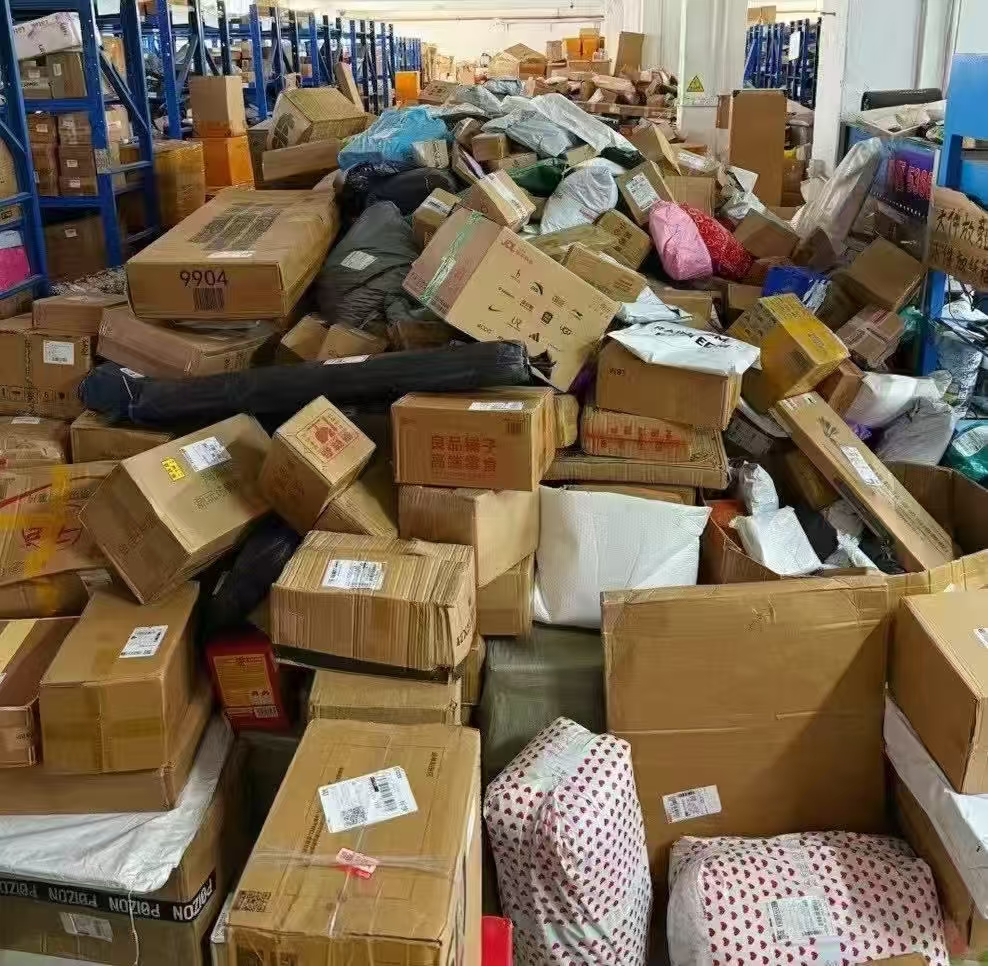
For textile shipments to Australia, you need to prepare a set of documents accurately. This includes a commercial invoice, which should clearly state the details of the goods, such as the value, quantity, and description. A packing list is also essential, listing the contents of each package. A certificate of origin is required to determine the tariff rate and qualify for any preferential trade agreements. Additionally, if the textiles contain certain chemicals, a chemical safety data sheet may be needed.
2. Compliance Tips
It's important to ensure all documents are filled out correctly and truthfully. Any discrepancies can lead to customs inspections and delays. Work with a professional customs broker or a knowledgeable shipping provider like Aofei International Logistics to ensure compliance with all the regulations. They can help you understand the specific requirements for your textile products and guide you through the documentation process.
VI. FAQ
1. What if my textile shipment fails the chemical residue test at Australian customs?
If your shipment fails the chemical residue test, it may be rejected, and you'll have to pay for the return shipping. In some cases, you may be able to have the textiles re - treated to meet the standards, but this will incur additional costs and time. It's best to conduct pre - shipment testing at a recognized laboratory to avoid such situations.
2. Can Aofei International Logistics handle sensitive textile products, such as those with dyes or special treatments?
Yes, Aofei International Logistics can handle various types of textiles, including sensitive products. They have a high clearance rate of over 98% for sensitive goods. Their experienced team is well - versed in the regulations regarding sensitive textiles and can provide guidance on proper documentation and compliance.
3. How can I track my textile shipment?
Most shipping providers, including Aofei International Logistics, offer real - time tracking services through their digital platforms. You'll be provided with a tracking number, which you can use on their website or app to monitor the progress of your shipment from the moment it leaves China until it arrives at your destination in Australia.
4. Are there any weight or size restrictions for textile shipments?
There may be some restrictions depending on the mode of transport and the shipping provider. For air freight, there are usually limits on the weight and size of individual packages. Sea freight generally has more flexibility, but very large shipments may require special arrangements. It's advisable to consult your shipping provider, such as Aofei International Logistics, in advance to ensure your shipment meets all the requirements.
5. What are the potential additional costs during the shipping process?
Additional costs may include customs duties, which are calculated based on the value and classification of the textiles. There may also be fees for storage if the shipment is held up at customs or a port. If your shipment requires special handling, such as extra packaging or fumigation, there will be corresponding charges. It's important to work with a shipping provider that offers transparent pricing to avoid any unexpected costs.
Shipping textiles to Australia in 2026 requires careful attention to policies, costs, and compliance. By choosing the right shipping provider and being well - prepared, you can ensure a smooth and successful shipping process. Remember, staying informed and proactive is the key to a hassle - free import experience.