


I. Introduction
As a seasoned player in the China - Australia cross - border logistics field, I often hear small business owners, importers, and e - commerce sellers in Australia fretting about how to accurately calculate freight costs. I remember back in 2024, a home goods seller from Sydney was totally in the dark about his shipping expenses, which ended up squeezing his profit margins. With the 2026 Australian ABF (Australian Border Force) new policies looming, understanding freight cost calculation has become even more crucial.
II. Factors Affecting Freight Costs
Distance and Route The distance between China and Australia is a significant factor. For example, shipping goods from Shanghai to Sydney is a different ballgame compared to sending them to Brisbane. The longer the route, the higher the fuel costs, port fees, and other associated expenses. In 2026, new shipping routes might be introduced or some existing ones adjusted due to policy changes, which could impact the overall distance and thus the cost.Weight and Volume Freight carriers usually calculate costs based on either the actual weight or the volumetric weight, whichever is higher. For instance, a shipment of large but lightweight furniture might be charged according to its volume. This is because it takes up more space on the vessel or in the plane. In my experience, many importers underestimate the volumetric weight, leading to unexpected cost hikes.
Shipping Method Air Freight: It's fast but expensive. Ideal for high - value, low - volume goods or urgent orders. For example, 3C electronics sellers might opt for air freight to quickly restock their Sydney stores. In 2026, the air freight market might see changes in fuel surcharges and airport - related fees due to new environmental policies.
Sea Freight: Cheaper but slower. Suitable for large - volume, non - urgent shipments. Home goods and apparel importers often rely on sea freight. There are different types of sea freight, such as Full Container Load (FCL) and Less than Container Load (LCL). FCL is more cost - effective for large shipments, while LCL is better for smaller quantities. However, in 2026, the ABF new policies might introduce stricter container inspection procedures, potentially increasing the costs and transit times for sea freight.
Customs Duties and Taxes Australian customs duties and taxes are based on the value of the goods, their HS (Harmonized System) codes, and origin. For example, some goods from specific regions in China might be subject to preferential tariffs under certain free - trade agreements. In 2026, the ABF is expected to update its customs valuation methods, which could affect the amount of duties and taxes you pay.
III. Calculation Methods (In - depth Section)
Air Freight Calculation Step 1: Determine the Chargeable Weight First, calculate the actual weight of the shipment. Then, calculate the volumetric weight using the formula: Volumetric weight (kg)=Length (cm)×Width (cm)×Height (cm)/6000 (this factor may vary by carrier). The chargeable weight is the higher of the two. For example, if you have a shipment of 3C electronics with an actual weight of 100 kg and a volumetric weight of 120 kg, the chargeable weight is 120 kg.Step 2: Check the Air Freight Rate Air freight rates are usually quoted per kilogram. You can get these rates from freight forwarders or airlines. Let's say the air freight rate from Shanghai to Melbourne is $5 per kg. If your chargeable weight is 120 kg, the basic air freight cost is 120×$5 = $600.
Step 3: Add Surcharges There are various surcharges in air freight, such as fuel surcharge, security surcharge, and airport handling charge. These surcharges can fluctuate. For example, if the fuel surcharge is 20% of the basic freight cost, the fuel surcharge for our shipment is $600×0.2 = $120. So the total air freight cost is $600 + $120 = $720 before customs duties and taxes.
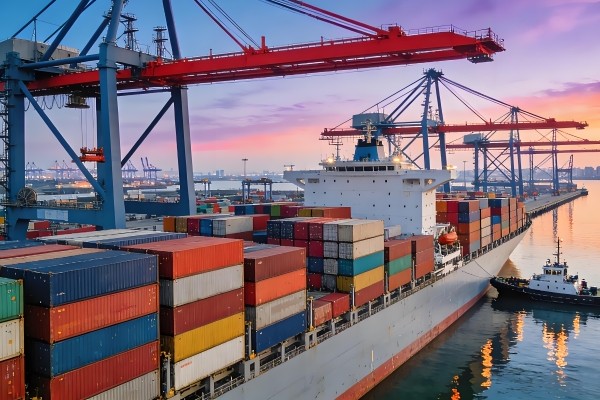
Sea Freight Calculation FCL (Full Container Load) If you're using FCL, the cost is mainly based on the container type (20 - foot or 40 - foot) and the shipping route. The cost per container can range from a few thousand dollars. For example, a 20 - foot container from Shenzhen to Port Botany might cost around $2500 in 2026. There are also additional costs like terminal handling fees, documentation fees, and bunker adjustment factor (BAF).
IV. Case Studies
Home Goods Seller in Sydney Specific Scenario: A home goods seller in Sydney imported a large quantity of sofas from a trade factory in China. The seller chose sea freight LCL due to the relatively low volume of each order.Problem Encountered: The seller didn't accurately calculate the volumetric weight of the sofas, resulting in a higher chargeable weight than expected. Also, new customs inspection procedures in 2026 caused a delay in clearing the goods, which led to additional storage fees at the port.
Final Outcome: After working with a professional freight forwarder, the seller learned how to accurately calculate the chargeable weight and prepared all the necessary documentation in advance. The total cost, including the unexpected storage fees, still ended up being within a reasonable range, and the seller could continue to operate profitably.
3C Electronics Seller in Melbourne Specific Scenario: A 3C electronics seller in Melbourne needed to restock a popular new smartphone model quickly. The seller opted for air freight.
Problem Encountered: The air freight rate increased significantly due to the peak season and new fuel surcharges in 2026. The seller was also not aware of the specific customs requirements for high - value electronics, which led to some minor delays at the Australian customs.
Final Outcome: By working closely with an experienced freight forwarder, the seller was able to find a more cost - effective air freight option and get the necessary customs documentation in order. The smartphones arrived in Melbourne just in time for the sales rush.
V. Tips for Cost - Effective Freight
Plan Ahead If you can plan your shipments well in advance, you can take advantage of lower - cost shipping options. For example, booking sea freight in advance can sometimes get you better rates. In 2026, with the new policies and potential capacity shortages, advance planning will be even more crucial.Consolidate Shipments If possible, consolidate multiple small shipments into one larger shipment. This can save on both air and sea freight costs. For LCL shipments, it can also reduce the per - unit handling fees.
Work with a Reliable Freight Forwarder A good freight forwarder, like [Aofei International Logistics], can help you navigate the complex world of cross - border logistics. They have in - depth knowledge of the 2026 ABF policies, can find the best shipping routes and rates, and assist with customs clearance. With over 12 years of experience in the China - Australia cross - border logistics field, [Aofei International Logistics] offers a full - service solution, including free package collection from various Chinese e - commerce platforms, free inventory storage for up to 365 days, and value - added services like unpacking and re - packaging. They also have a deep understanding of Australian customs requirements and can help ensure smooth shipments.
VI. FAQ
Q: How can I find out the HS code for my goods? A: The HS code classifies products for customs purposes. You can usually find the HS code on the product's packaging or by searching online databases. Many freight forwarders, like [Aofei International Logistics], also offer help in determining the correct HS code for your goods. This is important because the HS code affects the customs duties and taxes you'll pay.Q: Are there any hidden costs in cross - border logistics? A: There can be hidden costs, such as storage fees at ports during delays, unexpected customs inspection fees, or currency conversion fees. That's why it's crucial to work with a reliable freight forwarder. [Aofei International Logistics] is known for its transparent pricing and will clearly explain all the costs involved upfront.
Q: What should I do if my goods are delayed at customs? A: First, stay in touch with your freight forwarder. They can usually find out the reason for the delay and help you resolve the issue. It could be due to missing documentation, incorrect declaration, or new 2026 ABF inspection procedures. [Aofei International Logistics] has a professional team to handle customs - related issues and can expedite the clearance process as much as possible.
Q: Can I change my shipping method after I've booked? A: It depends on the situation. In some cases, you can change the shipping method, but there may be additional fees. For example, if you need to switch from sea freight to air freight due to an urgent order, you'll likely have to pay the difference in cost. It's best to discuss such changes with your freight forwarder as early as possible.
Q: How can I ensure the safety of my goods during transit? A: Choose a reputable freight forwarder that offers proper packaging and insurance options. [Aofei International Logistics] provides free waterproof reinforcement and offers insurance for your goods. They also have experience in handling different types of products, ensuring they're transported safely.