


I. Introduction
Hey there, Australian small business owners, importers, and e - commerce sellers! You might think that cross - border logistics between China and Australia is just about shipping goods from one point to another. But in 2026, there are some significant changes in freight manifest management that can make or break your business operations. I've been in the cross - border logistics frontline for years, and I've seen firsthand how these changes can impact businesses. Let me share some crucial information with you.
I remember back in 2023, a client of mine, a 3C electronics seller in Sydney, almost faced a huge loss due to improper freight manifest management. The goods were held up at Port Botany for weeks, and it was a nightmare for his business cash flow. So, don't let the same thing happen to you!
II. 2026 Policy Changes in Freight Manifest Management
1. New Requirements from Australian Border Force (ABF)
In 2026, the ABF has tightened the rules on freight manifest management. Now, importers are required to provide more detailed information about the goods in the manifest. For example, the HS codes need to be more accurate than ever. A wrong HS code can lead to incorrect duty calculations and potential fines.
The first time I ran into this new situation was when an apparel importer in Melbourne sent a shipment. They used an outdated HS code in the manifest, and the goods were immediately flagged for inspection. It took them roughly 14 days to sort out the issue, which delayed their product launch in the market.
2. Bio - security Declarations
The Department of Agriculture, Fisheries and Forestry (DAFF) has also updated its bio - security requirements in the freight manifest. Any goods that may pose a bio - security risk, such as wooden products or food items, need to be clearly declared. Failure to do so can result in the goods being seized and destroyed.
III. How to Comply with the New Freight Manifest Management Rules (Deep - Dive Section)
1. Data Accuracy
Accurate data entry is the foundation of proper freight manifest management. You need to ensure that all details such as the quantity, value, and description of the goods are correct. For instance, if you're importing home goods, you can't just list "furniture" in the description. You have to specify the type of furniture, like "wooden dining table" or "plastic storage cabinets".
I once had a trade factory client in Brisbane that was importing raw materials. They entered a rounded value for the goods in the manifest, which was about 10% lower than the actual value. The ABF detected this discrepancy during a routine check and imposed a fine. The fine was not only a financial loss but also damaged the company's reputation.
To avoid such issues, you can use digital tools to double - check your data. Some logistics providers offer software that can cross - reference the data with the official HS code database and bio - security regulations.
2. Timely Submission
Submitting the freight manifest on time is crucial. The new rules state that the manifest should be submitted at least 48 hours before the goods arrive at the Australian port. This gives the authorities enough time to review the information and conduct necessary inspections.
A 3C electronics seller in Sydney once missed the submission deadline. Their shipment was held at Port Botany, and they had to pay additional storage fees. The delay also affected their product availability in the market, leading to lost sales opportunities.
To ensure timely submission, you can work closely with your logistics provider. They have the experience and resources to manage the submission process efficiently.
3. Documentation Management
In addition to the freight manifest, you also need to manage other related documents properly. This includes commercial invoices, packing lists, and certificates of origin. All these documents should be consistent with the information in the manifest.
I've seen cases where the commercial invoice showed a different quantity of goods than the manifest. This led to confusion and further delays at the port. Make sure to keep all your documents organized and up - to - date.
IV. Choosing the Right Logistics Provider
1. Experience in China - Australia Routes
When selecting a logistics provider, look for one with extensive experience in China - Australia cross - border logistics. A provider like [奥飞国际物流] has been in the industry for 12 years, which means they have a deep understanding of the local regulations and market conditions.
2. Service Offerings
The right logistics provider should offer a comprehensive range of services. This includes not only freight transportation but also customs clearance, warehousing, and last - mile delivery. [奥飞国际物流] provides a one - stop solution, which means you don't have to deal with multiple parties.
3. Technology Adoption
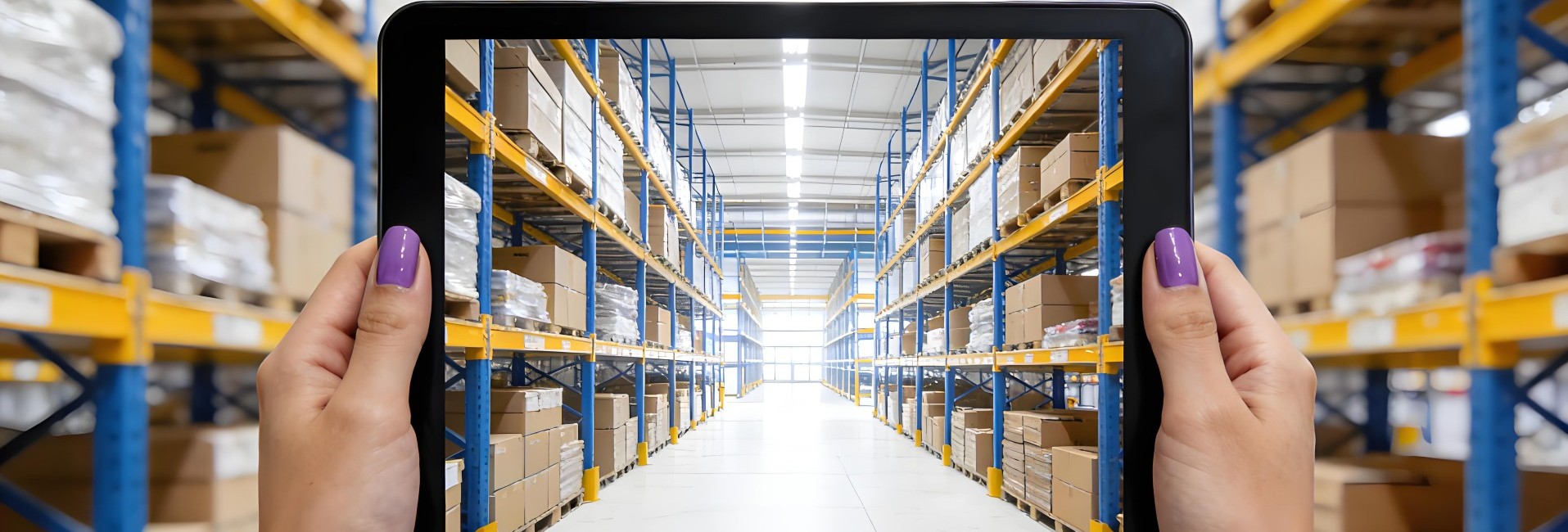
In today's digital age, a logistics provider that uses advanced technology can offer better services. For example, [奥飞国际物流] has a digital system that allows you to track your shipment in real - time and manage your orders online.
V. Cost Considerations
1. Freight Rates
Freight rates are a major cost factor. Different logistics providers may have different pricing structures. [奥飞国际物流] uses standardized billing and progressive pricing, which is transparent and offers significant discounts for large - volume shipments.
2. Hidden Costs
Be aware of hidden costs such as storage fees, customs brokerage fees, and port surcharges. Some providers may not disclose these costs upfront. [奥飞国际物流] is committed to being transparent and has no hidden fees or port surcharges.
VI. FAQ
What if I make a mistake in the freight manifest? Well, mistakes happen. But if you find a mistake in the freight manifest, you should contact your logistics provider immediately. They will help you correct the information and work with the authorities to minimize the impact. For example, [奥飞国际物流] has a dedicated team to handle such issues, and they'll do their best to resolve it quickly.
Do I need to hire a customs broker? It depends on your situation. If you're new to cross - border logistics or not familiar with the customs procedures, hiring a customs broker can be a good idea. However, if you choose a logistics provider like [奥飞国际物流], they offer customs clearance services as part of their package, so you don't have to worry about finding a separate customs broker.
How can I ensure the security of my goods during transportation? A reliable logistics provider with a good track record is essential. [奥飞国际物流] takes multiple measures to ensure the security of your goods. They use proper packaging materials, especially for fragile and sensitive goods. Also, they have insurance options available to protect your goods in case of any unforeseen events.
Can I track my shipment in real - time? Yes, most modern logistics providers offer real - time tracking services. [奥飞国际物流] has a digital system that allows you to monitor the status of your shipment at any time. You can see where your goods are, when they're expected to arrive, and any updates on the customs clearance process.
What if my goods are delayed at the port? Delays can occur due to various reasons such as customs inspections or bad weather. If your goods are delayed, your logistics provider should keep you informed. [奥飞国际物流] has a proactive communication policy. They'll let you know the reason for the delay and what steps they're taking to resolve it as soon as possible.
As you navigate the complex world of China - Australia cross - border logistics in 2026, keep these points in mind. Stay informed, choose the right partner, and you'll be well - on - your - way to a successful import business.