


Introduction
Hey there, Aussie small business owners, importers, and e - commerce sellers! In 2026, the landscape of freight pickup from China to Australia has seen some significant changes. I've been in the thick of the cross - border logistics game for years, dealing with the ins and outs of this particular route. I've witnessed countless businesses face issues and losses because they didn't have the right knowledge. So, let me share some insights to help you avoid those common pitfalls.
I. New Policy Updates in 2026
Australia's Department of Agriculture, Fisheries and Forestry (DAFF) and the Australian Border Force (ABF) have tightened their regulations this year. They're more focused on biosecurity and ensuring that all goods entering the country meet strict safety standards.
For instance, there are stricter rules regarding wooden packaging materials. If you're importing goods with wooden pallets or crates, they must be properly treated and labeled according to international standards. I had a client back in the first quarter of 2026 who imported a shipment of home goods. The wooden pallets they used were not compliant. As a result, the entire shipment was held up at Port Botany for almost two weeks, incurring additional storage fees and delaying the delivery to their customers.
Another policy change is related to the declaration of goods. The ABF requires more detailed and accurate information about the contents of the shipment. If the declared value or description of the goods is inaccurate, it can lead to penalties or even the seizure of the goods.
II. The Pitfalls and Solutions
1. Documentation Errors
Problem: Incomplete or incorrect documentation is a huge headache. This includes incorrect HS codes, inaccurate shipping labels, or missing certificates. For example, 3C electronics sellers need special certifications to prove that their products meet Australian safety standards. If these are missing, the Cargo may be detained at customs.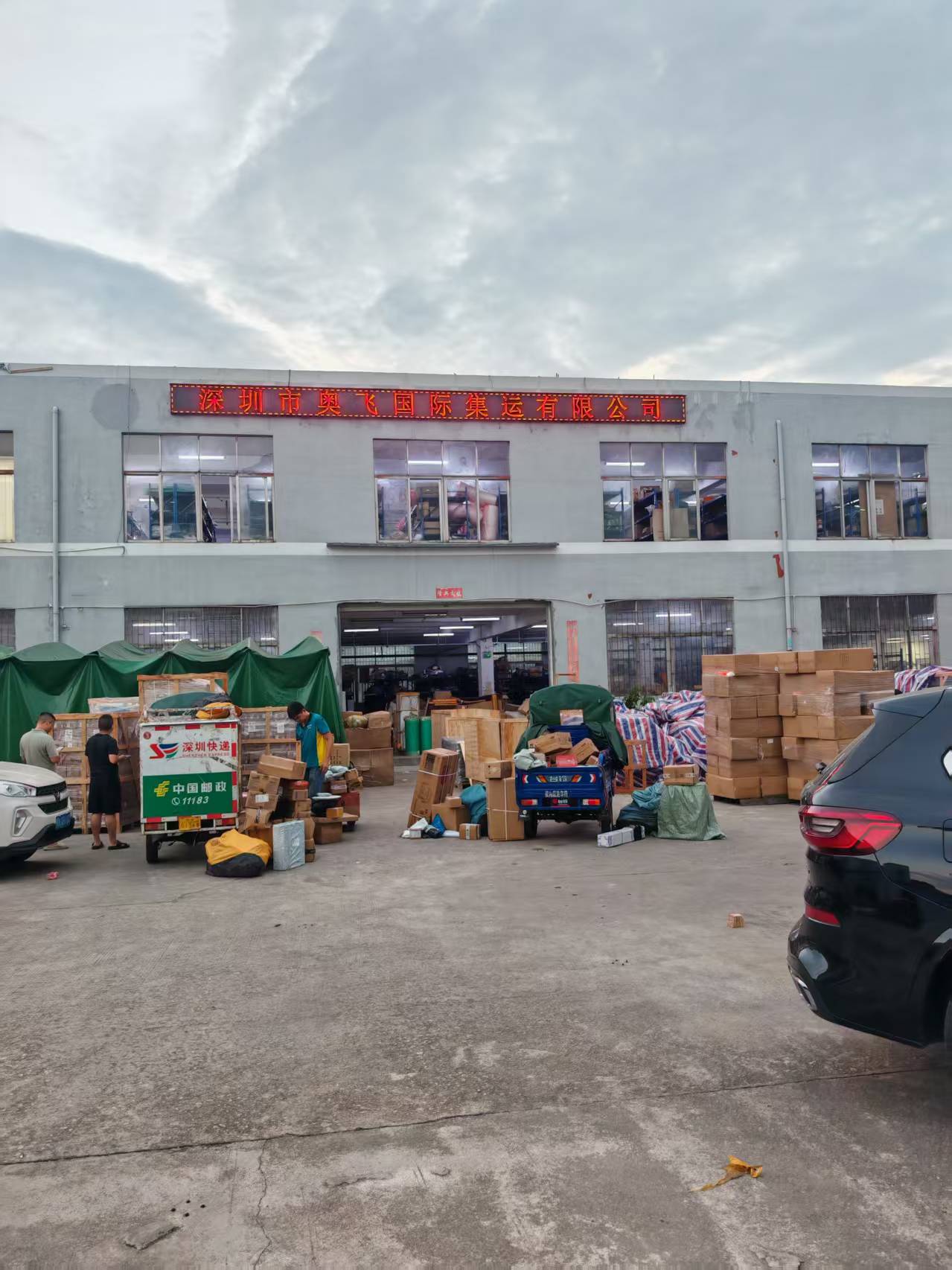
2. Biosecurity Risks
Problem: As mentioned earlier, biosecurity regulations are strict. Goods contaminated with pests, diseases, or non - compliant food products can cause big problems. I once had an apparel importer who included some handmade fabric accessories with natural fibers like straw. These fibers carried some pests, and the whole shipment was quarantined for treatment.Solution: Be aware of what you're importing. Research the biosecurity requirements for your products. You can consult with DAFF or use a logistics partner with a strong understanding of these rules. Aofei International Logistics has a team that inspects shipments for potential biosecurity risks and takes appropriate measures to ensure compliance.
3. Cost Overruns
Problem: Hidden costs can really hurt your bottom line. Some freight forwarders may charge additional fees for storage, handling, or customs clearance that aren't clearly stated upfront.Solution: Choose a logistics provider with transparent pricing. Aofei International Logistics uses a standardized and straightforward pricing model. They'll give you a detailed quote that includes all the possible costs, so you can plan your budget accurately.
4. Delivery Delays
Problem: Delays can disrupt your business operations. They can be caused by various factors such as bad weather, port congestion, or customs inspections. When I was handling a shipment for a home goods seller in Sydney, the ship was delayed due to a storm in the South China Sea, and then it faced congestion at Port Botany.Solution: Opt for a logistics company with contingency plans. Aofei International Logistics has a vast network and relationships with carriers. They can often find alternative shipping routes or carriers to minimize delays. Also, their digital system allows you to track your shipment in real - time, so you're always informed about the status.
III. How to Choose the Right Logistics Partner
Selecting the correct logistics partner is crucial. Here are some key points to consider:
1. Experience and Expertise
Look for a company with a long - standing presence in the China - Australia freight market. Aofei International Logistics has 12 years of experience in this specific route, with a deep understanding of both Chinese and Australian logistics and customs regulations.
2. Range of Services
A good logistics provider should offer a comprehensive range of services, from domestic pickup in China to final delivery in Australia. Aofei provides a one - stop solution that includes double - clearance and door - to - door delivery, saving you the hassle of dealing with multiple parties.
3. Reputation and Reviews
Check the company's reputation. You can look at online reviews or ask for referrals from other businesses. Aofei has a high customer satisfaction rate, with a 4.9/5 score on third - party platforms, and a customer repurchase rate of over 76%.
IV. FAQ
Q1: What if my shipment is rejected by Australian customs? A: If your goods are rejected, it could be due to various reasons like non - compliance with biosecurity or documentation issues. Aofei International Logistics has a professional team that will work with you to understand the problem and come up with a solution. In most cases, they can help you re - classify, re - document, or treat the goods to meet the requirements.
Q2: Can I track my shipment? A: Absolutely! Aofei has a state - of - the - art digital system that allows you to track your shipment in real - time. You can get updates on its location, estimated arrival time, and any customs - related status.
Q3: Are there any restrictions on the types of goods I can import? A: There are some restrictions. Some goods, like certain chemicals, pharmaceuticals, and live animals, require special permits. Also, goods with a high risk of biosecurity issues need to be carefully inspected. Aofei can guide you on whether your goods need any special permits or approvals.
Q4: How can I ensure the safety of my goods during transit? A: Aofei offers free waterproofing and reinforcement services for your goods. They also use high - quality packaging materials and proper handling procedures to minimize the risk of damage. In case of any loss or damage, they have a comprehensive after - sales compensation mechanism.
Q5: What if I have a large quantity of goods to import? A: Aofei has a large - volume shipment solution. They can arrange special shipping methods like dedicated containers or chartered flights for large - scale imports. They also offer preferential pricing for bulk shipments, which can help you save costs.
In conclusion, by being aware of the new policies, avoiding common pitfalls, and choosing the right logistics partner like Aofei International Logistics, you can ensure a smooth and successful freight pickup from China to Australia in 2026. Make sure to stay informed and plan ahead to make the most of your cross - border business.