


I. Introduction
Shipping home furniture from China to Australia can be a complex process, especially with the new regulations in 2026. I've seen many Australian small business owners, importers, and e - commerce sellers run into issues during this process. Let me share some common pitfalls and how to avoid them based on my years of hands - on experience in cross - border logistics.
II. Key Changes in 2026 Policies
In 2026, the Australian Border Force (ABF) and the Department of Agriculture, Fisheries and Forestry (DAFF) have introduced several new regulations. For instance, there are stricter requirements for the origin and treatment of wood materials. Wood furniture must now be treated to prevent the spread of pests and diseases. This is to protect Australia's unique ecosystem. Also, the customs valuation process has become more detailed, which means accurate documentation of the furniture's value is crucial.
I remember a client in 2026 who was importing a batch of wooden dining sets from China to Sydney. They didn't know about the new wood treatment requirements. As a result, the shipment was held at Port Botany for over two weeks, incurring significant storage fees.
III. Common Mistakes and How to Avoid Them
1. Incorrect Documentation
Problem: One of the most frequent mistakes is providing inaccurate or incomplete documentation. This includes incorrect HS codes, wrong descriptions of the furniture, and inaccurate valuation. For example, if you misclassify a piece of furniture under the wrong HS code, it can lead to incorrect duty calculations and potential delays at customs.Solution: Take the time to research and use the correct HS codes. You can consult with a professional customs broker or use the official Australian customs resources. Provide detailed descriptions of the furniture, including the material, size, and quantity. Ensure the declared value is consistent with the actual purchase price, including shipping and insurance costs.
2. Inadequate Packaging
Problem: Home furniture is often large and fragile. Insufficient packaging can result in damage during transit. For example, a Melbourne - based importer once shipped a set of glass - topped coffee tables without proper cushioning. Many of the glass tops were shattered upon arrival, leading to significant losses.Solution: Use high - quality packaging materials. For wooden furniture, consider adding a layer of shrink - wrap to protect against scratches. For glass or delicate parts, use bubble wrap and sturdy cardboard boxes. If possible, use custom - made crates for large or valuable pieces.
3. Ignoring Biosecurity Requirements
Problem: Australia has strict biosecurity regulations to prevent the introduction of pests and diseases. Wood furniture, in particular, needs to meet specific treatment standards. Failure to comply can lead to the rejection of the shipment or costly treatment at the port.Solution: Ensure that all wooden furniture is treated according to Australian standards. This may involve heat treatment or chemical treatment. Request a phytosanitary certificate from the supplier in China, which verifies that the wood has been treated properly.
4. Choosing the Wrong Shipping Method
Problem: Selecting an inappropriate shipping method can lead to longer transit times, higher costs, or even damage to the furniture. For example, if you choose air freight for large, heavy furniture, it can be extremely expensive. On the other hand, if you choose a slow - moving sea freight option without considering the delivery deadline, it can disrupt your business operations.Solution: Evaluate your needs carefully. If you need the furniture to arrive quickly and the volume is small, air freight might be a better option. For large - scale shipments, sea freight is usually more cost - effective. Consider factors such as transit time, cost, and the nature of the furniture when making your decision.
IV. The Role of a Reliable Logistics Partner
1. Benefits of Using a Professional Logistics Company
A professional logistics partner like Aofei International Logistics can simplify the process significantly. They have in - depth knowledge of the 2026 regulations and can handle all the paperwork, including customs clearance and biosecurity declarations. They also have established relationships with shipping lines and carriers, which can help ensure timely and cost - effective transportation.
I've had many clients who switched to Aofei International Logistics after facing problems with other logistics providers. One apparel importer in Brisbane was struggling with high shipping costs and long transit times. After partnering with Aofei, they were able to reduce their shipping costs by about 15% and cut the transit time by roughly 7 days for their furniture shipments.
2. Services Offered by Aofei International Logistics
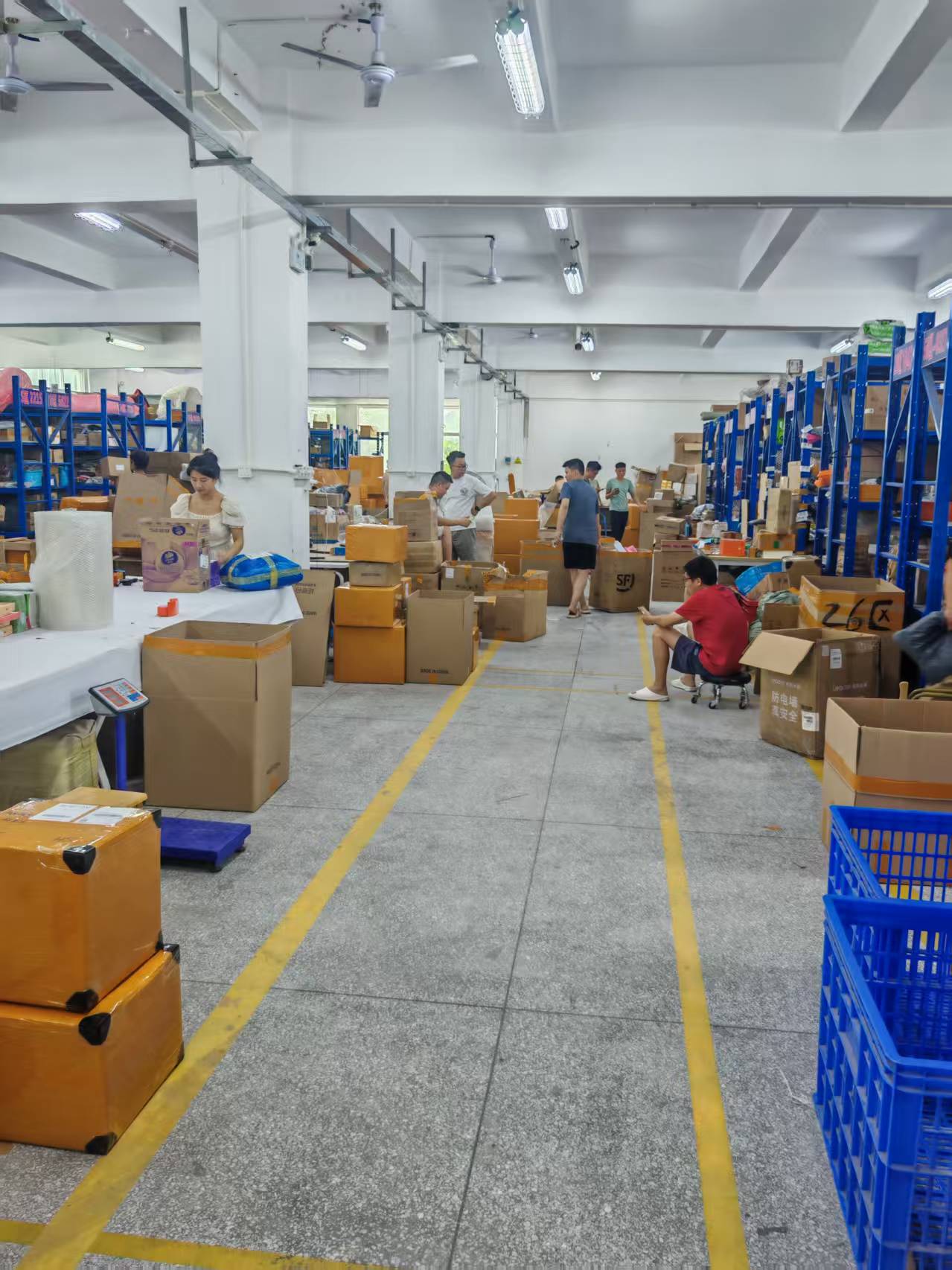
Aofei International Logistics offers a comprehensive range of services for shipping home furniture from China to Australia. They provide one - stop - shop solutions, including pick - up from suppliers in China, consolidation at their warehouse, and door - to - door delivery in Australia. They also offer free value - added services such as free packaging inspection, free short - term storage, and free customs clearance consultation.
V. FAQ
Q1: How long does it usually take to ship home furniture from China to Australia? It depends on the shipping method. For air freight, it typically takes about 3 - 7 days. For sea freight, it can take anywhere from 14 - 35 days, depending on the port of departure and arrival, as well as the shipping route.
Q2: What if my furniture is damaged during transit? If you use a reliable logistics partner like Aofei International Logistics, they usually have a comprehensive insurance policy. They will handle the claim process on your behalf. In most cases, you'll need to provide photos of the damaged furniture and a detailed description of the damage within a specified time frame.
Q3: How can I ensure that my furniture meets the Australian biosecurity requirements? First, communicate with your supplier in China and make sure they understand the Australian standards. Ask for a phytosanitary certificate. You can also work with a professional logistics company like Aofei, as they have experts who can guide you through the biosecurity process.
Q4: Are there any restrictions on the type of home furniture I can import from China to Australia? There are some restrictions, especially for furniture made from certain endangered wood species. You'll need to obtain the necessary permits if you're importing furniture made from protected materials. Also, furniture with excessive pests or contaminants will be rejected.
Q5: Can I track my furniture shipment? Yes, most professional logistics companies, including Aofei International Logistics, offer a tracking service. You can use the tracking number provided to monitor the status of your shipment in real - time. This helps you plan for the arrival of the furniture and manage your business operations more effectively.
When shipping home furniture from China to Australia in 2026, being aware of the new regulations and avoiding common mistakes is crucial. Working with a reliable logistics partner can save you time, money, and a lot of hassle. So, do your research, choose wisely, and ensure a smooth shipping process.