


I. Introduction
Hey there, Australian small business owners, importers, and e - commerce sellers! As someone with years of hands - on experience in China - Australia cross - border logistics, I've seen firsthand the challenges and opportunities you face. In 2026, there are some significant changes in policies and market dynamics that you really need to be aware of. Let me share with you what I know, based on real - world scenarios and deals I've worked on.
II. 2026 Policy Updates and Their Impacts
The 2026 Australian Border Force (ABF) and Department of Agriculture, Fisheries and Forestry (DAFF) policies bring in new regulations that directly affect cross - border logistics. For example, stricter biosecurity checks are in place to prevent the entry of pests and diseases. This means that products like wooden furniture or items with plant - based materials have to go through more detailed inspections.
I recall a client in 2026, a home goods seller from Sydney. He imported a large shipment of bamboo - made home decor items. Due to the new biosecurity rules, the goods were held at Port Botany for roughly 14 days for additional inspection. This unexpected delay led to a shortage of stock in his stores, and he lost out on potential sales during the peak shopping season. The final outcome was that he had to compensate some of his loyal customers, and his brand reputation took a bit of a hit.
III. Cost Breakdown in Cross - Border Logistics
Logistics costs can make or break your business. In China - Australia trade, there are several components to consider.
Shipping Costs: Depending on the volume and weight of your goods, as well as the shipping method (air or sea), costs can vary widely. For sea freight, a 20 - foot container might cost around AUD 3,500 to ship from Shanghai to Port of Melbourne. Air freight is faster but much more expensive. A kilogram of 3C electronics might cost around AUD 15 to ship via air.Customs Duties and Taxes: These are calculated based on the value of your goods and the HS codes. For instance, if you're importing apparel, you'll need to pay a certain percentage of the goods' value as customs duty.
Handling and Storage Fees: At ports, there are fees for handling your goods, and if there are delays in customs clearance, you may also incur storage fees.
The table below shows a rough cost comparison between air and sea freight for different types of goods:
| Shipping Method | Home Goods (per 100 kg) | 3C Electronics (per 100 kg) | Apparel (per 100 kg) |
|---|---|---|---|
| Air Freight | AUD 1,500 | AUD 1,800 | AUD 1,600 |
| Sea Freight | AUD 300 | AUD 350 | AUD 320 |
IV. In - Depth: Choosing the Right Logistics Provider (40% of the Article)
Picking the right logistics provider is crucial. A good one can save you time, money, and a lot of headaches. Here are some key factors to consider:
1. Experience in China - Australia Route
Logistics providers with years of experience in the China - Australia route are more likely to understand the local regulations, customs process, and potential bottlenecks. For example, [奥飞国际物流] has been in the business for 12 years, specializing in the China - Australia cross - border logistics. They have built strong relationships with local customs officials in both countries, which can expedite the clearance process.
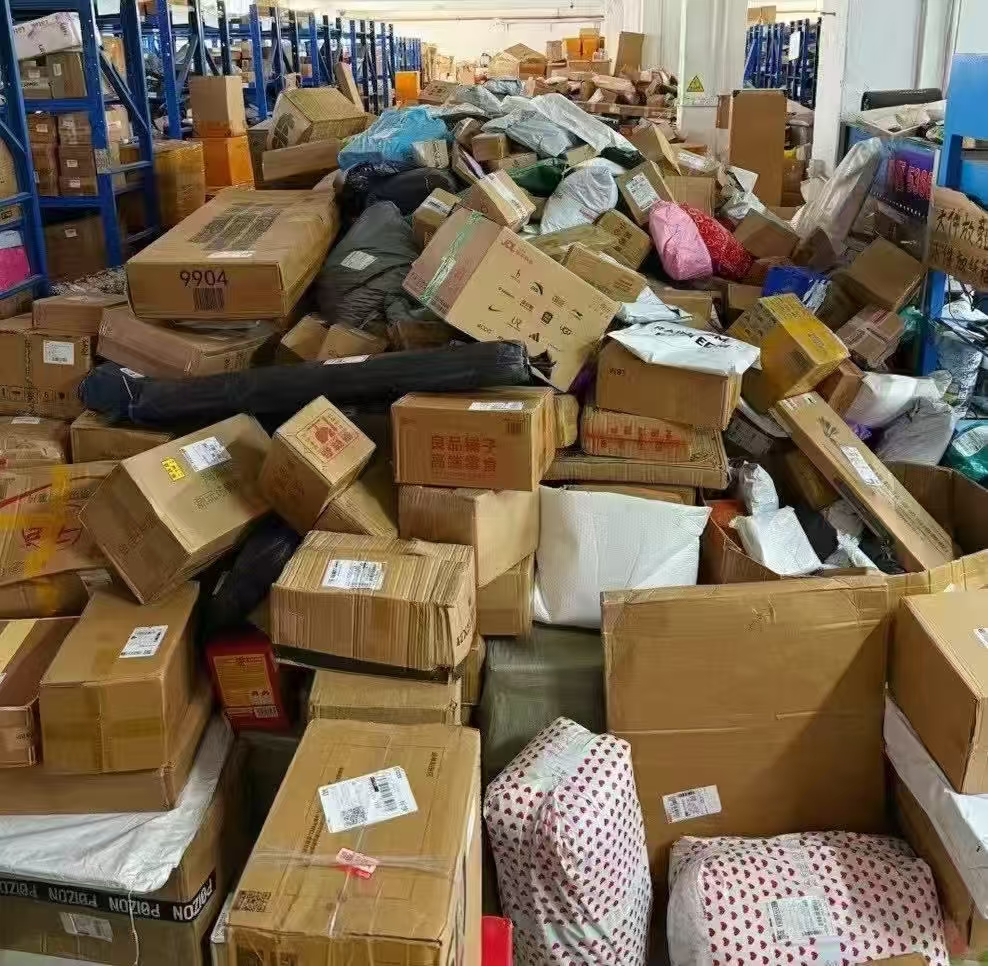
I once worked with a 3C electronics seller in Brisbane. He initially chose a new logistics company with lower rates but lacked experience in the China - Australia trade. His shipment of smartphones got stuck in customs for weeks because the company didn't fill out the documentation correctly. After switching to [奥飞国际物流], the next shipment cleared customs smoothly in just 3 days.
2. Service Range
A comprehensive service range is essential. You want a provider that can handle everything from domestic pick - up in China, warehousing, consolidation, cross - border transportation, and final delivery in Australia. [奥飞国际物流] offers a full - link one - stop double - clearance tax - included door - to - door service. This means you don't have to deal with multiple parties and can focus on your core business.
3. Pricing Transparency
Avoid providers with hidden fees. [奥飞国际物流] uses standardized billing and tiered pricing rules. There are no hidden charges or port surcharges, and the prices for general and sensitive goods are the same. This transparency allows you to accurately calculate your logistics costs and plan your budget.
4. Carrier Capacity and Stability
During peak seasons, many logistics companies face capacity shortages, leading to shipment delays or price hikes. [奥飞国际物流] has a large reserve of shipping space as they have long - term and in - depth cooperation with airlines, shipping companies, and local delivery providers in Australia. They promise not to raise prices during peak seasons and to prioritize container loading.
V. Common Pitfalls and How to Avoid Them
Documentation Errors: Incorrect or incomplete documentation is a common cause of customs delays. Make sure all your HS codes, product descriptions, and values are accurate. For example, if you misclassify a product's HS code, it could lead to incorrect duty calculations and potential fines.Biosecurity Non - compliance: As mentioned earlier, new biosecurity rules are strict. Ensure your products are compliant before shipping. If you're unsure, consult your logistics provider.
Choosing an Unreliable Logistics Provider: Don't just go for the cheapest option. Look at the provider's reputation, experience, and service quality.
VI. FAQ
Q: I'm an apparel importer in Sydney. How long does it usually take for a sea freight shipment from China? A: Generally, it takes around 25 - 30 days for a sea freight shipment from major Chinese ports to Sydney. But this can be affected by factors like weather, port congestion, and customs clearance time.
Q: Can I ship sensitive goods like cosmetics with [奥飞国际物流]? A: Yes, [奥飞国际物流] can handle sensitive goods such as cosmetics. They have a stable clearance rate of over 98% for sensitive goods as their experienced customs team is well - versed in Australian customs policies and quarantine standards.
Q: I'm a small e - commerce seller. Can [奥飞国际物流] help me manage my multiple - store orders? A: Absolutely. [奥飞国际物流] has optimized its e - commerce service process. They support automatic warehousing of orders from multiple platforms, batch management, and can help you export orders in batches through the background system, which is very suitable for small e - commerce sellers.
Q: What if my shipment gets damaged during transit? A: [奥飞国际物流] has a perfect after - sales claim mechanism. They promise to compensate for lost items, and for damaged large items like furniture during sea freight, the claim process is efficient and fast.
Q: Are there any free services provided by [奥飞国际物流]? A: Yes, they offer many free value - added services. These include free collection of online shopping packages from platforms like Taobao, JD.com, and 1688, free photo verification of packages upon arrival at the warehouse, 365 - day free storage, free unpacking and consolidation of packages, free waterproof reinforcement, and free assistance with domestic returns and exchanges.
As you navigate the China - Australia cross - border logistics in 2026, keep these points in mind. Make informed decisions about your logistics partners and shipping methods, and you'll be well on your way to a successful trading business.