


I. Introduction
Hey there, Australian small business owners, importers, and e - commerce sellers! In 2026, the China - Australia cross - border logistics landscape has seen some significant changes, especially with new policies from the Australian Border Force (ABF) and updates in biosecurity regulations. As someone with years of hands - on experience in this field, I've seen many e - commerce sellers stumble into common pitfalls. Let me share some insights to help you navigate this complex terrain smoothly.
II. Common Pitfalls in Cross - border Logistics
1. Ignoring New Biosecurity Regulations
The first time I ran into this, I had a client, a 3C electronics seller in Sydney, back in 2026. He imported a large batch of smartphones with some additional silicone cases. He didn't know that the new biosecurity regulations under the Department of Agriculture, Fisheries and Forestry (DAFF) had stricter requirements for rubber and silicone products. The shipment was held at Port Botany for nearly 14 days for additional checks. This delay not only disrupted his e - commerce operations but also led to extra storage fees.
Solution: Stay updated with DAFF's official announcements. Before shipping, consult with your logistics provider or a customs expert. They can help you understand which products might be affected and how to comply.
2. Inaccurate Customs Valuation
I've dealt with several apparel importers in Melbourne who underestimated the value of their shipments to save on duties. They thought it was a smart move, but it backfired. The ABF conducts regular checks, and when they found the inaccurate valuation, these importers faced hefty fines and their goods were held up. One importer had a shipment worth about A$3,400 held for over a week, causing a major setback to his new season launches.
Solution: Always provide accurate customs valuations. Use the correct HS codes for your products. Incoterms 2020 rules should be clearly defined in your contracts to avoid any confusion about who is responsible for what in terms of costs and risks.
3. Poor Packaging for Long - distance Shipping
A home goods seller in Brisbane once shipped a large order of glassware without proper packaging. The goods were damaged during transit, and since they didn't have comprehensive insurance, they had to bear the loss. The rough handling during long - haul shipping from China to Australia can take a toll on products, especially fragile ones.
Solution: Invest in high - quality packaging materials. For fragile items, use bubble wrap, foam inserts, and sturdy boxes. Consider purchasing shipping insurance to protect your goods against damage or loss.
III. The Importance of Choosing the Right Logistics Provider
1. Case of a Bad Logistics Partner
I had a client, an e - commerce seller of 3C electronics in Sydney, who chose a cheap and inexperienced logistics provider. The provider didn't have a good relationship with the shipping lines and often got their shipments delayed due to lack of available space. This client lost several customers because of late deliveries, and his business reputation took a hit.
2. Benefits of a Reliable Partner like Aofei International Logistics
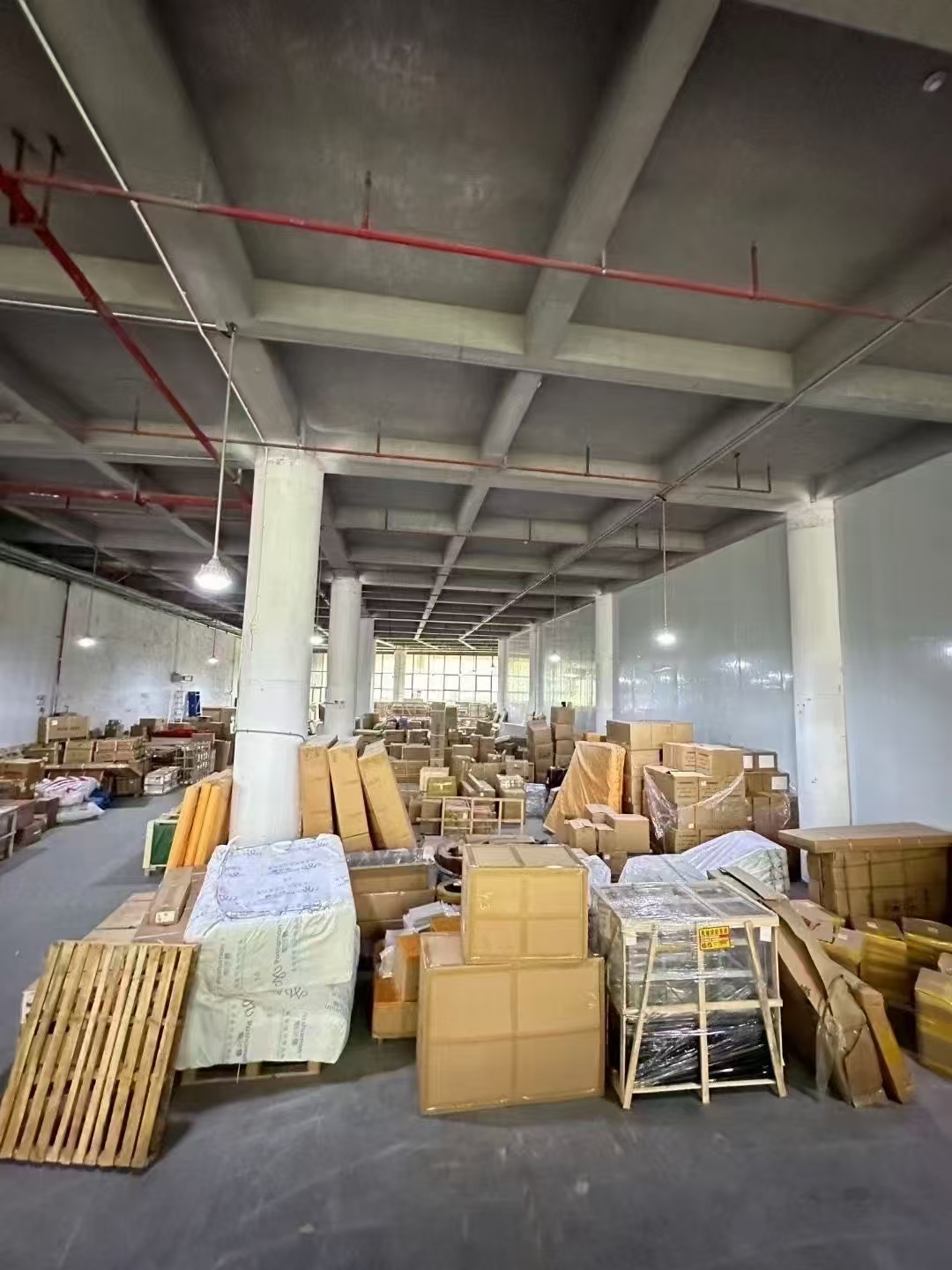
Aofei International Logistics has been in the China - Australia cross - border logistics business for 12 years. They have a strong network of shipping lines and can secure space for your shipments even during peak seasons. They offer a full - service, door - to - door solution that includes customs clearance, warehousing, and local delivery in Australia. Their digital system allows you to track your shipments in real - time, so you always know where your goods are.
IV. How to Prepare for Cross - border Shipments
1. Documentation
Ensure all your documents are in order. This includes commercial invoices, packing lists, certificates of origin, and any special permits required for your products. Missing or incorrect documentation is a common reason for shipment delays. For example, a simple mistake in the invoice can lead to hours or even days of waiting at the port.
2. Inventory Management
Plan your inventory well in advance. Consider factors like shipping times, customs clearance, and potential delays. Don't wait until your stock is almost out to place an order from China. This can lead to stock - outs and lost sales.
V. Pricing and Hidden Costs
1. Understanding Pricing Structures
Many sellers are attracted to low - cost shipping options without understanding the full pricing structure. Some logistics providers may offer a low base price but then add on hidden costs like fuel surcharges, handling fees, and customs brokerage fees. Make sure you get a detailed quote that includes all possible costs.
2. Case of Hidden Costs
An apparel importer in Melbourne once chose a logistics provider based on their low advertised price. But when the shipment arrived, he was shocked to find out about the high fuel surcharge and additional handling fees. The total cost ended up being much higher than he expected, eating into his profit margins.
VI. FAQ
Q1: How can I make sure my products comply with the new biosecurity regulations? A: It's best to start by checking the official DAFF website for the latest regulations. You can also work with a logistics provider like Aofei International Logistics. They have a team of experts who can help you understand the requirements and ensure your products are compliant.
Q2: What should I do if my shipment is delayed at customs? A: First, stay calm. Contact your logistics provider immediately. They can usually find out the reason for the delay and work on resolving it. If it's a documentation issue, they can help you provide the correct information as quickly as possible.
Q3: Is it worth it to pay for shipping insurance? A: Absolutely! Shipping insurance can protect you from significant losses in case of damage or loss of your goods during transit. It's a small price to pay considering the value of your shipments.
Q4: How can I choose the right logistics provider? A: Look for a provider with experience in the China - Australia route. Check their reputation, customer reviews, and compliance history. A provider like Aofei International Logistics, with 12 years of experience, strong industry connections, and a wide range of services, is a reliable choice.
Q5: Can I reduce the shipping costs without compromising on service quality? A: Yes, you can. Compare quotes from different providers. Look for volume discounts if you're shipping a large quantity. Also, work with a provider that offers a transparent pricing structure to avoid hidden costs.
In conclusion, by being aware of these common pitfalls and taking the right precautions, you can ensure a smooth and cost - effective cross - border logistics experience in 2026. Remember, preparation is key, and choosing the right logistics partner can make all the difference.