


I. Introduction
Are you an Australian small business owner or an importer looking to ship personal items from China to Australia in 2026? You're likely no stranger to the various challenges and uncertainties in cross - border logistics. I've been in the cross - border logistics business for quite some time, and I've seen countless cases where people faced difficulties due to a lack of knowledge. For instance, I had a client back in 2024 who was importing home goods from China. He didn't know about the new biosecurity regulations at that time, and his shipment got stuck at Port Botany for weeks. So, today, I'll share some essential insights to help you navigate the China - Australia personal shipping process smoothly.
II. 2026 Policy Updates and Their Impact
The Australian Border Force (ABF) and the Department of Agriculture, Fisheries and Forestry (DAFF) have introduced several new policies in 2026. These mainly focus on biosecurity and customs valuation.
Biosecurity Regulations The DAFF has tightened its biosecurity inspection procedures. Any items made from natural materials such as wood, leather, or feathers must be carefully inspected. For example, if you're shipping wooden furniture, it needs to be treated to prevent pests and diseases from entering Australia. Untreated wooden items can be seized and destroyed. This update means you'll need to obtain the necessary certificates and ensure your items comply with the new biosecurity standards before shipping.Customs Valuation Changes The ABF has updated its customs valuation methods. When declaring the value of your items, it's now more important than ever to be accurate. Under - declaring values can lead to hefty fines. For instance, if you're shipping 3C electronics, you need to provide detailed invoices to support the declared value.
III. Choosing the Right Shipping Channel (Deep - Dive Section, 40% of Content)
There are various shipping channels for personal items from China to Australia, each with its own advantages and limitations.
Air Freight Advantages: Air freight is the fastest option. It typically takes about 3 - 7 days for your items to reach Australia, depending on the flight schedules and customs clearance. This is ideal for small, high - value items like 3C electronics. For example, if you're a small business owner selling the latest smartwatches, air freight can ensure you restock your inventory quickly.Limitations: The cost is significantly higher compared to sea freight. Also, there are restrictions on the weight and size of the items you can ship via air. Airlines usually limit the weight per piece to around 100kg, and the dimensions must fit within the cargo hold.
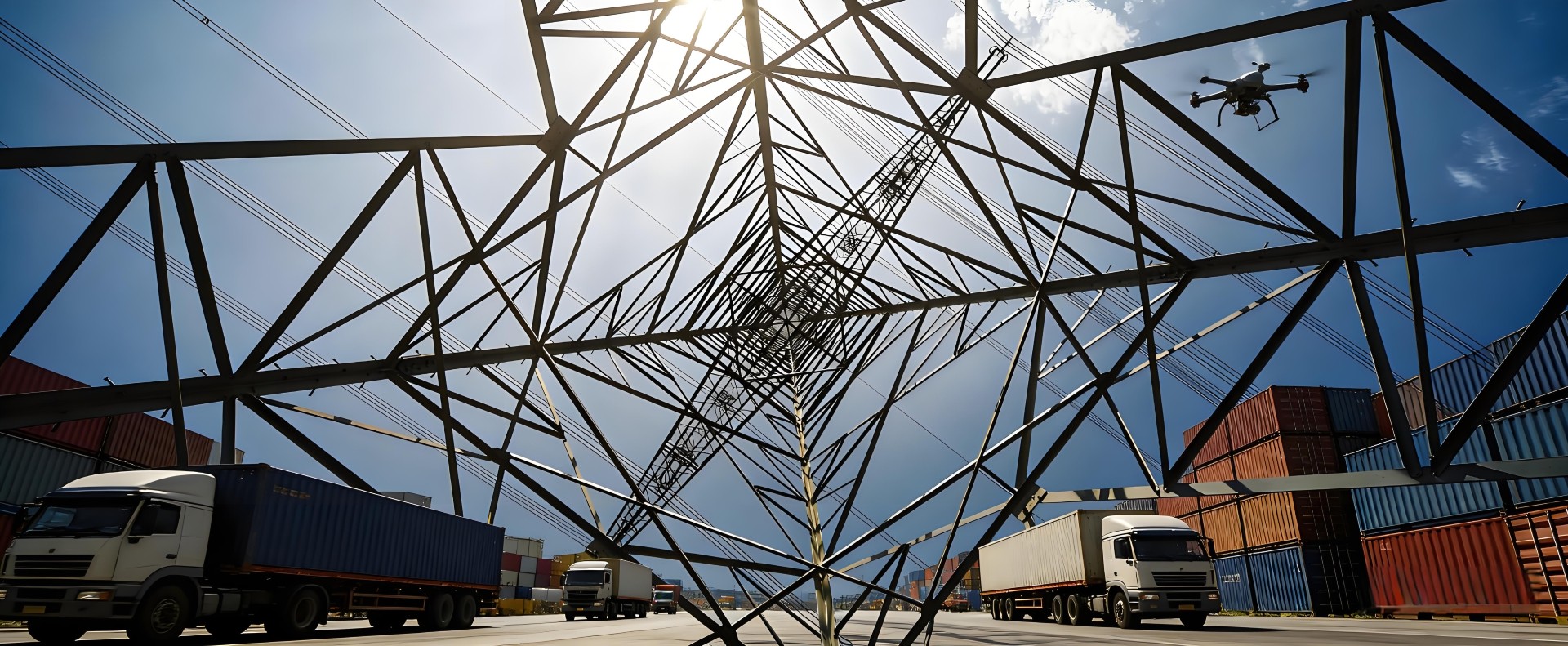
Sea Freight Advantages: Sea freight is more cost - effective, especially for large - volume shipments. If you're an apparel importer looking to ship a large batch of clothing from China, sea freight can save you a substantial amount of money. It also has fewer restrictions on the size and weight of the items. You can ship oversized items like furniture without much hassle.
Limitations: The transit time is much longer, usually around 14 - 35 days. Delays can occur due to bad weather, port congestion, or mechanical issues with the ship. For example, during the peak shipping season, Port of Melbourne can get extremely busy, and your shipment might be delayed.
Express Shipping Advantages: Express shipping services like DHL, FedEx, and UPS offer door - to - door delivery and relatively fast transit times, usually 3 - 5 days. They also handle customs clearance for you, which is very convenient. If you need your items urgently, express shipping is a good choice.
Limitations: It is the most expensive option. Also, there are limitations on the types of goods that can be shipped, and the customs clearance process might be more strict for certain items.
Let's take a real - life example of a home goods seller in Sydney. They needed to restock their inventory of decorative items. They initially considered air freight due to the urgency. However, after calculating the cost, they realized that it would be too expensive for the large volume of items. So, they decided to use sea freight. They planned ahead and placed the order well in advance to account for the longer transit time. As a result, they were able to save a significant amount of money while still getting their inventory in time for the upcoming sales season.
IV. Documentation Requirements
Proper documentation is crucial for a smooth shipping process.
Commercial Invoice This document should include a detailed description of the items, the quantity, the unit price, and the total value. It's used by the customs authorities to determine the customs duties and taxes.Packing List The packing list provides information about the packaging of the items, including the number of boxes, the dimensions, and the weight. It helps the customs officers to verify the contents of the shipment.
Bill of Lading (for sea freight) or Airway Bill (for air freight) These are the contracts of carriage between the shipper and the carrier. They contain information about the shipment, the origin, the destination, and the parties involved.
V. Cost Breakdown
| The cost of shipping personal items from China to Australia consists of several components. | Cost Component | Description |
|---|---|---|
| Freight Charge | This is the basic charge for transporting your items. It depends on the shipping channel, the weight, and the volume of the shipment. | |
| Customs Duties and Taxes | These are levied by the Australian government based on the value and nature of the items. You can use the ABF's online calculator to estimate these costs. | |
| Handling Fees | Charged by the shipping agents or the customs brokers for processing your shipment. |
VI. FAQ
What if my shipment is stuck at customs? Well, if your shipment is held at customs, it could be due to various reasons like incomplete documentation or non - compliance with regulations. You should contact your customs broker or shipping agent immediately. They can help you resolve the issue by providing the necessary information or making corrections to the documentation. At [奥飞国际物流], we have a professional team that can assist you in such situations to minimize the delay.Can I ship sensitive items like cosmetics and liquids? Yes, you can, but you need to ensure they comply with the regulations. For instance, cosmetics should not contain any prohibited ingredients. At [奥飞国际物流], we have a lot of experience in shipping sensitive items. We can help you with the compliance process and ensure a smooth shipment.
How can I track my shipment? Most carriers provide online tracking services. You'll be given a tracking number once your shipment is dispatched. You can use this number to check the status of your shipment on the carrier's website. Also, [奥飞国际物流] has a digital system that allows you to track your shipment in real - time and provides you with updates at each stage.
What if my items are damaged during transit? If your items are damaged, you should first take photos of the damage as evidence. Then, contact your shipping agent or carrier immediately to file a claim. At [奥飞国际物流], we have a完善的售后理赔机制. We'll handle your claim promptly and ensure you get compensated fairly.
In 2026, shipping personal items from China to Australia requires careful planning and knowledge of the new policies and procedures. By choosing the right shipping channel, preparing the proper documentation, and being aware of the costs involved, you can ensure a smooth and successful shipping experience. Always stay updated with the latest regulations to avoid any potential issues.