


I. Introduction
In 2026, China-Australia international parcel consolidation has become a popular choice among Australian small business owners, importers, and e-commerce sellers. However, it's fraught with potential pitfalls. I've seen many clients face unexpected problems. Once, a home goods seller in Sydney was hit with huge costs and long delays due to improper parcel consolidation. So, let's uncover what to avoid in this process.
II. Common Mistakes in International Parcel Consolidation
Incorrect Understanding of Incoterms Incoterms define the responsibilities of buyers and sellers in international trade. In 2026, due to the new regulations, the delineation of responsibilities has become more complex. For example, some clients wrongly assume that when using DDP (Delivered Duty Paid), they don't need to worry about anything. But in fact, they still need to provide accurate product information. A 3C electronics seller in Melbourne once used DDP, but didn't provide detailed product specifications. This led to additional customs inspections and a delay of roughly 14 days.Most DDP shipments should ensure the accuracy of HS codes (Harmonized System codes). Incorrect HS codes can lead to wrong tax calculations and potential fines.
Neglecting Australian Biosecurity Regulations The Department of Agriculture, Fisheries and Forestry (DAFF) has strict biosecurity regulations. In 2026, the inspection has been tightened. Goods containing wood, food, or animal products need special attention. For instance, an apparel importer sent some garments with wooden hangers to Brisbane. These hangers weren't properly treated, which triggered a biosecurity alert. The shipment was held for inspection for about a week, and the importer had to pay for the treatment of the hangers.
It's crucial to provide detailed information about the contents of the parcel to avoid biosecurity issues.
Inadequate Packaging and Labeling Parcels need to be well - packed to withstand long - distance transportation. In one case, a trade factory in Sydney sent some fragile goods. The packaging wasn't sturdy enough, and many items were damaged during transit.
Clear and accurate labeling is also essential. Labels should include the recipient's details, product information, and any special handling instructions. Incorrect or unclear labels can lead to misdelivery or additional handling fees.
III. Cost - related Pitfalls
Hidden Fees Some less - scrupulous logistics providers may charge hidden fees. These can include storage fees, handling fees, or port surcharges. I once had a client who was shocked to find that the final cost was much higher than the initial quote due to these hidden fees. It's important to get a detailed quote and understand all the possible charges upfront.Ineffective Cost Control Not all consolidation options are cost - effective. For example, if you choose a service that consolidates too many small parcels, it may take longer, and the cost - saving may not be significant. A home goods seller in Melbourne was trying to save costs by using a low - cost consolidation service. However, the delivery time was extended by almost three weeks, which affected their sales.
IV. Choosing the Wrong Logistics Provider
Lack of Industry Experience In 2026, with the new policies and regulations, it's vital to choose a logistics provider with experience in China - Australia parcel consolidation. A logistics provider without a good understanding of the Australian customs and biosecurity regulations may cause delays and additional costs. I've seen new logistics companies misinterpret the new regulations, resulting in their clients' shipments being held at the port.Poor Service Quality Some logistics providers have poor service quality, including slow response times, inaccurate tracking information, and unreliable delivery. An e - commerce seller in Sydney once used a logistics provider that couldn't provide real - time tracking. This made it difficult for the seller to keep their customers informed about the shipment status.
V. FAQ
Q: How can I ensure my parcels comply with Australian biosecurity regulations? A: You need to provide detailed information about the contents of your parcels. If you're sending goods that may be affected by biosecurity regulations, such as wood, food, or animal products, it's best to consult a professional logistics provider. They can guide you on the proper treatment and documentation. For example, at [奥飞国际物流], we have a team of experts who are well - versed in these regulations and can help you ensure compliance.Q: What should I do if I suspect hidden fees from a logistics provider? A: First, ask the provider for a detailed breakdown of the charges. Make sure you get this breakdown in writing. If you still have doubts, you can compare their quote with other well - established logistics providers. At [奥飞国际物流], we have a transparent pricing system with no hidden fees or port surcharges.
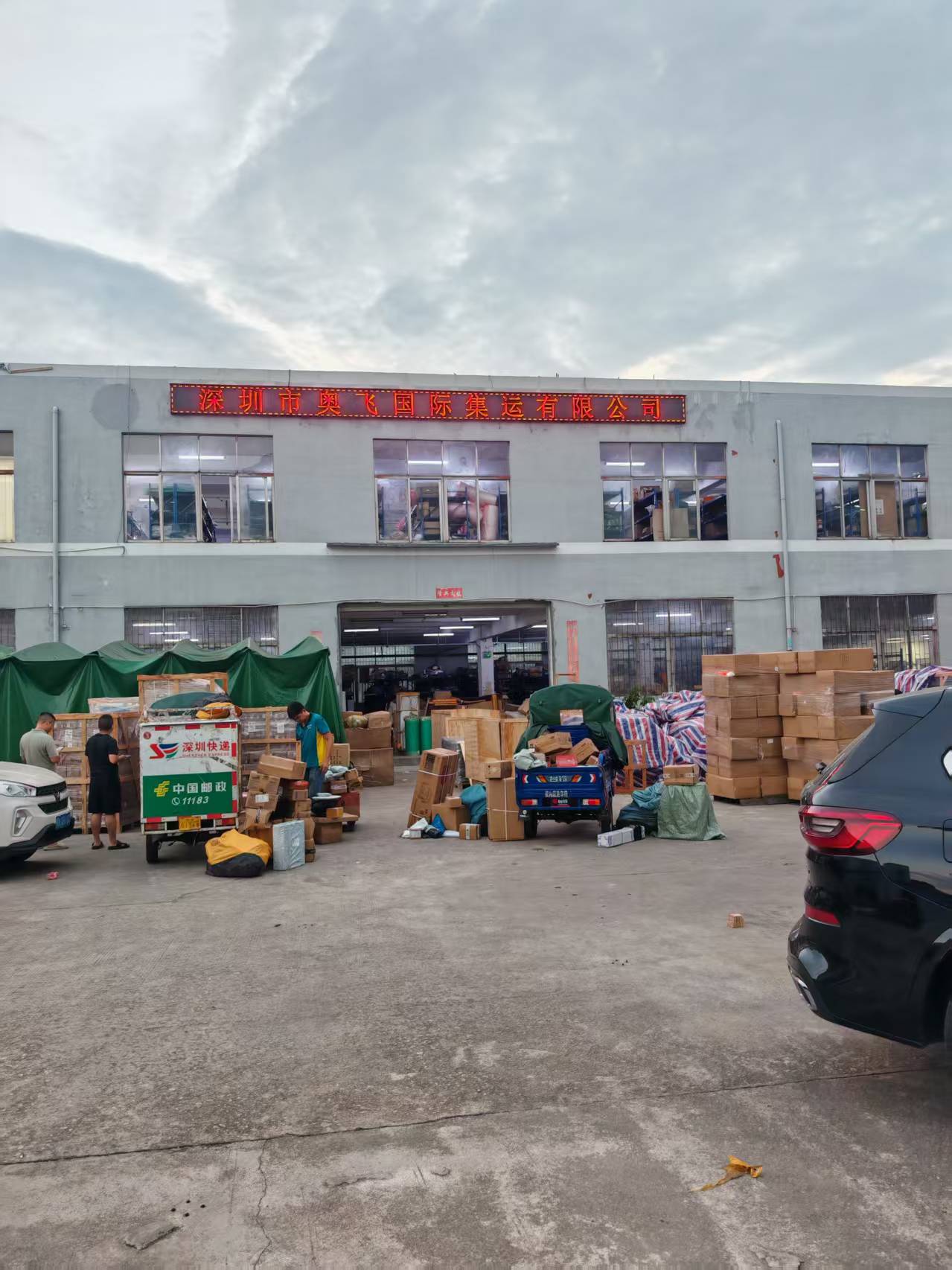
Q: How do I choose the right logistics provider for my international parcel consolidation? A: Look for a provider with experience in the China - Australia route. Check their track record in terms of delivery time, compliance with regulations, and customer service. You can also read reviews from other clients. [奥飞国际物流] has 12 years of experience in the China - Australia parcel consolidation, and we have a high customer satisfaction rate.
Q: Can I use any Incoterm for my international parcel consolidation? A: You need to choose the Incoterm that suits your business needs and responsibilities. For example, if you want the logistics provider to handle most of the work, DDP may be a good choice. But remember, no matter which Incoterm you choose, you still have the obligation to provide accurate product information.
In 2026, navigating the China - Australia international parcel consolidation successfully requires careful planning, understanding of regulations, and choosing the right partners. By avoiding the common pitfalls mentioned above, you can ensure a smooth and cost - effective shipping process.