


一、Introduction
Hey there, Australian small business owners, importers, and e - commerce sellers! You might be wondering about the cost of sending luggage from China to Australia in 2026. Well, you're in the right place. As someone with years of hands - on experience in the cross - border logistics industry between China and Australia, I've seen it all.
I remember back in 2024, I had a client who was an apparel importer in Melbourne. He wanted to send a large shipment of summer clothing from China. At that time, he underestimated the costs and didn't understand the different factors involved. He ended up paying more than he expected due to some hidden fees and an inefficient shipping method. From this experience, I realized that many of you may face similar issues, so I'm here to share some insights.
二、Factors Affecting the Cost
Weight and Volume The weight and volume of your luggage are the most basic factors determining the shipping cost. Carriers usually use the chargeable weight, which is calculated based on either the actual weight or the volumetric weight, whichever is higher. For example, if you have a large but lightweight box of home goods, the volumetric weight might be used. Typically, for air freight, the volumetric weight formula is length(cm) x width(cm) x height(cm) / 6000. For sea freight, it's often length(cm) x width(cm) x height(cm) / 5000.
Shipping Method
Air Freight: It's fast, usually taking roughly 3 - 7 days. But it's also more expensive. In 2026, due to new fuel surcharges and increased demand, the cost per kilogram for air freight can range from $10 - $25, depending on the carrier and the specific route.Sea Freight: It's a more cost - effective option for large shipments. However, it's slower, with a transit time of about 14 - 28 days. The cost for sea freight is usually calculated per cubic meter. In 2026, it can cost around $300 - $800 per cubic meter, again depending on various factors like the port of departure and arrival, and the shipping season.
Shipping Route and Port The route you choose and the ports involved also impact the cost. For instance, shipping from Shanghai to Port Botany in Sydney might have a different cost compared to shipping from Shenzhen to the Port of Melbourne. Some ports may have higher handling fees or congestion surcharges.
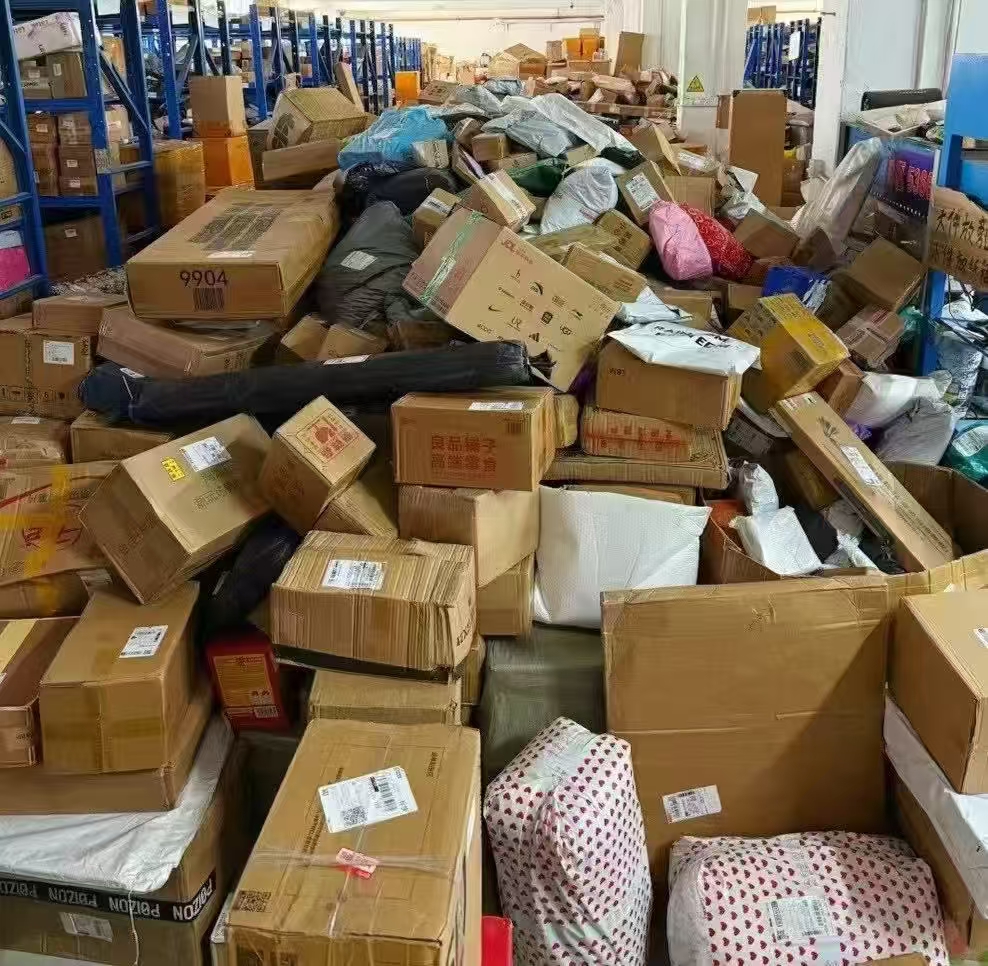
Customs Duties and Taxes In 2026, the Australian Border Force (ABF) has some new policies regarding customs duties and taxes. You need to pay attention to the Harmonized System (HS) codes of your goods. Different products have different tax rates. For example, electronics may have a different duty rate compared to clothing. It's crucial to have accurate information about your goods to calculate these costs correctly.
三、Case Studies (Deep - Dive Section, 40% of the Article)
Case 1: Home Goods Seller in Brisbane
Specific Scenario: A home goods seller in Brisbane wanted to import a large batch of furniture from China. The shipment consisted of 10 cubic meters of wooden furniture, with an actual weight of 1200 kilograms.Problem Encountered: The seller initially planned to use air freight because he was in a hurry. However, after getting quotes, he realized it would cost him around $12000 (based on an average air freight rate of $10 per kilogram). This was far beyond his budget. He also didn't have a clear understanding of the customs duties, which could potentially add a significant amount to the cost.
Final Outcome: After consulting with us, we recommended sea freight. The sea freight cost for this shipment was around $5000 (at a rate of $500 per cubic meter). We also helped him with the customs declaration. By correctly classifying the furniture with the appropriate HS codes, we were able to minimize the customs duties. In the end, he saved a substantial amount of money and got his goods within a reasonable time frame.
Case 2: 3C Electronics Seller in Sydney
Specific Scenario: An electronics seller in Sydney needed to import a small batch of smartphones from China. The shipment weighed about 500 kilograms.Problem Encountered: When choosing the shipping method, the seller was torn between air and sea freight. He was worried about the long transit time of sea freight affecting his sales, but he also didn't want to pay the high cost of air freight.
Final Outcome: We analyzed his situation. Since he had a small - scale but urgent shipment, we suggested a premium air freight service. It cost him around $7500 (at a rate of $15 per kilogram). Although it was more expensive than sea freight, the smartphones arrived in Sydney within 4 days. This allowed him to restock his inventory quickly and meet the market demand.
四、How to Reduce Shipping Costs
Consolidate Shipments If possible, consolidate multiple small shipments into one large shipment. This can help you get better rates, especially for sea freight. For example, if you have several small orders from different suppliers in China, you can ask them to send the goods to a consolidation warehouse first.Choose the Right Shipping Time Shipping during off - peak seasons can save you money. For sea freight, the peak season is usually from September to November. If you can plan your shipments outside of this period, you may get lower rates.
Use a Reliable Logistics Provider A professional logistics provider like [奥飞国际物流] can help you optimize the shipping process. They have expertise in customs clearance, route planning, and shipping method selection. [奥飞国际物流] has been in the industry for 12 years, specializing in the China - Australia route. They offer a full - service solution, including free storage for up to 365 days, free packing consolidation, and accurate customs declaration guidance.
五、FAQ
Q: Can I ship sensitive goods like electronics and cosmetics from China to Australia? A: Yes, you can. But you need to ensure that they comply with the Australian customs regulations. For example, electronics need to meet the safety standards, and cosmetics may need to be tested for certain chemicals. [奥飞国际物流] has a high - clearance rate for sensitive goods, reaching over 98% in 2026, as their expert team is well - aware of the relevant regulations.
Q: How long does it usually take to clear customs in Australia? A: It varies. Generally, it takes 1 - 3 working days if all the documents are in order. However, in some cases, especially if there are random inspections, it may take longer. For example, if the goods are suspected of having pests or other quarantine issues, they may be held for further inspection by the Department of Agriculture, Fisheries and Forestry (DAFF).
Q: Are there any hidden fees when shipping from China to Australia? A: There can be. Some carriers may charge fuel surcharges, port congestion fees, or handling fees. That's why it's important to choose a reliable logistics provider with transparent pricing. [奥飞国际物流] uses a standardized pricing system and clearly lists all the fees, so you don't have to worry about hidden costs.
Q: What should I do if my goods are damaged during shipping? A: First, take photos of the damaged goods immediately. Then, contact your logistics provider. [奥飞国际物流] has a comprehensive after - sales service. They offer a damage compensation policy, especially for large - scale damaged items like furniture. Claims are usually processed efficiently, ensuring you get the compensation in a timely manner.
Q: Can I track my shipment in real - time? A: Yes. Most modern logistics providers, including [奥飞国际物流], offer real - time tracking services. You can easily check the status of your shipment on their official website or through their app. This way, you can stay updated on where your goods are and when they will arrive.
In conclusion, when planning to send luggage from China to Australia in 2026, make sure you understand all the cost - related factors. By taking the right steps and choosing a reliable logistics partner, you can not only control the costs but also ensure a smooth shipping process.