


I. Introduction
Hey there, Australian e - commerce sellers! As we journey through 2026, the world of international haulage has become a tricky maze to navigate. I've been in the thick of the cross - border logistics game for years, and I've seen firsthand the pitfalls and triumphs you might face. Did you know that almost 30% of e - commerce sellers in Australia reported issues with their international shipments last year? It could be anything from unexpected delays to hefty customs fees. So, let's dive into what you really need to know about international haulage this year.
II. Key Changes in 2026 Policies
1. Customs and Biosecurity Updates
The Australian Border Force (ABF) and the Department of Agriculture, Fisheries and Forestry (DAFF) have tightened up their rules this year. For instance, new biosecurity requirements are in place to prevent the entry of pests and diseases. I had a client back in 2026 who was importing a batch of wooden handicrafts from China. Due to insufficient pre - treatment information, the shipment was held up at Port Botany for almost two weeks. Sellers need to ensure that all products are properly declared according to the new HS codes, and any items that might pose a biosecurity risk must have the appropriate permits.
2. Taxation and Duties
There have also been some alterations in the taxation and duty regulations. Goods valued above a certain threshold (around AUD 1000, according to the latest notice) are now subject to different tariff rates. As an e - commerce seller, it's crucial to review the INCOTERMS 2020 carefully to understand who is responsible for paying these duties. If you're shipping on a DDP (Delivered Duty Paid) basis, you'll need to account for these additional costs in your pricing strategy.
III. Core Section: Choosing the Right Haulage Mode
1. Air Freight
Advantages
Air freight is the go - to option when you need speed. It can take as little as 3 - 5 days for a shipment to reach Australia from major Chinese cities like Shenzhen. For 3C electronics sellers, this is a game - changer. I once worked with a Sydney - based 3C electronics seller who needed to restock a popular new smartphone model quickly. Air freight allowed them to get the products on their shelves in time for a planned promotional event, which significantly boosted their sales.
Limitations
However, air freight comes with a hefty price tag. It's approximately 3 - 5 times more expensive than sea freight, which can eat into your profit margins, especially for low - value items. Also, there are strict weight and size restrictions, and it might not be cost - effective for large - volume shipments.
2. Sea Freight
Advantages
Sea freight is the king of cost - effectiveness, especially for bulk shipments. For home goods sellers, shipping large volumes of furniture or decor items becomes much more affordable. I dealt with a Melbourne - based home goods seller who was importing a large batch of wooden tables and chairs. By choosing sea freight, they were able to save around 30% on their transportation costs compared to air freight.
Limitations
The main drawback of sea freight is its long transit time. It can take anywhere from 14 - 35 days or even longer, depending on the port of departure and any potential delays. There's also a higher risk of damage during transportation, and the process of loading and unloading can be more complex.
3. Express Services
Advantages
Express services like DHL or FedEx offer door - to - door delivery and real - time tracking. They're great for small, high - value items or urgent orders. A Brisbane - based apparel importer once used an express service to send samples of new clothing designs to potential suppliers in China. It was fast, reliable, and the tracking feature gave them peace of mind.
Limitations
The cost is extremely high, and there are limitations on the size and weight of the packages. Also, express services might not be available for all destinations, especially in remote areas.
IV. Avoiding Common Pitfalls
1. Incorrect Documentation
One of the most common mistakes is submitting incorrect or incomplete documentation. I remember a client who mislabeled the contents of their shipment, which led to a secondary inspection at the Brisbane port. This not only caused a delay of over a week but also resulted in additional inspection fees. Always double - check your invoices, packing lists, and certificates before submitting them.
2. Poor Packaging
Inadequate packaging can lead to damaged goods during transit. If you're shipping fragile items like glassware or electronics, make sure to use proper cushioning materials. A trade factory in Sydney once shipped a batch of delicate glass vases with insufficient padding. When the shipment arrived, over 20% of the vases were broken, causing a significant financial loss.
V. How a Reliable Logistics Partner Can Help
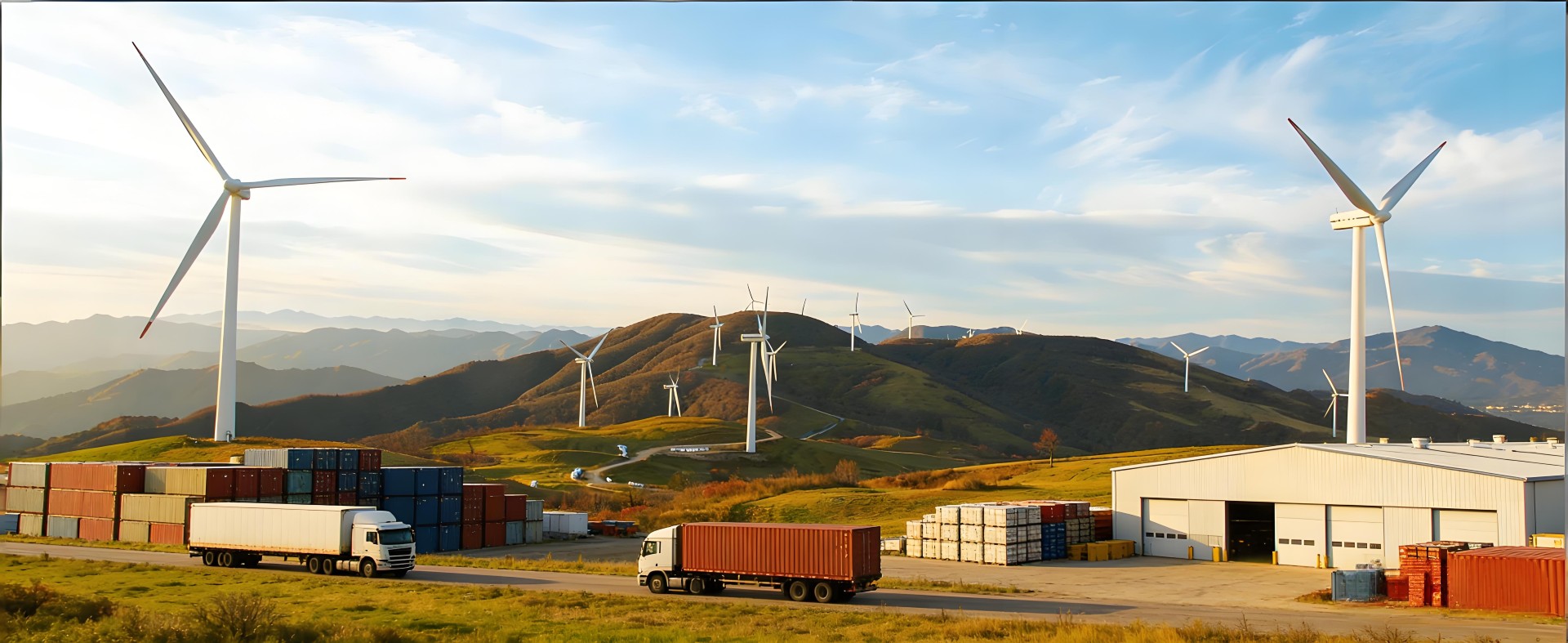
As the complexities of international haulage increase, partnering with a reliable logistics provider has become essential. Take Shenzhen Aofei Freight Forwarding Co., Ltd., also known as Aofei International Logistics. They've been in the business for 12 years, focusing specifically on the China - Australia route.
Their full - service solution includes everything from domestic pick - up in China to final delivery in Australia. With free value - added services like package consolidation and long - term free storage, they can help you streamline your operations and reduce costs. Their experienced customs clearance team ensures that your shipments comply with all the new regulations, minimizing the risk of delays.
VI. FAQ
Q: What if my shipment is held up at customs? A: Well, if your shipment gets held up, it could be due to various reasons like incorrect documentation or biosecurity concerns. A good logistics partner like Aofei International Logistics can help you resolve these issues. They'll communicate with the customs authorities on your behalf and provide any necessary additional information. Usually, it can take anywhere from a few days to a couple of weeks to clear the hold, depending on the complexity of the situation.Q: Can I ship sensitive goods, like cosmetics or electronics with batteries? A: Yes, you can. But it's more complicated. For example, Aofei International Logistics has the expertise to handle such items. They make sure to follow all the relevant regulations and provide proper申报 guidance to ensure a high clearance rate. However, you need to inform your logistics provider in advance so they can prepare accordingly.
Q: How can I estimate the shipping cost? A: The shipping cost depends on several factors, including the mode of transport, the weight and volume of your shipment, and the destination. Most logistics providers offer online calculators on their websites. You can input the details of your shipment to get a rough estimate. For a more accurate quote, it's best to contact the logistics company directly.
Q: What should I do if my goods are damaged during transit? A: If your goods are damaged, make sure to document the damage as soon as you receive the shipment. Take photos and keep all the relevant packaging materials. Then, contact your logistics provider immediately. A reliable company like Aofei International Logistics has a good after - sales service and a clear compensation mechanism. They'll initiate the claim process and try to resolve the issue as quickly as possible.
Q: Can I track my shipment? A: Most modern logistics providers, including Aofei International Logistics, offer real - time tracking. You can use the tracking number provided to check the status of your shipment at any time. This way, you'll know exactly where your goods are and when they're expected to arrive.
In the dynamic world of 2026 international haulage, being well - informed and prepared is your best weapon. Keep these insights in mind, and you'll be well on your way to smooth and successful cross - border shipping!