


Introduction
In 2026, the cross - border supply chain between China and Australia is experiencing significant policy changes and market fluctuations. Australian e - commerce sellers are facing both new opportunities and challenges. As someone with first - hand experience in cross - border logistics operations between the two countries, I've seen many sellers stumble, and I want to share some crucial insights to help you navigate this complex landscape.
I. The New Policy Landscape in 2026
The Australian Border Force (ABF) has rolled out several new regulations in 2026 to enhance security and streamline trade. One major change is in the area of biosecurity. The Department of Agriculture, Fisheries and Forestry (DAFF) has tightened restrictions on the import of certain goods, including food products, plant materials, and animal products. These items need to meet stricter quarantine and inspection requirements.
I remember a client in 2026, an apparel importer based in Melbourne. They tried to bring in some cotton - made clothing that was dyed with natural plant - based dyes. Since the dyes were considered plant materials, they faced unexpected delays at Port of Melbourne. Due to a lack of proper documentation and required pre - inspections, their shipment was held up for roughly 14 days. This kind of scenario can cost e - commerce sellers a lot in terms of lost sales and storage fees.
Another policy impact is on tariffs. There have been some adjustments in the tariff schedules, which means sellers need to re - evaluate their cost structures. For example, some 3C electronics that used to have a lower tariff rate now face a higher one, which directly affects the profit margins.
II. Key Elements of the Cross - border Supply Chain
1. Shipping Options
There are mainly two types of shipping: air and sea. Air freight is faster, usually taking about 3 - 7 days, but it's also more expensive, with an average cost of around $5 - $10 per kilogram. It's suitable for high - value, low - volume products or products with urgent delivery needs. Sea freight, on the other hand, is slower, taking roughly 20 - 35 days, but it's much more cost - effective, with costs ranging from $0.5 - $2 per kilogram. It's a better option for large - volume, less time - sensitive goods.
For instance, a home goods seller in Sydney who deals with large - sized furniture often chooses sea freight. They once shipped a container of wooden furniture from China to Port Botany. The sea freight option saved them a significant amount on shipping costs, and although the delivery time was longer, they were able to plan their inventory well in advance.
2. Customs Clearance
Customs clearance is a critical part of the cross - border supply chain. Sellers need to ensure they have accurate Harmonized System (HS) codes for their products. Incorrect HS codes can lead to delays, fines, or even the seizure of goods. Moreover, in 2026, with the new ABF requirements, detailed invoices, packing lists, and certificates of origin are more important than ever.
I had a 3C electronics seller client who didn't double - check the HS codes for their new smartwatches. When the shipment arrived at Port of Melbourne, it was flagged for further inspection. The delay not only disrupted their sales schedule but also incurred additional storage and inspection fees. To avoid such issues, it's advisable to work with a professional customs broker or a well - experienced cross - border logistics provider like Aofei International Logistics, which has in - depth knowledge of Australian customs policies and can handle the clearance process smoothly.
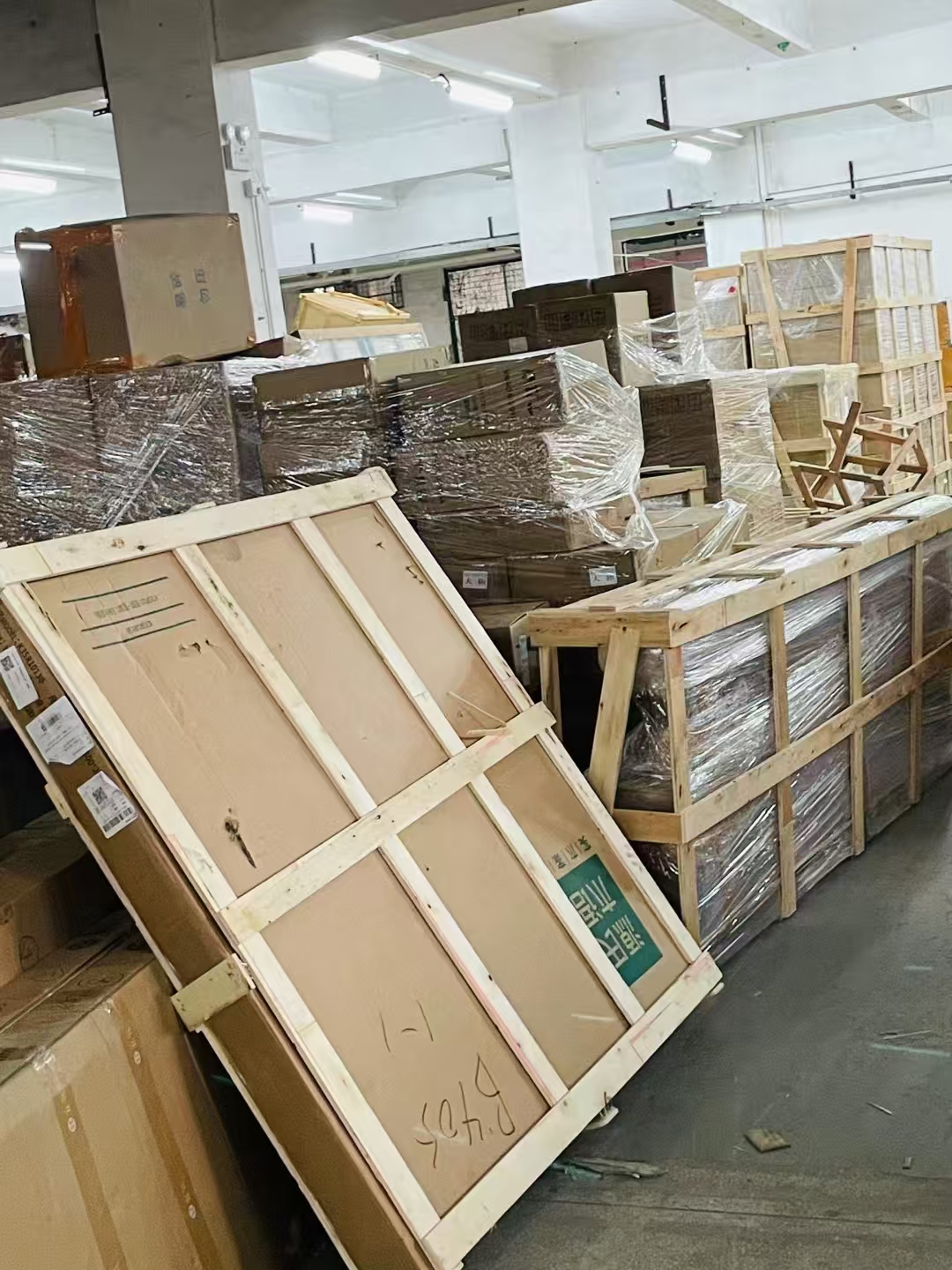
3. Last - mile Delivery
Last - mile delivery is what directly impacts your customers' satisfaction. In Australia, there are different delivery carriers, each with its own service area and delivery speed. It's important to choose a reliable carrier that can provide timely and accurate delivery, especially for e - commerce orders.
Some areas in regional Australia may face challenges in terms of delivery coverage and speed. For example, a customer in a remote area near Brisbane may experience longer delivery times. Therefore, as sellers, you need to communicate clearly with your customers about the expected delivery time and choose the right logistics partner who has a wide delivery network, like Aofei International Logistics, which can ensure efficient last - mile delivery across most of Australia.
III. Choosing the Right Logistics Partner (Deep - Dive Section)
This is perhaps the most crucial decision for e - commerce sellers. A reliable logistics partner can make or break your cross - border supply chain. Here are some factors to consider when choosing a partner:
1. Industry Experience
Look for a company that has been in the cross - border logistics business for a long time, especially in the China - Australia route. Aofei International Logistics, for example, has 12 years of experience in this specific field. They have developed strong relationships with airlines, shipping lines, and Australian customs, which allows them to handle various situations effectively.
I once worked with an e - commerce seller who initially chose a new and less - experienced logistics provider. They faced numerous problems, including mislabeled shipments, long customs clearance times, and inaccurate delivery estimates. After switching to Aofei International Logistics, their supply chain became much more stable.
2. Service Range
A comprehensive service range is essential. You want a partner that can offer everything from warehousing, packing, shipping, customs clearance to last - mile delivery. Aofei International Logistics offers a full - service, one - stop - solution, including free collection of packages from various Chinese e - commerce platforms, free storage for up to 365 days, and free repackaging. This saves sellers a lot of time and effort in managing different parts of the supply chain.
3. Cost - effectiveness
While cost is important, don't just go for the cheapest option. Some low - cost providers may cut corners on service quality, which can lead to hidden costs in the long run. Aofei International Logistics uses a standardized and transparent pricing system. There are no hidden fees or port surcharges, and they offer competitive rates based on the volume and type of goods.
4. Compliance and Security
With the new 2026 regulations, compliance is non - negotiable. A trustworthy logistics partner should have a deep understanding of Australian customs and biosecurity policies. Aofei International Logistics' experienced customs team can ensure that all your shipments comply with the latest regulations, reducing the risk of delays and penalties.
IV. Common Pitfalls and How to Avoid Them
1. Incomplete Documentation
As mentioned before, incorrect or incomplete documentation can lead to customs issues. Always double - check your invoices, packing lists, and certificates of origin. Work with a logistics partner who can assist you in preparing the right documents.
2. Underestimating Shipping Times
If you rely on air freight for quick delivery, be aware of potential flight delays due to weather or other factors. For sea freight, take into account the longer transit times and plan your inventory accordingly.
3. Ignoring Biosecurity Rules
Given the new strict biosecurity regulations, it's crucial to understand which goods are restricted and what requirements they need to meet. Don't assume that just because a product was okay to import before, it will be the same in 2026.
V. FAQ
Q1: How long does it usually take to clear customs in Australia in 2026? A: It varies depending on the type of goods and the complexity of the shipment. Generally, for normal goods with proper documentation, it can take 1 - 3 business days. However, if there are issues with the documentation or if the goods are subject to additional inspections, it could take much longer. I've seen cases where it took up to 2 weeks.
Q2: Can I use Aofei International Logistics for both small and large shipments? A: Absolutely. Aofei International Logistics has a wide range of shipping options that can accommodate both small - volume and large - volume shipments. Whether you're a small e - commerce seller or a large importer, they can provide customized solutions according to your needs.
Q3: What if my goods are damaged during shipping? A: Aofei International Logistics has a comprehensive after - sales service. They offer insurance for your goods during transit. In case of damage, they have a well - established claims process and will handle the issue efficiently to ensure you get the compensation you deserve.
Q4: How can I stay updated on the latest Australian customs regulations? A: It's a good idea to follow official sources like the Australian Border Force (ABF) and the Department of Agriculture, Fisheries and Forestry (DAFF) websites. Also, working with a professional logistics provider like Aofei International Logistics can help, as they keep a close eye on policy changes and can advise you accordingly.
Q5: Are there any restrictions on importing cosmetics from China to Australia in 2026? A: Yes, there are. Cosmetics need to meet certain safety and labeling requirements. They may also be subject to biosecurity inspections. Aofei International Logistics can help you understand the specific requirements and ensure that your cosmetic shipments comply with the regulations to avoid any issues at customs.
In 2026, the cross - border supply chain between China and Australia is full of challenges, but with the right knowledge and a reliable logistics partner, Australian e - commerce sellers can thrive in this market. Keep these tips in mind and make informed decisions to ensure the success of your business.