


I. Introduction
As an experienced practitioner in China-Australia cross - border logistics, I've seen many e - commerce sellers in Australia facing the headache of cargo loss. In 2026, with the continuous development of cross - border e - commerce and the implementation of new policies, understanding cargo loss protection has become crucial for Australian e - commerce sellers. I remember a client back in 2024, an apparel importer from Sydney. He had a large shipment lost during transit, and the financial loss almost put his small business at risk. This is just one of many similar cases, highlighting the importance of cargo loss protection.
II. The Current Situation and New Policies of Cargo Loss Protection in 2026
The Current Landscape In recent years, the volume of China - Australia cross - border e - commerce has been increasing steadily. However, cargo loss remains a significant problem. According to industry reports, the average cargo loss rate in cross - border logistics between China and Australia is around 2 - 3%. This may seem like a small percentage, but for e - commerce sellers, it can lead to substantial financial losses.2026 Policy Updates The Australian Border Force (ABF) and relevant Chinese authorities have introduced new policies to strengthen cargo security. For example, stricter inspection procedures are in place to prevent illegal goods and ensure the safety of legitimate shipments. These policies also have an impact on cargo loss protection. Sellers need to be aware that these new inspection procedures may cause some delays, but they are ultimately aimed at reducing the overall risk of cargo loss.
III. Key Factors Affecting Cargo Loss Protection
Choice of Logistics Service Provider The choice of logistics service provider is crucial. A reliable provider like [奥飞国际物流] has a better track record in cargo loss protection. They have established long - term relationships with shipping companies, airlines, and local delivery partners in both China and Australia. For instance, [奥飞国际物流] has a risk management system in place to monitor the entire transportation process. In contrast, some less - reputable providers may cut corners, which can increase the risk of cargo loss.Type of Cargo Different types of cargo have different levels of risk. For example, 3C electronics are more susceptible to damage or theft due to their high value and portability. Sellers of 3C electronics need to ensure that proper packaging and insurance are in place. On the other hand, home goods, such as furniture, may be more likely to get damaged during handling and transportation. Sellers should choose a logistics provider that offers suitable handling and packing solutions for different types of cargo.
Transportation Mode The choice of transportation mode also affects cargo loss protection. Air freight is generally faster and more secure, but it is also more expensive. Sea freight, on the other hand, is more cost - effective but has a higher risk of delays and damage. E - commerce sellers need to balance the cost and risk based on the nature of their goods and customer expectations.
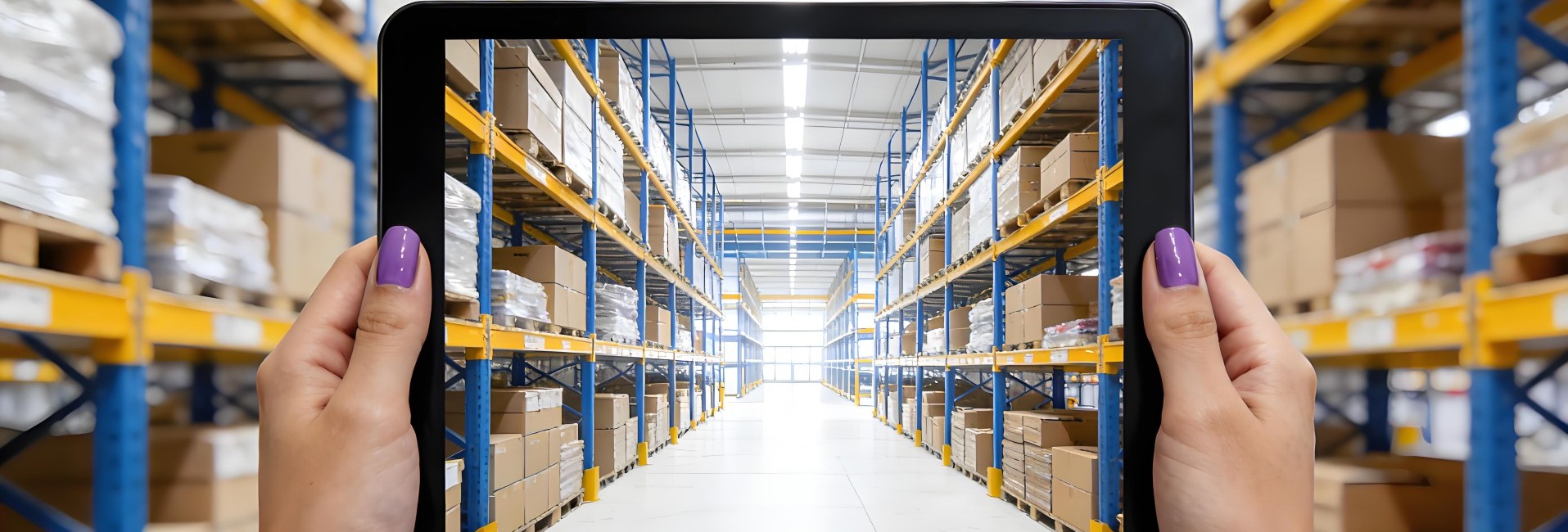
IV. How to Protect Cargo from Loss
Select a Reliable Logistics Partner As mentioned earlier, [奥飞国际物流] is a great choice. With over 12 years of experience in the China - Australia cross - border logistics track, they have a professional team that is well - versed in customs clearance and transportation procedures. They offer a full - service package that includes domestic collection, warehousing management, package integration, cross - border transportation, Australian customs clearance, and full - country delivery.Proper Packaging Proper packaging is essential to prevent damage and loss during transportation. For fragile items, such as glassware or electronics, use shock - absorbing materials and sturdy boxes. Logistics providers like [奥飞国际物流] offer free packaging services, including waterproof reinforcement and custom - made packaging for large and irregular goods.
Purchase Insurance Insurance is an important part of cargo loss protection. Sellers should purchase comprehensive cargo insurance to cover potential losses during transportation. [奥飞国际物流] can help sellers arrange suitable insurance policies based on the value and nature of the goods.
V. Case Study: A Successful Cargo Loss Protection Experience
Let's take the example of a 3C electronics seller in Melbourne. He was worried about the safety of his high - value shipments from China. He chose [奥飞国际物流] as his logistics partner.
Specific Scenario: The seller had a large order of smartphones to be shipped from Shenzhen to Melbourne. These smartphones were high - end models with a significant value.Problem Encountered: During the shipping process, there was a minor accident on the ship, which could potentially have damaged the cargo.
Final Outcome: Thanks to the proper packaging provided by [奥飞国际物流] and the comprehensive insurance they arranged, the smartphones arrived in Melbourne intact. The seller was very satisfied with the service and continued to cooperate with [奥飞国际物流] for future shipments.
VI. FAQ
What should I do if my cargo is lost during transportation? If your cargo is lost, the first thing you should do is contact your logistics provider immediately. They will guide you through the claim process. If you have purchased insurance, they can also help you file an insurance claim. For example, [奥飞国际物流] has a dedicated customer service team that will assist you throughout the process.How much does cargo insurance cost? The cost of cargo insurance depends on several factors, such as the value of the goods, the type of goods, and the transportation mode. Generally, it ranges from 0.1% to 1% of the value of the goods. You can ask your logistics provider for a detailed quote.
Can I choose my own insurance company? Yes, you can choose your own insurance company. However, it's recommended to work with the insurance options provided by your logistics provider, as they usually have established partnerships with reliable insurance companies and can help you get better terms.
What kind of evidence do I need to provide for a cargo loss claim? You will need to provide evidence such as the bill of lading, commercial invoice, packing list, and photos of the damaged or lost goods. Your logistics provider can also provide some supporting documents, such as the shipping record and inspection report.
How long does the cargo loss claim process usually take? The claim process can take anywhere from a few weeks to a few months, depending on the complexity of the case. Insurance companies need to conduct investigations to verify the claim. [奥飞国际物流] will try its best to expedite the process and keep you informed.
In summary, Australian e - commerce sellers need to pay close attention to cargo loss protection in 2026. By understanding the key factors, choosing the right logistics partner, and taking appropriate protective measures, they can minimize the risk of cargo loss and ensure the smooth operation of their businesses.