


I. Introduction
Shipping personal bags to Australia can be a real headache for many. In 2026, there are new policies and various challenges in the shipping process. I've been in the cross - border logistics business between China and Australia for quite a long time. I remember a client back in 2024 who had to ship a lot of personal items to Sydney. He didn't know the right way and ended up facing many problems like long delays and high costs. So, today, I'll share some practical experiences and solutions to help you, especially Australian small business owners, importers, and e - commerce sellers, ship your personal bags to Australia smoothly.
II. The Current Situation of Shipping Personal Bags to Australia in 2026
In 2026, the Australian Border Force (ABF) and the Department of Agriculture, Fisheries and Forestry (DAFF) have tightened their regulations. There are stricter requirements for quarantine and customs clearance. For example, if your personal bags contain any agricultural products, they need to be declared clearly. Otherwise, you may face fines or your goods may be confiscated.
III. Common Shipping Options and Their Analysis
Air Freight Advantages: Air freight is the fastest option. It usually takes about 3 - 5 days to reach major Australian cities like Sydney or Melbourne. For those who need their personal bags urgently, this is a great choice.Limitations: The cost is relatively high. The price is usually calculated based on weight and volume, and it can be quite expensive for large or heavy personal bags.
Sea Freight Advantages: Sea freight is more cost - effective for large - volume shipments. If you have a lot of personal bags or bulky items, the unit cost of sea freight will be much lower. It also has a relatively large capacity, which means you can ship more things at once.
Limitations: The transit time is long. It may take roughly 14 - 25 days for the goods to arrive at the Port of Melbourne or Port Botany. And there is a certain risk of delay due to bad weather, port congestion, etc.
IV. Detailed Explanation of Air Freight (Core Part, about 40% of the Article)
Steps of Air Freight Booking: First, you need to book a flight with an airline or a freight forwarder. You'll need to provide details such as the weight, volume, and destination of your personal bags. For example, if you're sending your bags to Brisbane, you should clearly state it.Warehousing and Packaging: Your personal bags will be stored in the warehouse first. The freight forwarder will check the condition of your bags and may repack them if necessary. They'll use proper packaging materials to ensure the safety of your items during transportation.
Customs Clearance: This is a crucial step. You need to provide the necessary documents, such as a detailed list of the items in your bags, your identity information, etc. The DAFF will check for any prohibited or restricted items. In 2026, the customs clearance process has become more strict, so it's important to be accurate with your information.
Loading and Transportation: Once the customs clearance is completed, your bags will be loaded onto the plane and shipped to Australia.
Cost Analysis of Air Freight The cost of air freight mainly consists of basic freight charges, fuel surcharges, and airport handling fees. The basic freight charge is usually calculated based on either the actual weight or the volumetric weight (whichever is higher). For example, if you have a large but light - weight bag, the volumetric weight may be used to calculate the cost. The fuel surcharge will fluctuate according to the international oil price. In general, the cost of shipping a suit - case of about 20 - 30 kg to Australia by air can range from $500 - $1000.
Case Study of Air Freight Specific Scenario: A 3C electronics seller in Sydney needed to ship some personal bags containing new electronic products prototypes for a business meeting. He wanted to get the bags as soon as possible.
Problem Encountered: He initially tried to handle the shipping by himself but was confused about the customs clearance process. He almost missed the deadline for the meeting.
Final Outcome: He turned to a professional freight forwarder. The freight forwarder helped him with the customs clearance, booked a flight, and ensured the bags arrived in Sydney in 3 days, just in time for the meeting.
V. Detailed Explanation of Sea Freight
Steps of Sea Freight Booking and Container Loading: You need to book a container space with a shipping line or a freight forwarder. Depending on the volume of your personal bags, you can choose a full - container load (FCL) or a less - than - container load (LCL). After booking, your bags will be loaded into the container.Port Procedures: The container will be transported to the port and go through various port procedures, such as loading onto the ship. In the Port of Melbourne, there are busy schedules, so you need to make sure your container is in line for loading on time.
Customs Clearance and Quarantine: Similar to air freight, strict customs clearance and quarantine checks are required. The Australian customs will check the container thoroughly to ensure there are no illegal or prohibited items.
Delivery to Destination: Once the container arrives in Australia, it will be transported to the final destination, and your personal bags will be delivered to you.
Cost Analysis of Sea Freight The cost of sea freight includes container rental fees, shipping fees, port handling fees, and customs clearance fees. For a small - volume shipment using LCL, the cost per cubic meter may be around $100 - $200. For a FCL, the cost will depend on the size of the container, usually ranging from $1000 - $3000. However, the total cost is still relatively lower than air freight for large - scale shipments.
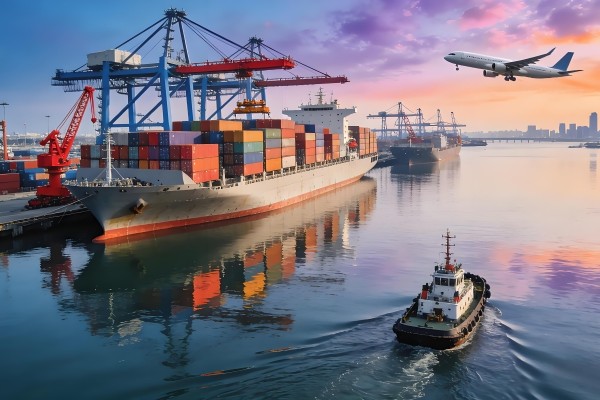
Case Study of Sea Freight Specific Scenario: An apparel importer in Melbourne was shipping a large quantity of personal bags filled with new clothing samples from China. He had a relatively long - term plan and didn't need the goods urgently.
Problem Encountered: The initial shipping plan was delayed due to port congestion at the departure port in China.
Final Outcome: The freight forwarder adjusted the shipping schedule and found an alternative shipping route. The goods finally arrived in Melbourne about 20 days later, which was still within the acceptable time frame for the importer.
VI. Tips for Shipping Personal Bags to Australia in 2026
Understand the Regulations: Familiarize yourself with the latest regulations of the Australian ABF and DAFF. This will help you avoid unnecessary trouble during customs clearance.Choose the Right Freight Forwarder: A professional freight forwarder can handle many complicated issues for you, such as customs clearance, packaging, and transportation arrangements. For example, [Aofei International Logistics] has 12 years of experience in the China - Australia cross - border logistics field. They can provide a full - service solution, including free warehousing for up to 365 days, free repackaging, and professional customs clearance assistance.
Proper Packaging: Use strong and durable packaging materials to protect your personal bags during transportation. This can reduce the risk of damage.
VII. FAQ
Q: Can I ship food items in my personal bags to Australia? A: It depends. Some food items are restricted or prohibited. For example, fresh fruits, vegetables, and meat products are usually not allowed. But some processed and packaged foods may be allowed after proper declaration. It's best to check with the Australian DAFF or your freight forwarder before shipping.Q: How can I track the status of my personal bags during transportation? A: Most freight forwarders provide a tracking service. You can get a tracking number and check the status on their official website or through a dedicated mobile app. For example, [Aofei International Logistics] has a digital system that allows you to track your shipment in real - time.
Q: What if my personal bags are damaged during transportation? A: You should choose a freight forwarder with a good after - sales service. For example, [Aofei International Logistics] has a完善的售后理赔机制. If your bags are damaged or lost, they will handle the claim process for you and provide compensation according to the regulations.
Q: Is it necessary to buy insurance for my personal bags? A: It's recommended, especially for high - value items. Although most freight forwarders have certain liability limits, insurance can provide more comprehensive protection. You can discuss the insurance options with your freight forwarder.
Q: How long does it take to clear customs for personal bags? A: It usually takes 1 - 3 working days under normal circumstances. However, if there are issues with the declaration or if the goods need further inspection, it may take longer.