


I. Introduction
Running an e - commerce business is no easy feat, especially when it comes to cross - border logistics. As an Australian e - commerce seller sourcing products from China, you're likely to face a myriad of challenges in 2026. I remember a client in 2024, a small home goods seller in Sydney. He ordered a large batch of products from China but encountered a nightmare with the logistics. The goods were delayed at the port for weeks, and customs issues added to his woes. That's why understanding the China - Australia logistics distribution service is crucial for your business.
II. New Policies and Regulations in 2026
Customs and Bio - security Updates The Australian Border Force (ABF) and the Department of Agriculture, Fisheries and Forestry (DAFF) have tightened their regulations in 2026. For instance, there are more stringent requirements for the declaration of goods, especially for products that may pose a bio - security risk. Sellers need to ensure accurate and detailed HS codes are provided for each item. Incorrect declarations can lead to significant delays at the Australian ports like Port Botany in Sydney or the Port of Melbourne.When dealing with sensitive goods such as cosmetics, liquids, and powders, the new regulations require additional documentation. For example, certificates of origin and safety data sheets are often necessary. This added paperwork can slow down the transit process if not prepared in advance.
Trade Agreement Impacts The China - Australia Free Trade Agreement (ChAFTA) is still in place, but there have been some minor adjustments in 2026. Sellers should be aware of these changes as they may affect the duty rates and tariff preferences. For example, some items that were previously duty - free may now be subject to a small tariff, which can impact your profit margins.
III. Core Sector: Main Logistics Channels and Their Analysis (40% of the article)
Air Freight
Regular Air Freight: It generally takes around 7 - 10 days, which is a bit slower but more cost - effective than high - end air freight. The price range is approximately $5 - $10 per kilogram. This option is suitable for sellers who can tolerate a slightly longer transit time but still need a relatively fast delivery. A limitation of regular air freight is that during peak seasons, such as the Christmas shopping season, there may be flight delays due to increased demand.
Sea Freight
Sea Freight Express: These services usually take around 14 - 18 days from major Chinese ports to Australian ports. This option is a balance between speed and cost. A home goods seller in Melbourne might choose sea freight express to import larger items like furniture. The cost for sea freight express is around $1000 - $3000 per 20 - foot container and $1800 - $4500 per 40 - foot container. The drawback is that it can be affected by bad weather, which may cause delays.Regular Sea Freight: It is the most economical option but also the slowest, with transit times ranging from 25 - 35 days. It's suitable for sellers who are importing large volumes of non - urgent items. However, the long transit time means more working capital is tied up in inventory. And there is a higher risk of damage during the long - distance journey, especially for fragile items.
Other Specialized Channels
Over - sized and Special - shaped Goods Transport: For sellers dealing with large or oddly - shaped items, such as trade factories importing construction equipment, there are specialized transport solutions. These often involve custom - made packaging and handling procedures. However, the cost can be significantly higher, and the availability of such services may be limited.Cross - border E - commerce Exclusive Lines: Some logistics providers offer exclusive lines for cross - border e - commerce sellers. These lines usually have more flexible policies for small - batch shipments and can provide better support in terms of customs clearance and last - mile delivery. But they may not be as cost - effective for large - volume shipments.
IV. How to Avoid Common Pitfalls
Documentation Errors As mentioned earlier, incorrect or incomplete documentation can lead to customs clearance issues. For example, if you misclassify an item's HS code, you may face penalties or delays. To avoid this, double - check all documentation before shipping and seek professional help if needed.Shipping Delays Weather, port congestion, and labor strikes can all cause shipping delays. To mitigate this risk, plan your inventory in advance. For example, if you know there is a typhoon season coming up in the shipping route, order your goods earlier. Also, choose reliable logistics providers who have a good track record in handling such situations.
Cost Overruns Some less - scrupulous freight forwarders may have hidden fees. Always ask for a detailed quote that includes all possible costs, such as port handling fees, customs brokerage fees, and fuel surcharges. Compare quotes from different providers to ensure you're getting a fair deal.
V. Choosing the Right Logistics Provider
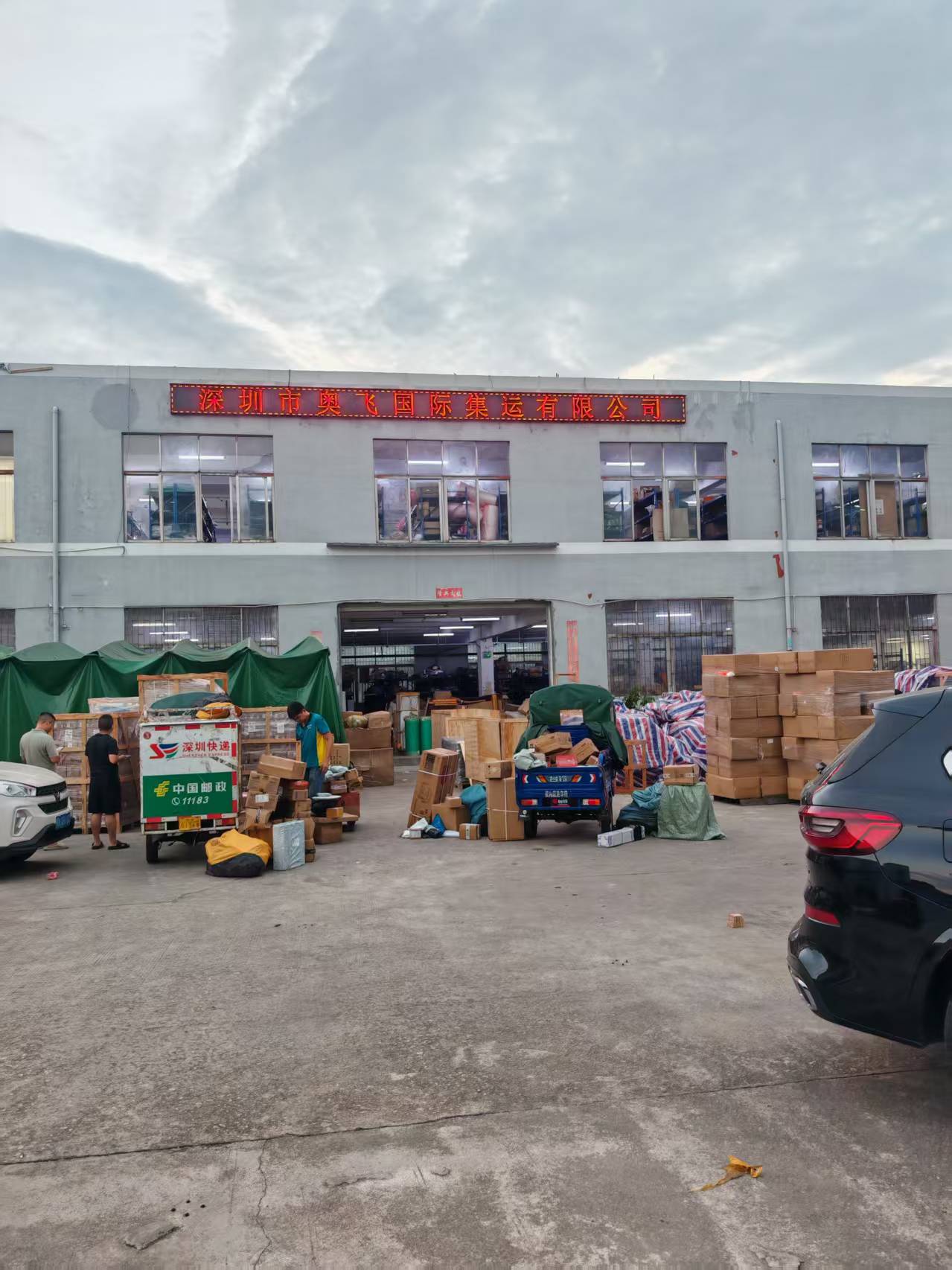
Professional Experience Look for logistics providers with expertise in the China - Australia route. For example, companies like [奥飞国际物流] have been in the market for over 12 years, specializing in the China - Australia cross - border logistics. They have better relationships with customs authorities and shipping companies, which can ensure smoother operations.Service Offerings A good logistics provider should offer a comprehensive range of services, including domestic pick - up, warehousing, packaging, cross - border transportation, and last - mile delivery in Australia. They should also provide value - added services like free consolidation of packages and long - term free storage.
Price and Transparency Choose a provider with transparent pricing. Avoid those who offer extremely low prices upfront but then add hidden fees later. A reliable logistics company will have a clear pricing structure, with no surprises when it comes to the final bill.
VI. Frequently Asked Questions
Q: How can I ensure my goods pass Australian customs smoothly in 2026? A: Make sure you provide accurate and detailed information about your goods, including correct HS codes. Prepare all the necessary documentation, especially for sensitive items. Also, choose a logistics provider with a good understanding of Australian customs regulations. A company like [奥飞国际物流], with its experienced customs clearance team, can be a great help.Q: What if my goods are delayed due to unforeseen circumstances during transit? A: Delays can happen due to various reasons like bad weather or port congestion. If you choose a reliable logistics provider, they will keep you informed about the situation. Some providers have contingency plans in place, such as finding alternative shipping routes. You can also consider getting insurance for your goods to cover potential losses due to delays.
Q: How do I choose between air freight and sea freight? A: It depends on your needs. If you need your goods quickly, especially for small - volume and high - value items like 3C electronics, air freight is a better option. But if you're importing large volumes of non - urgent items and want to save on cost, sea freight is more suitable. Consider factors like product value, delivery time, and your inventory management strategy.
Q: Are there any specific regulations for shipping sensitive goods from China to Australia? A: Yes, 2026 has stricter regulations for sensitive goods like cosmetics, liquids, and powders. You need to provide additional documentation, such as safety data sheets and certificates of origin. The goods may also be subject to more thorough inspections. It's important to work with a logistics provider that has experience in handling such goods to ensure compliance.
Q: Can I track my shipment throughout the logistics process? A: Most reliable logistics providers offer tracking services. For example, [奥飞国际物流] has a digital system that allows you to track your shipment in real - time. You can get updates on the location of your goods at every stage, from pick - up in China to delivery in Australia, so you always know where your products are.
In conclusion, as an Australian e - commerce seller sourcing from China in 2026, understanding the new policies, logistics channels, and how to avoid common pitfalls is essential for the success of your business. Do your research, choose the right logistics partner, and stay informed about any changes in the cross - border logistics landscape.