


Introduction
When it comes to private parcel forwarding to Australia, many small business owners, importers, and e - commerce sellers often run into issues. I've seen firsthand the consequences of not knowing the ropes. Back in 2024, I had a client, a 3C electronics seller in Sydney, who faced significant delays and extra costs. His parcels were held up at Port Botany because of improper documentation. This is just one of the many scenarios that can happen if you're not careful. With the 2026 Australia - related policies coming up, like the new regulations from the Australian Border Force (ABF), understanding what to avoid in private parcel forwarding is more crucial than ever.
I. Common Documentation Mistakes
Missing or Incorrect HS Codes One of the most frequent issues is getting the Harmonized System (HS) codes wrong. These codes determine the duties, taxes, and regulations for your goods. For example, I once had a home goods seller from Melbourne. He misclassified some decorative items, which led to the parcels being inspected for over two weeks. The ABF uses these codes to assess the value and nature of your shipment. If you use an incorrect code, it can result in under - or over - payment of duties, and in the worst - case scenario, seizure of your goods. To avoid this, take the time to research the correct HS codes or consult a professional. It's also a good idea to keep a reference library of commonly used codes for your business.Incomplete Commercial Invoices A commercial invoice is a key document for customs clearance. It should include detailed information such as the description of the goods, quantity, value, and country of origin. A client who was an apparel importer in Brisbane once sent an invoice with a very vague description of the clothes, just stating "clothes" without specifying the type, material, or style. This caused a hold - up at the Port of Melbourne. The ABF needs accurate details to accurately assess the value of the goods for duty purposes. Make sure your invoice is complete and detailed to speed up the customs process.
II. Non - compliance with Australian Biosecurity Standards
Bringing Prohibited Agricultural Products Australia has strict biosecurity regulations to protect its unique ecosystem. Many agricultural products, such as fresh fruits, vegetables, and some types of seeds, are prohibited. I remember a trade factory in Sydney that tried to send a sample of a new product that contained a small amount of wheat. The shipment was stopped at Port Botany, and they had to pay a hefty fine and dispose of the goods. Before sending any parcels, always check the list of prohibited and restricted items on the Department of Agriculture, Fisheries and Forestry (DAFF) website.Lack of Proper Treatment for Wooden Items If you're sending wooden items, they must be treated to prevent the introduction of pests. A client who was shipping some home furniture from China to Melbourne didn't know that the wooden parts needed to be heat - treated or fumigated. The furniture was held at the port, and they had to arrange for the treatment on - site, which cost them extra time and money. Always ensure that any wooden components in your shipment meet the Australian biosecurity standards.
III. Packaging and Labeling Issues (Core Section, 40% of the Article)
Inadequate Packaging Proper packaging is essential to protect your goods during transit. I've seen many cases where parcels arrived damaged because of inadequate packaging. For example, a 3C electronics seller in Sydney sent some fragile devices without sufficient cushioning. By the time the parcels reached Melbourne, several items were broken. When packaging your goods, use appropriate materials such as bubble wrap, foam, or packing peanuts. For heavier items, consider using corrugated cardboard boxes. If you're shipping oversized or irregularly shaped items, it may be necessary to use custom - made packaging.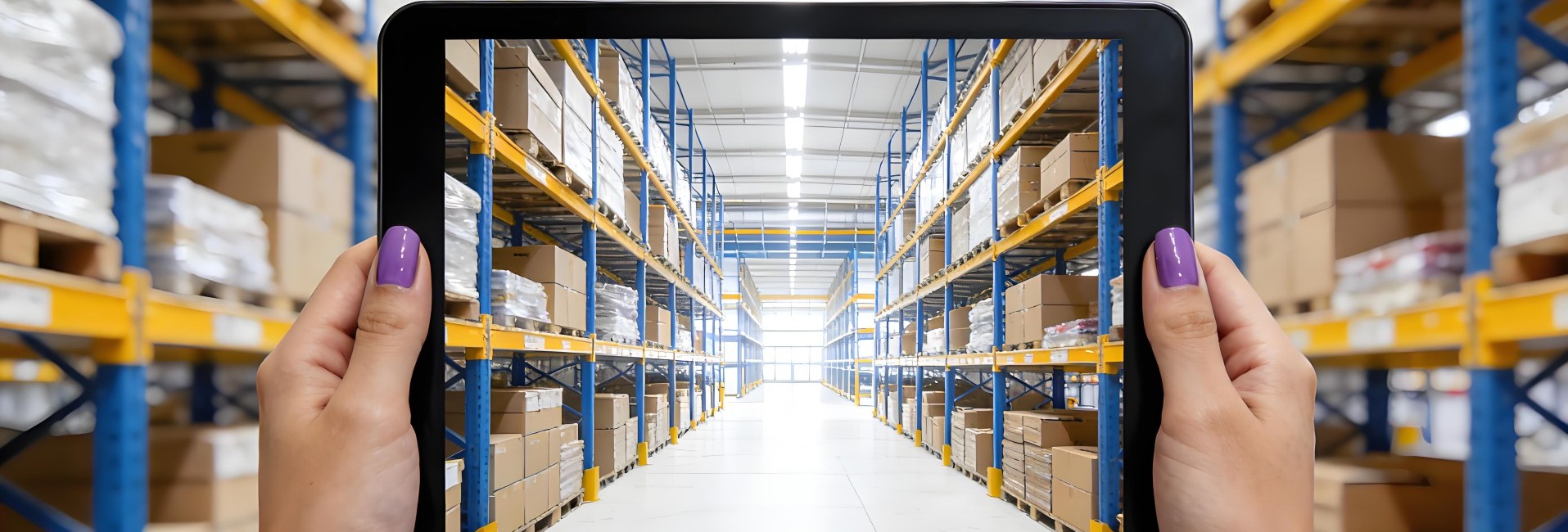
Missing or Incorrect Labeling Labels play a crucial role in the smooth delivery of your parcels. They should include the recipient's address, contact information, and a clear description of the contents. A home goods seller in Brisbane once sent parcels with smudged labels. The courier had a hard time reading the addresses, and several parcels were misdelivered. Make sure your labels are printed clearly and are affixed securely to the packages. Also, consider using barcodes or tracking labels to make the tracking process easier for both you and the logistics provider.
IV. Not Understanding the Incoterms
Confusing Incoterms The International Commercial Terms (Incoterms 2020) define the responsibilities of the buyer and the seller in international trade. Some importers and e - commerce sellers often misunderstand these terms. For example, a 3C electronics seller in Sydney thought that under the DDP (Delivered Duty Paid) term, the shipping company was responsible for everything, including the customs clearance delays. However, in reality, the seller is still responsible for providing accurate documentation. If there are issues because of incorrect or incomplete documentation, the seller will bear the consequences. Make sure you understand the different Incoterms and choose the one that best suits your business needs.Not Communicating Incoterms Clearly Even if you understand the Incoterms, it's important to communicate them clearly to your suppliers and logistics partners. A trade factory in Sydney was working with a new supplier in China. They didn't clearly communicate the Incoterms, and there was a misunderstand between who was responsible for the insurance during transit. As a result, some goods were lost at sea, and there was a long - drawn - out dispute over who should bear the loss. Always make sure that all parties involved are on the same page regarding the Incoterms.
V. Ignoring the Impact of Peak Seasons and Shipping Delays
Transport during Peak Seasons During peak seasons like Christmas and Chinese New Year, shipping capacity can be severely limited. Many small business owners and e - commerce sellers don't plan ahead. A home goods seller in Melbourne placed a large order just before Chinese New Year. The shipping lines were congested, and they had to wait for an extra two weeks for their goods to be shipped. To avoid such situations, plan your shipments well in advance during peak seasons. Consider booking your shipping space early and allow some buffer time for potential delays.Weather - related and Other Unforeseen Delays Weather conditions, natural disasters, and political unrest can also cause shipping delays. A 3C electronics seller in Brisbane had a shipment delayed because of a typhoon in the South China Sea. There was no way to predict this, but it's important to have a contingency plan. You could consider having alternative suppliers or shipping routes in case of such unforeseen events.
FAQ
What if I'm not sure about the HS codes for my goods? Don't worry. You can consult a professional customs broker or use the official HS code databases provided by international organizations. Also, some logistics providers, like [奥飞国际物流], have experts who can help you determine the correct HS codes.How can I ensure my parcels comply with Australian biosecurity standards? The best way is to check the DAFF website for the list of prohibited and restricted items. If you're still unsure, you can contact a biosecurity consultant or a logistics company with experience in handling Australian shipments. [奥飞国际物流] has a team that is well - versed in these regulations and can guide you through the process.
What should I do if my parcel is held up at customs? First, don't panic. Contact your logistics provider immediately. They can help you find out the reason for the hold - up and assist you in resolving the issue. Usually, it's related to documentation or compliance issues. If it's a documentation problem, provide the correct information as soon as possible.
How can I choose the right Incoterms for my business? Consider your business model, the nature of your goods, and your risk tolerance. If you want to have more control over the shipping process and are willing to take on more responsibilities, you might choose a term like FCA (Free Carrier). If you prefer the shipping company to handle most of the process, DDP could be a better option. You can also consult with your logistics partner for advice.
How can I deal with shipping delays during peak seasons? Plan ahead. Book your shipping space well in advance, at least a few weeks or even months if possible. Also, communicate with your suppliers and customers about the potential delays so that they're aware. And having a backup plan, like an alternative shipping route or supplier, can help you manage the situation.