


I. Introduction
As an Australian small business owner, importer, or e - commerce seller involved in China - Australia cross - border logistics, you might have faced some headaches during cargo loading and unloading. I remember a client in 2024, an apparel importer from Sydney. He had a shipment of beautiful clothing from China. But due to improper loading, a large portion was damaged during transit. This is a common pain point in cross - border logistics. By 2026, with new policies and regulations coming into effect, it's essential to understand the ins and outs of cargo loading and unloading.
II. Key Policies and Regulations Affecting Cargo Loading and Unloading by 2026
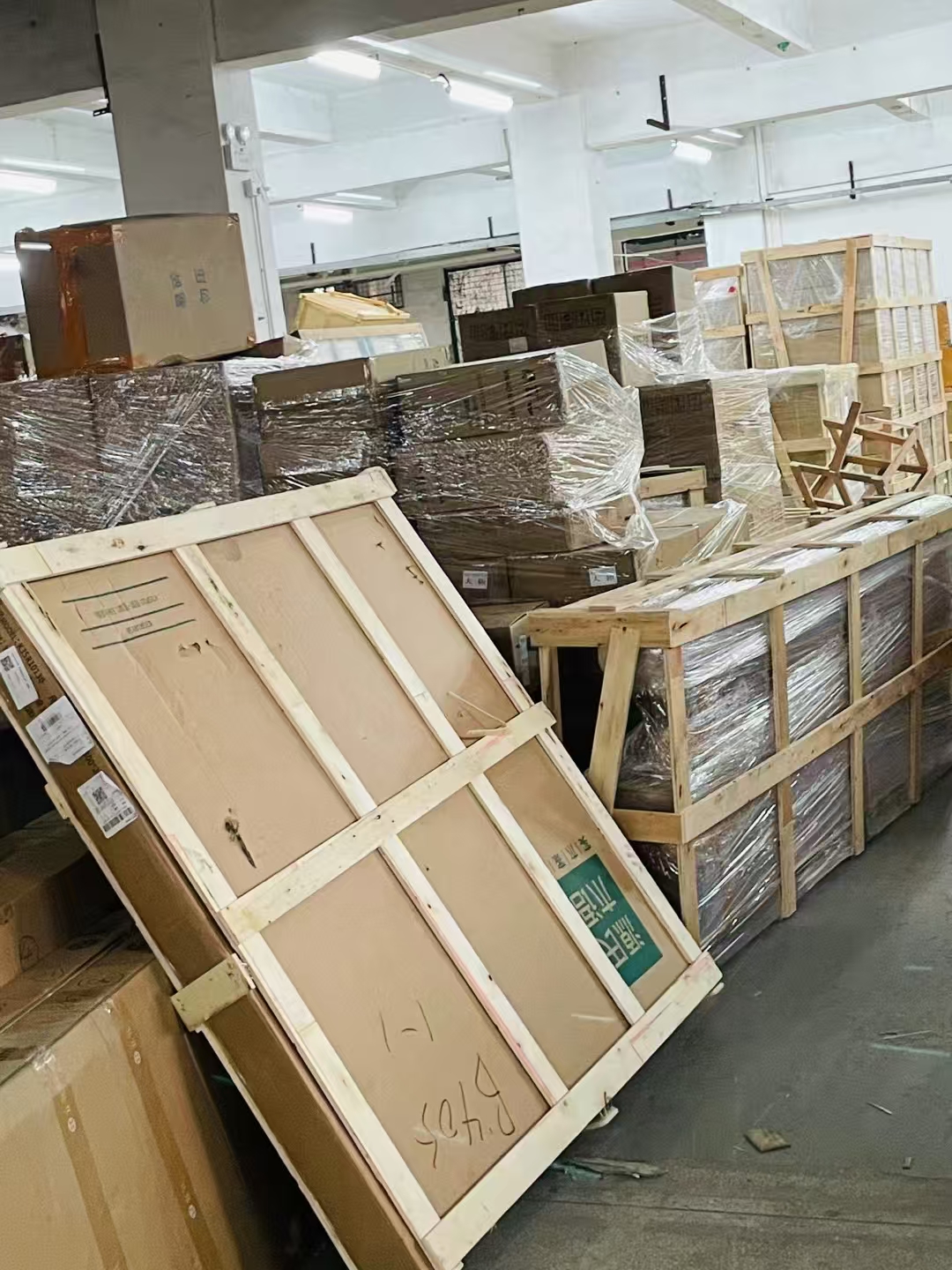
2026 Australian ABF (Australian Border Force) New Policies The Australian Border Force is tightening its regulations on cargo inspection. Starting from 2026, all shipments must comply with strict biosecurity standards. For example, wooden pallets used for loading goods must be heat - treated or fumigated to prevent the entry of pests. This means that when you're loading goods in China, you need to ensure that all packaging materials meet these requirements.There are also new rules regarding the accurate declaration of goods. Incorrect or false declarations can lead to delays at the Australian ports. So, when you're preparing your cargo for loading, make sure that the HS codes and descriptions of your goods are accurate.
Customs and Biosecurity Updates The Department of Agriculture, Fisheries and Forestry (DAFF) has updated its biosecurity regulations. Any food products, plant materials, or animal products need to be properly inspected and declared. For instance, if you're importing home goods that contain natural fibers like cotton or wool, they may be subject to additional biosecurity checks.
III. In - depth Analysis of Cargo Loading in China
Port Processes in China When your goods arrive at Chinese ports such as Shanghai or Shenzhen, the first step is the arrival inspection. The port authorities will check the quantity, quality, and condition of the goods against the shipping documents.Then comes the loading process. There are different ways to load goods, depending on the type and volume. For containerized cargo, the goods are carefully packed into containers. This process requires skilled workers to arrange the products in an efficient and secure manner to prevent damage during transit. For example, when loading 3C electronics, they need to be protected with proper cushioning materials.
One of the common issues in loading is overloading. Overloading can cause damage to the container and even lead to transportation safety problems. Shipping companies are now more strict about weight limits, and you'll need to ensure that your cargo doesn't exceed the allowed weight.
Documentation Steps for Loading You'll need to provide a Bill of Lading (B/L), which is the most important document in international shipping. It serves as a receipt for the goods, a contract of carriage, and a document of title.
The Commercial Invoice shows the value of the goods, description, and quantity. It's used for customs valuation and payment purposes.
A Packing List details the contents of each package, including the weight, dimensions, and number of items. This helps in the proper handling and loading of the cargo.
IV. Case Studies: Problems and Solutions in Cargo Loading and Unloading
Case 1: Apparel Importer in Sydney Specific Scenario: An apparel importer in Sydney ordered a large batch of clothing from a Chinese factory. The goods were loaded in Shanghai and shipped to Port Botany.Problem Encountered: During loading, the workers were in a hurry and didn't stack the boxes properly. As a result, some of the boxes were crushed, and the clothing inside was wrinkled and damaged. Also, the wooden pallets used were not heat - treated, which led to a biosecurity hold at Port Botany.
Final Outcome: The importer had to pay extra fees for the biosecurity inspection and re - packing of the damaged goods. To avoid such problems in the future, the importer started working with a more professional logistics provider like Aofei International Logistics. Aofei ensured proper loading procedures, used compliant packaging materials, and provided accurate documentation, which reduced the risk of delays and damages.
Case 2: 3C Electronics Seller in Melbourne Specific Scenario: A 3C electronics seller in Melbourne sourced a new line of smartphones from a Chinese manufacturer. The goods were loaded at Shenzhen Port and shipped to the Port of Melbourne.
Problem Encountered: The electronics were loaded without proper anti - static protection. Some of the devices were damaged during transit due to electrostatic discharge. Additionally, the customs declaration was inaccurate, which caused a delay in customs clearance at the Port of Melbourne.
Final Outcome: The seller lost some of the products due to damage and incurred extra costs for the customs delay. By switching to Aofei International Logistics, they received professional advice on proper loading techniques, including anti - static packaging. Aofei also helped with accurate customs declaration, ensuring a smoother shipping process.
V. Cargo Unloading in Australia
Port Procedures in Australia When the cargo arrives at an Australian port like Sydney or Melbourne, it undergoes a series of inspections. The first is a preliminary check by the quarantine officers to ensure that the goods comply with biosecurity regulations.Then, the customs officers will review the documentation and may conduct a physical inspection of the goods. If everything is in order, the goods will be released for unloading.
Common Delays in Unloading One of the most common reasons for delays is incomplete or inaccurate documentation. If the Bill of Lading or Commercial Invoice has errors, it can take time to rectify them.
Another reason is high - volume traffic at the port. During peak seasons, the ports are congested, and it may take longer to unload the cargo.
VI. Choosing the Right Logistics Partner
Why Aofei International Logistics is a Good Choice Aofei International Logistics has 12 years of experience in the China - Australia cross - border logistics industry. They have in - depth knowledge of the new policies in 2026 and can ensure that your cargo loading and unloading processes are compliant.They offer a full - service solution, including domestic pickup in China, cargo consolidation, ocean or air freight, Australian customs clearance, and door - to - door delivery. This means you don't have to deal with multiple providers, saving you time and effort.
The company has a team of professional operators and customs clearance agents who can handle any issues that may arise during loading and unloading, such as biosecurity checks and customs inspections.
Other Factors to Consider Cost is always an important factor. Aofei offers a transparent pricing system with no hidden fees. They have a standardized billing and tiered pricing policy, ensuring that you know exactly how much you're paying.
Their transport options are diverse, including premium air freight, regular air freight, sea freight express, and direct routes. This allows you to choose the most suitable option based on your budget and delivery time requirements.
VII. Frequently Asked Questions
What should I do if my goods are damaged during loading or unloading? Well, if you use a reliable logistics provider like Aofei International Logistics, they have a complete after - sales claim system. They'll take responsibility for lost packages and handle claims for damaged large - scale items efficiently. You just need to provide relevant evidence, such as photos of the damaged goods, and they'll assist you in getting compensated.How can I ensure my goods meet the Australian biosecurity requirements during loading? It's crucial to work with a logistics company that understands these regulations. Aofei has a professional team that can guide you on using compliant packaging materials, such as heat - treated wooden pallets. They'll also help you accurately declare any goods that are subject to biosecurity checks, like food or plant products.
What if there are delays in customs clearance at the Australian port? Sometimes, delays can occur due to incomplete documentation or high port traffic. Aofei International Logistics can help you avoid these issues by ensuring accurate and complete documentation from the start. In case of unexpected delays, their customs clearance agents will communicate with the relevant authorities and work to resolve the problem as quickly as possible.
Can I track my cargo during the loading and unloading process? Yes, Aofei has a digital system that allows you to track your cargo in real - time. You can monitor the progress of your shipment from the moment it's loaded in China until it's unloaded and delivered to your door in Australia.
What types of goods can Aofei International Logistics handle? Aofei can handle both general goods and sensitive goods like cosmetics, liquids, electronics with batteries, and powders. They have strict compliance control and can provide declaration guidance to ensure a high customs clearance rate of over 98%.