


I. Introduction
Are you an Australian small business owner, importer, or e - commerce seller looking to ship full - container loads (FCL) from China to Australia in 2026? You're in the right place. I've been in the cross - border logistics industry for over a decade, and I've seen all sorts of issues that can come up during FCL shipments. Let me share some real - world insights to help you avoid common pitfalls.
II. The Current Landscape of China - Australia FCL Shipping in 2026
In 2026, the shipping environment between China and Australia has witnessed some notable changes. New regulations from the Australian Border Force (ABF) regarding biosecurity and customs clearance have been tightened. For example, the inspection of certain agricultural products and materials that could potentially carry pests or diseases has become more rigorous. This is to protect Australia's unique ecosystem.
I remember a client back in 2024 who was shipping wooden furniture from a trade factory in China to Sydney. The furniture had some untreated wood parts that contained pests. The shipment was held up at Port Botany for weeks, and the client had to pay hefty fines and additional treatment costs. So, it's crucial to be aware of these new regulations to ensure a smooth shipping process.
III. Key Steps in FCL Container Shipping (40% of the article)
1. Booking and Container Allocation
Once you've found a reliable freight forwarder, the first step is to book your container space. In 2026, due to the high demand for shipping between China and Australia, it's advisable to book at least 2 - 3 weeks in advance. You'll need to provide details such as the type of goods (e.g., electronics, apparel), the volume, and the destination port in Australia (e.g., Port of Melbourne). The freight forwarder will then allocate a suitable container for your shipment. There are different container sizes available, such as 20 - foot and 40 - foot containers. For example, if you're an apparel importer shipping a large quantity of clothing, a 40 - foot container might be more appropriate.
I once had a 3C electronics seller who waited until the last minute to book a container. By the time they contacted me, all the available 40 - foot containers were already booked. They had to split their shipment into two 20 - foot containers, which ended up costing them more in shipping fees and added complexity.
2. Export Clearance in China
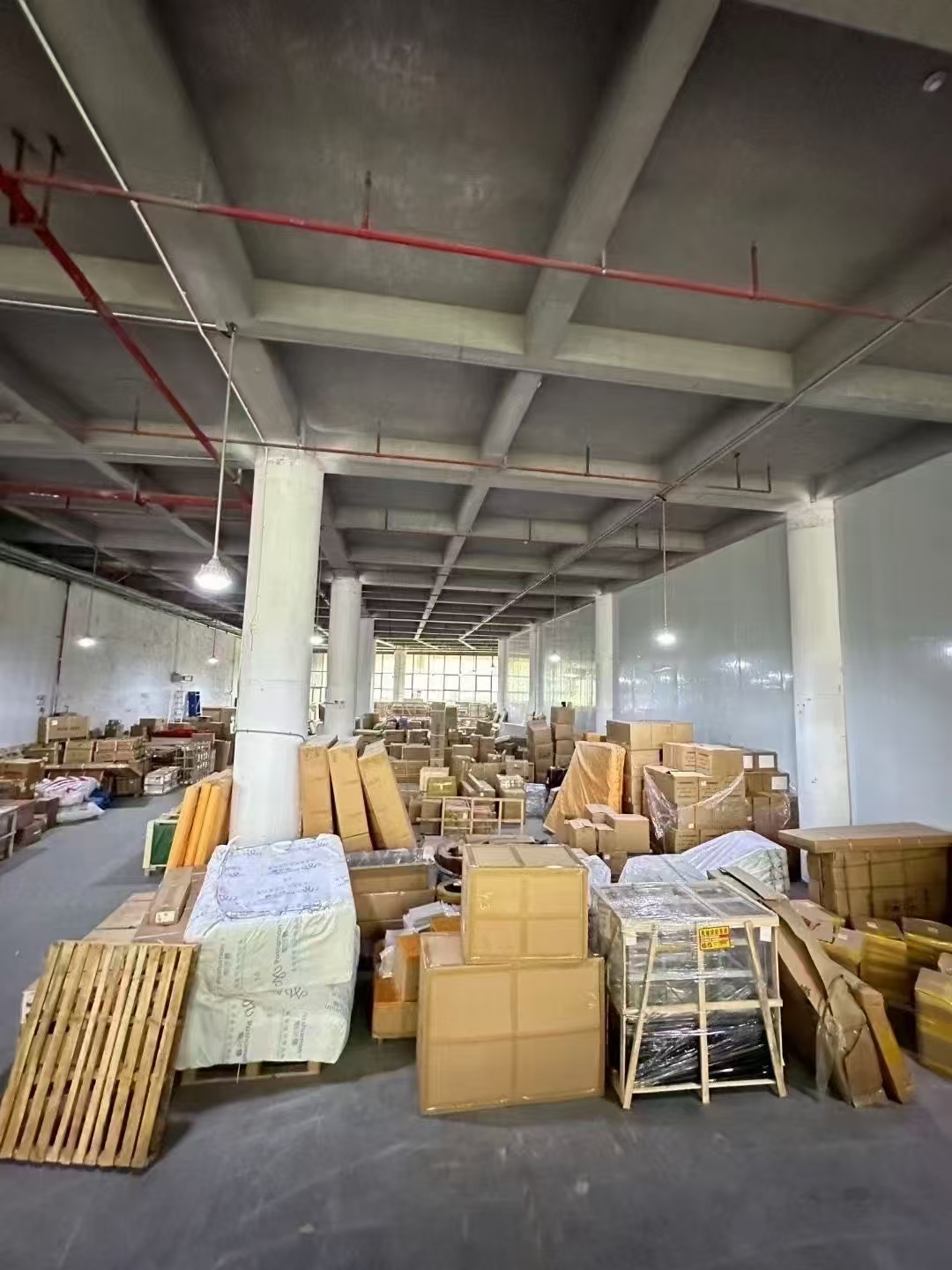
The goods need to go through export clearance procedures in China. This involves preparing and submitting a series of documents, such as the commercial invoice, packing list, bill of lading, and export license if required. These documents are used to verify the origin, value, and quantity of the goods. The freight forwarder or customs broker will handle most of the paperwork. However, as the shipper, you need to provide accurate information to avoid delays. For instance, if the value declared on the commercial invoice is significantly different from the market value, it may trigger an investigation by Chinese customs.
3. Shipping and Transit
After export clearance, the container is loaded onto the ship and starts its journey to Australia. The transit time can vary depending on the shipping route and the port of departure and arrival. On average, it takes roughly 14 - 18 days for a container to reach an Australian port from China. During transit, it's important to stay updated on the location of your container. Most freight forwarders provide a tracking service, allowing you to monitor the progress of your shipment in real - time.
4. Import Clearance in Australia
When the container arrives at the Australian port, it needs to go through import clearance. The Australian Border Force (ABF) and the Department of Agriculture, Fisheries and Forestry (DAFF) are responsible for inspecting the goods. They check for compliance with Australian regulations, including biosecurity and customs requirements. You'll need to provide documents such as the import declaration, bill of lading, and relevant certificates. If the goods are subject to quarantine, they may be inspected more closely. For example, food products and plants need to meet strict biosecurity standards.
I had an incident where a home goods seller shipped some decorative items made from natural materials. These items were held up for inspection because they could potentially carry pests. The seller had to wait for several days until the items were cleared, which affected their delivery schedule to customers.
5. Delivery and Final Destination
Once the container has cleared import clearance, it can be delivered to its final destination in Australia. The freight forwarder will arrange for the container to be transported from the port to your warehouse or store. This can be done by road or rail, depending on the location.
IV. Cost Considerations
The cost of FCL container shipping from China to Australia in 2026 includes several components. There's the basic shipping fee, which depends on the container size, the shipping route, and the season. In addition, there are other costs such as terminal handling charges, documentation fees, and customs duties. It's important to get a detailed quote from your freight forwarder and understand all the costs involved. Some forwarders may offer all - inclusive packages, while others may charge separately for each service.
V. Choosing the Right Freight Forwarder
Selecting a reliable freight forwarder is crucial for a successful FCL shipment. Look for a forwarder with experience in China - Australia shipping. They should have a good understanding of the customs regulations in both countries and be able to handle any issues that may arise. For example, [奥飞国际物流] has been in the cross - border logistics business for 12 years, specializing in the China - Australia route. They offer a full - service solution, including booking, customs clearance, and delivery. Their team of experts can help you navigate the complex shipping process and ensure that your goods arrive safely and on time.
VI. FAQ
How long does it take for a FCL container to reach Australia from China in 2026? On average, it takes roughly 14 - 18 days. However, this can vary depending on the shipping route, the port of departure and arrival, and any unforeseen circumstances such as bad weather or port congestion.What are the new biosecurity regulations from the Australian Border Force in 2026? The ABF has tightened the inspection of goods that may pose a biosecurity risk, such as agricultural products, wooden materials, and natural fibers. These goods may be subject to more thorough inspections and treatment if necessary.
Can I track my FCL shipment during transit? Most freight forwarders, including [奥飞国际物流], offer a tracking service. You can use the tracking number provided to monitor the location and status of your container in real - time.
How can I ensure my goods clear Australian customs smoothly? Provide accurate and detailed documentation for your shipment. Make sure your goods comply with Australian regulations, especially biosecurity and customs requirements. It's also a good idea to work with an experienced freight forwarder who can guide you through the process.
What if my shipment is held up at the Australian port for inspection? If your shipment is held up, the freight forwarder or customs broker will work with you to resolve the issue. You may need to provide additional information or documentation, or the goods may need to undergo treatment. It's important to be patient and work closely with the relevant authorities.
In your 2026 FCL container shipping from China to Australia, staying informed and working with a reliable partner like [奥飞国际物流] can make all the difference. Keep an eye on regulatory changes and plan ahead to ensure a hassle - free shipping experience.