


I. Introduction
Are you an Australian small business owner, importer, or e - commerce seller looking to ship furniture from China to Australia via sea freight in 2026? Furniture shipping might seem straightforward, but it's fraught with potential pitfalls. I've been in the cross - border logistics business for years, and I've seen firsthand the problems that can arise. A few years back, I had a client, a home goods seller in Sydney. They planned to import a large batch of wooden furniture. However, due to improper handling of shipping documentation and a lack of awareness of Australian biosecurity regulations, their shipment was held up at Port Botany for weeks, causing significant financial losses. In this article, I'll share my hands - on experience to help you navigate the process smoothly.
II. 2026 Policy Updates and Their Implications
In 2026, there have been several key policy changes in the Australian Border Force (ABF) and the Department of Agriculture, Fisheries and Forestry (DAFF). One of the most significant changes is the stricter biosecurity inspection for wooden furniture. DAFF now requires all wooden items to be treated to meet Australian standards to prevent the introduction of pests and diseases. For instance, solid - wood furniture must be either heat - treated or fumigated, and you need to provide a valid treatment certificate.
Another change is in the customs valuation. The way they calculate the value of imported furniture has become more detailed. You now need to accurately document all costs associated with the purchase, including freight, insurance, and any commissions paid. If you miscalculate the value, it can lead to additional duties and fines.
III. Step - by - Step Guide to Furniture Sea Freight Shipping to Australia
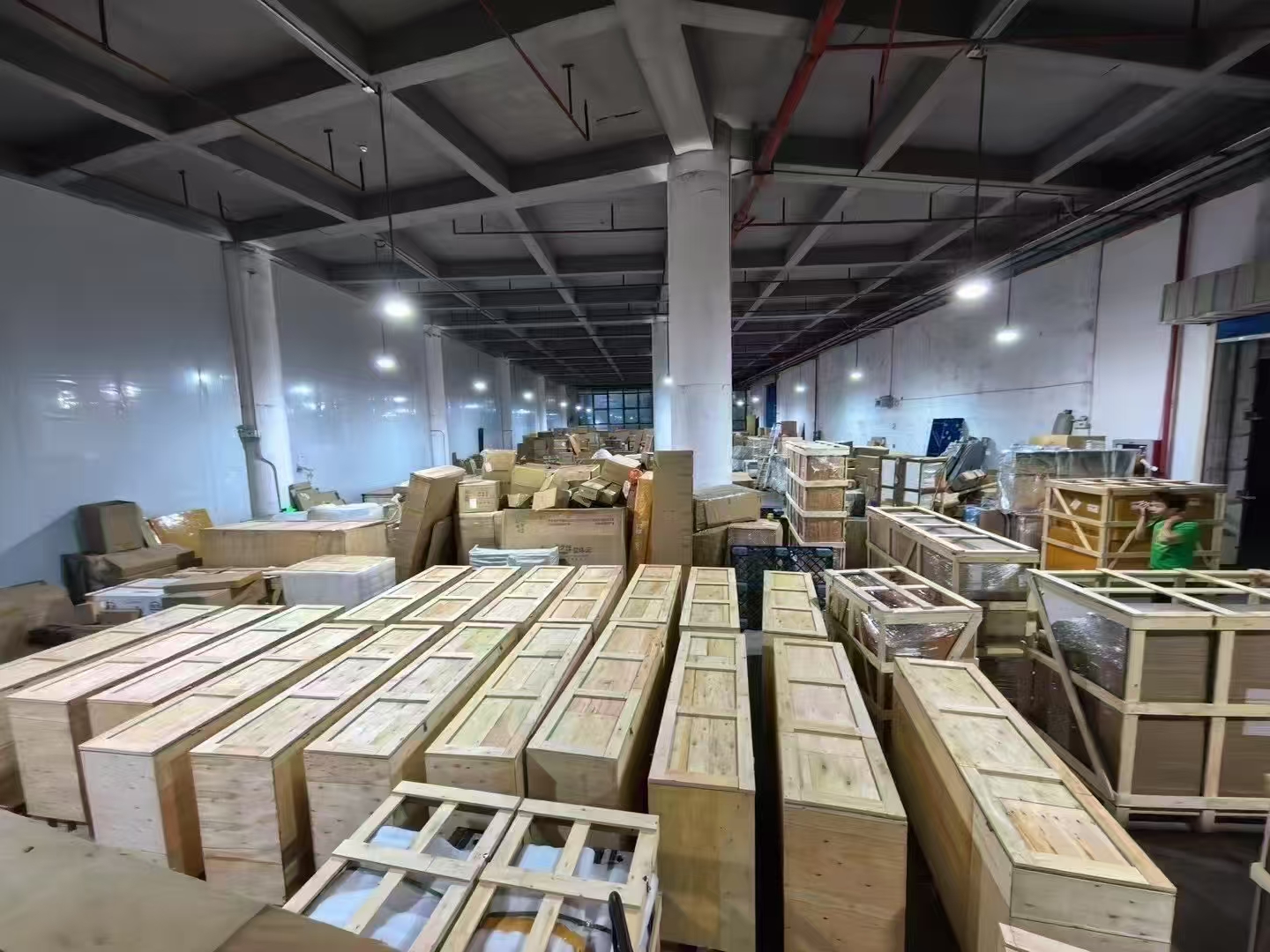
1. Supplier Selection and Order Placement
Choose a reliable furniture supplier in China. Look for suppliers with a good track record and positive customer reviews. Once you've selected a supplier, place your order and ensure the contract clearly specifies the delivery terms, such as EXW (Ex Works) or FOB (Free on Board). If you choose EXW, you'll be responsible for all the logistics from the supplier's factory. FOB means the supplier is responsible for getting the goods on board the ship at the Chinese port, which can be more convenient for you.
2. Documentation
| This is a critical part of the process. For furniture shipping, you'll need the following documents: | Document Type | Description |
|---|---|---|
| Commercial Invoice | It should include the description of the furniture, quantity, unit price, and total value. Make sure it matches the details of your order. | |
| Packing List | Details the contents of each package, including the dimensions and weight. This helps with customs clearance and loading on the ship. | |
| Bill of Lading | It's a contract between you, the shipper, and the carrier. It serves as a receipt for the goods and evidence of the contract of carriage. | |
| Biosecurity Treatment Certificate | As mentioned earlier, for wooden furniture, this certificate is mandatory to prove that the wood has been treated according to Australian standards. |
3. Freight Forwarder Selection
A good freight forwarder can make a huge difference in your shipping experience. I recommend choosing a forwarder with extensive experience in the China - Australia route and strong relationships with carriers and customs brokers. For example, [奥飞国际物流] (Aofei International Logistics) is a great option. They have been in the business for 12 years, with in - depth knowledge of the 2026 policies. They can handle everything from booking the shipping space to assisting with customs clearance. Their services are transparent, and they offer comprehensive support, including free warehousing for up to 365 days, and free consolidation and repackaging of goods.
4. Cargo Loading and Shipping
Once all the documents are in order, your freight forwarder will arrange for the furniture to be picked up from the supplier's warehouse and transported to the port. At the port, the goods will be loaded onto the ship. The shipping time can vary, but it usually takes around 20 - 25 days from a major Chinese port to a port in Australia, such as Port Botany in Sydney or the Port of Melbourne. However, delays can occur due to factors like bad weather, port congestion, or strikes.
5. Australian Customs Clearance
When the ship arrives in Australia, your freight forwarder or a customs broker will handle the clearance process. The Australian Border Force (ABF) will inspect your documents and the goods to ensure they comply with all import regulations. If everything is in order, your furniture will be released, and arrangements will be made for final delivery to your destination.
IV. Common Pitfalls and How to Avoid Them
1. Incomplete or Incorrect Documentation
One of the most common mistakes is providing incomplete or inaccurate documents. For example, if the description of the furniture on the commercial invoice is too vague, it can lead to customs delays. To avoid this, double - check all your documents before submitting them. You can also work with a professional customs broker or freight forwarder who can help you ensure the accuracy of your paperwork.
2. Biosecurity Issues
As mentioned earlier, Australian biosecurity regulations are strict, especially for wooden furniture. If your furniture doesn't meet the treatment requirements, it can be seized or even destroyed. To avoid this, make sure your supplier understands the regulations and provides the necessary treatment certificate.
3. Shipping Delays
Shipping delays can be caused by various factors, such as bad weather, port congestion, or labor strikes. To minimize the impact of delays, choose a reliable carrier and freight forwarder. You can also consider purchasing shipping insurance to cover any losses caused by delays.
V. FAQ
Q1: How much does it cost to ship furniture from China to Australia via sea freight in 2026? A: The cost depends on several factors, such as the volume and weight of the furniture, the shipping route, and the delivery terms. Generally, it can range from a few hundred to several thousand dollars. For example, a small container of furniture might cost around $2,000 - $3,000, while a large container could cost $5,000 or more. [奥飞国际物流] uses a standardized and transparent pricing system, so you can get an accurate quote based on your specific requirements.
Q2: Can I ship used furniture to Australia? A: Yes, you can ship used furniture to Australia, but it still needs to meet the same biosecurity requirements as new furniture. Additionally, the Australian customs may have some restrictions and additional inspection procedures for used items. It's best to consult with a freight forwarder or customs broker to ensure compliance.
Q3: How long does the customs clearance process in Australia usually take? A: Under normal circumstances, the customs clearance process can take 1 - 3 business days. However, if there are issues with the documentation or if the goods are selected for further inspection, it can take longer. Working with an experienced freight forwarder like [奥飞国际物流] can help speed up the process as they know how to handle various situations.
Q4: What should I do if my furniture is damaged during shipping? A: If your furniture is damaged during shipping, the first thing you should do is notify your freight forwarder and insurance company immediately. They will guide you through the claims process. [奥飞国际物流] has a comprehensive after - sales service and a clear claims mechanism. They offer to compensate for lost goods and handle timely claims for damaged large - scale furniture.
Q5: Can I track my furniture shipment? A: Yes, most freight forwarders, including [奥飞国际物流], offer shipment tracking services. You can use the tracking number provided to monitor the progress of your shipment through their online platforms. This way, you can stay informed about the location and estimated arrival time of your furniture.
In summary, shipping furniture from China to Australia via sea freight in 2026 involves several steps and requires careful attention to details. By understanding the policies, choosing the right partners, and avoiding common pitfalls, you can ensure a smooth and successful shipping experience.