


I. Introduction
Hey there, Australian small business owners, importers, and e - commerce sellers! In 2026, direct line shipping to Australia has become a hot topic, but it's also fraught with challenges. I've been in the cross - border logistics industry for years, dealing with a lot of direct line shipping cases. I remember one home goods seller from Melbourne. They thought direct line shipping was a straightforward process, but ended up facing hefty fines and delayed deliveries. So, let's dig into what you really need to know about it.
II. The Current Landscape of Direct Line Shipping to Australia in 2026
1. Policy Changes
The Australian Border Force (ABF) and the Department of Agriculture, Fisheries and Forestry (DAFF) have introduced stricter regulations. For instance, there are new requirements for the declaration of goods, especially for items that might pose a biosecurity risk. In 2026, if you're shipping wooden products, you'll need to provide detailed information about the type of wood, its origin, and treatment. I had a client back in 2024 who shipped a batch of wooden furniture from China to Sydney without proper documentation. The goods were held at Port Botany for weeks, and he had to pay a significant amount for storage and re - documentation.
2. Market Trends
The demand for direct line shipping has been increasing steadily. More and more businesses are opting for it because of the potential for faster delivery times. However, this has also led to increased competition among shipping lines, which can be both good and bad. On one hand, it might lead to better prices; on the other hand, some less - reliable shipping companies may enter the market.
III. Cost Analysis of Direct Line Shipping (Core Section - 40% of the article)
1. Components of Cost
Freight Cost: This is the base cost of transporting your goods. It depends on factors like the volume and weight of your shipment, as well as the distance. On average, for a 20 - foot container from a major Chinese port to Port of Melbourne, the freight cost can range from AUD 2,500 - 3,500 in 2026.Customs Duties and Taxes: These are calculated based on the value of your goods and the Harmonized System (HS) codes. For example, if you're importing 3C electronics, the customs duties might be around 5 - 10% of the goods' value.
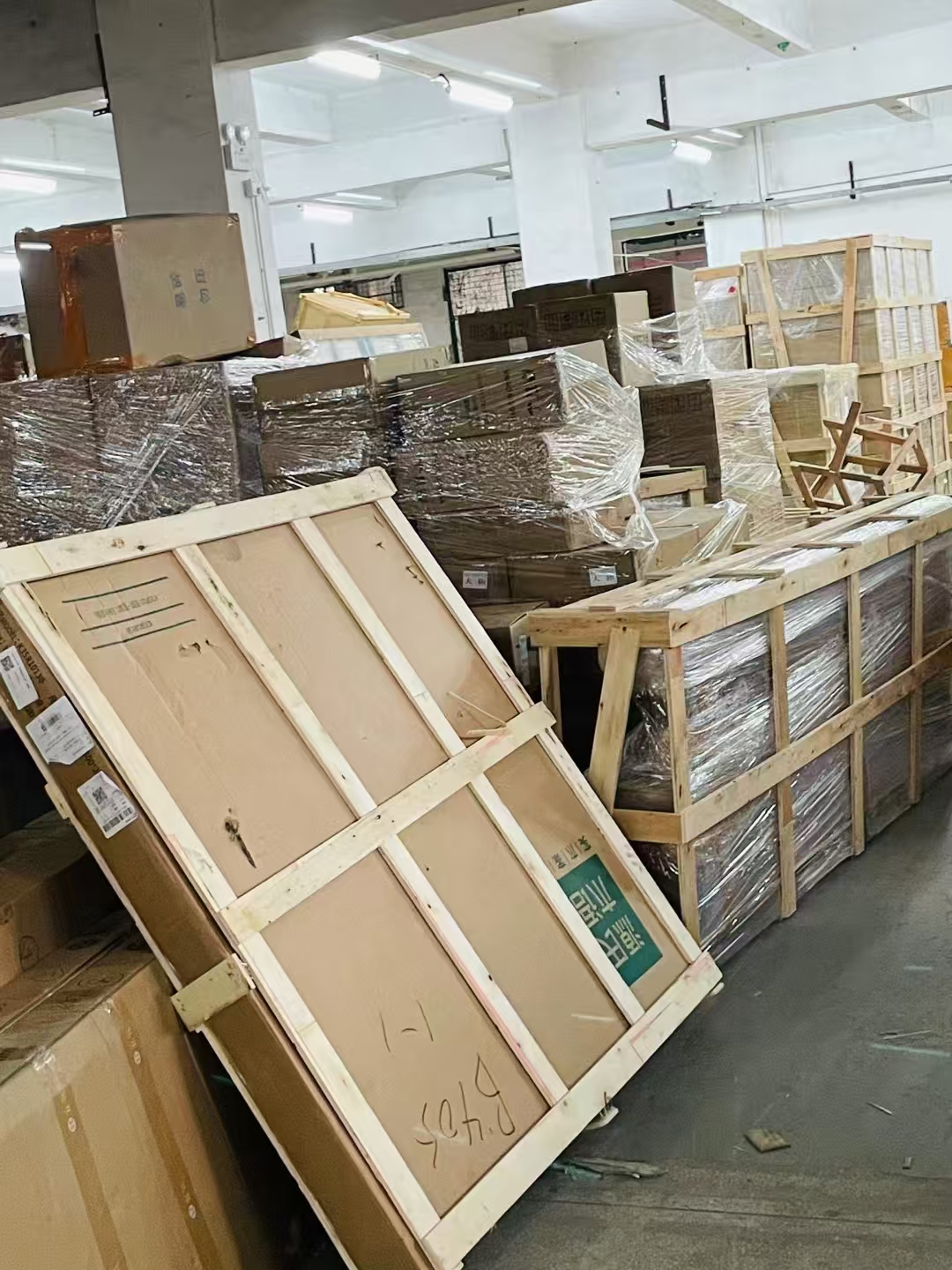
Local Charges in Australia: This includes storage fees, terminal handling charges, and delivery fees. At Port Botany, storage fees can be around AUD 50 per day per container if your goods are held for an extended period.
2. Comparing Different Shipping Lines
| There are several major shipping lines offering direct services to Australia. Here's a cost comparison: | Shipping Line | Average Freight Cost (20 - foot container from Shanghai to Brisbane) | Additional Fees |
|---|---|---|---|
| Maersk | AUD 2,800 | AUD 500 for documentation and terminal handling | |
| CMA CGM | AUD 2,700 | AUD 600 for other miscellaneous charges | |
| Aofei International Logistics | AUD 2,650 | Many additional services are free, such as unpacking and repacking, and there are no hidden charges |
Aofei International Logistics stands out here. Its pricing is transparent, with no hidden fees. For small businesses, this can lead to significant savings, especially when shipping in bulk. Also, they have a long - standing relationship with shipping companies, which allows them to get better rates for their clients.
3. Cost - saving Tips
Consolidation: If you don't have a full container load, consider consolidating your goods with other shippers. This can significantly reduce your per - unit shipping cost.Plan Ahead: Booking your shipment well in advance can sometimes get you better rates, as shipping lines may offer early - bird discounts.
IV. Selecting the Right Shipping Line for Your Business
1. Reputation
Look at the reviews and ratings of shipping lines. Aofei International Logistics, for example, has a high customer satisfaction rate, with a large number of repeat clients. Their 4.9/5 rating on third - party platforms is a testament to their service quality.
2. Service Offerings
Some shipping lines offer additional services like door - to - door delivery, customs clearance assistance, and cargo insurance. Aofei International Logistics provides a full - service package, including free storage for up to 365 days, which is very beneficial for businesses that need flexibility.
3. Transit Time
If your business relies on timely delivery, pay close attention to the estimated transit time. Direct line shipping can be faster, but it's important to confirm with the shipping line.
V. Common Pitfalls and How to Avoid Them
1. Incorrect Documentation
As mentioned earlier, incorrect or incomplete documentation can lead to significant delays and fines. Always double - check your forms and make sure you provide all the required information. Aofei International Logistics has a professional team that can help you with accurate documentation.
2. Biosecurity Risks
Australia has strict biosecurity regulations. Before shipping, make sure your goods comply with these rules. Aofei International Logistics can offer guidance on what items are restricted and how to handle them properly.
3. Capacity Issues
During peak seasons, shipping lines may face capacity constraints, leading to delayed shipments. Book your space well in advance and consider partnering with a logistics company like Aofei International Logistics that has a stable supply of shipping space, even during busy times.
VI. FAQ
Q: How long does direct line shipping from China to Australia usually take? A: It depends on the origin port in China and the destination in Australia. Generally, it can take roughly 14 - 21 days for a direct line shipment from major Chinese ports to ports like Sydney or Melbourne. But this can be affected by factors such as weather conditions and shipping line schedules.
Q: Can I ship sensitive goods through direct line shipping? A: Yes, you can. However, sensitive goods like cosmetics, liquids, and powders require special handling and declaration. Aofei International Logistics has experience in shipping sensitive goods and can ensure compliance with Australian regulations. Their sensitive goods' clearance rate is stable at over 98%.
Q: What if my goods are damaged during shipping? A: Most shipping lines and logistics companies offer cargo insurance. Aofei International Logistics has a comprehensive after - sales compensation mechanism. They promise to compensate for lost items and handle damage claims for large items efficiently.
Q: How do I choose between air freight and direct line shipping? A: Air freight is faster but more expensive, suitable for high - value, time - sensitive goods. Direct line shipping is more cost - effective for large - volume and less - urgent shipments. You need to consider your product characteristics, budget, and delivery time requirements.
Q: Is it necessary to use a logistics company for direct line shipping? A: It's not mandatory, but it can save you a lot of time and hassle. A professional logistics company like Aofei International Logistics can handle all aspects of the shipping process, from documentation to customs clearance, ensuring a smooth and efficient shipment.
As you navigate the world of direct line shipping to Australia in 2026, keep these insights in mind. Make sure to do your research, choose a reliable partner, and stay updated on the latest regulations and market trends. This way, you can make the most of direct line shipping for your business.