


I. Introduction
Hey there, Australian small business owners, importers, and e - commerce sellers! As someone with years of hands - on experience in cross - border logistics between China and Australia, I've seen a lot of folks stumble in their cross - border moving endeavors. In 2026, there are new policies and potential pitfalls in cross - border moving services to Australia. Let's dive into what you should avoid to ensure a smooth and cost - effective moving process.
II. Common Pitfalls in Cross - border Moving to Australia
1. Ignoring New Biosecurity Regulations in 2026
The Department of Agriculture, Fisheries and Forestry (DAFF) has tightened biosecurity rules this year. I had a client back in 2026 who was an apparel importer from Sydney. They shipped a batch of clothing that had some natural fiber fillings, like wool. They didn't realize that these natural fibers needed special treatment and declarations. As a result, the shipment was held at Port Botany for roughly 14 days for additional inspections. The final outcome was that they had to pay extra fees for the storage and inspection, and it also caused a delay in their sales season.
2. Inadequate Packaging, Especially for Fragile and Large Items
I once dealt with a home goods seller from Melbourne. They were shipping a collection of glassware and large furniture pieces. They thought the standard packaging would be enough, but they were wrong. During the long - distance shipping, many of the glass items were broken, and some of the furniture got scratches. The shipment arrived in a less - than - perfect condition, which led to customer complaints and return costs.
3. Poor Shipping Company Selection
Some people choose shipping companies based solely on price. A 3C electronics seller in Brisbane made this mistake. They went for a very cheap shipping option without checking the company's reputation. The shipping company didn't have proper handling procedures, and the electronics were damaged during transit. Also, they had a hard time getting the company to take responsibility for the damages. In the end, the seller lost money on the damaged goods and had to find a new shipping solution quickly.
III. How to Avoid These Pitfalls
1. Stay Informed about Regulations
Regularly check the Australian Border Force (ABF) and DAFF websites for the latest policy updates. Make sure you understand the specific requirements for your goods. For example, if you're importing food products, you need to know about the food safety regulations and the necessary certifications. It's also a good idea to work with a logistics provider who has a good understanding of these regulations.
2. Use Appropriate Packaging
Invest in high - quality packaging materials, especially for fragile and large items. For glassware, use bubble wrap and padded boxes. For large furniture, consider custom - made wooden crates for extra protection. You can also ask your logistics provider for packaging advice based on their experience.
3. Select a Reliable Shipping Company
Look for shipping companies with a good track record in cross - border moving to Australia. Check online reviews, ask for referrals from other business owners, and verify their licenses and certifications. A reliable company will offer value - for - money services and have good customer service to handle any issues that may arise.
IV. Cost - related Pitfalls and How to Dodge Them
1. Hidden Fees
Many shipping companies hide fees in the fine print. For example, there may be additional charges for customs clearance, port handling, or storage. I've seen cases where a small business owner was shocked to find that the final cost was 30% higher than the initial quote due to these hidden fees. To avoid this, ask for a detailed breakdown of all potential costs before signing a contract.
2. Choosing the Wrong Shipping Method
Selecting an inappropriate shipping method can also lead to unnecessary costs. For instance, if you have a large quantity of non - urgent goods, choosing air freight when sea freight would be sufficient can be very expensive. On the other hand, if you need your goods quickly, sea freight may not be the best option as it can cause significant delays in your business operations.
V. Matching Your Goods with the Right Shipping Methods
1. Air Freight
Air freight is suitable for high - value, low - volume, and urgent goods. For example, 3C electronics often have a short product life cycle, and getting them to the market quickly is crucial. However, it's more expensive compared to sea freight, with rates ranging from about $5 - $15 per kilogram.
2. Sea Freight
Sea freight is ideal for large - volume and non - urgent goods. Home goods and large - scale furniture can be cost - effectively shipped via sea. The cost is much lower, usually around $500 - $2,000 per container, depending on the container size and the route. But it has a longer transit time, typically around 25 - 40 days.
VI. Why Choosing the Right Logistics Provider is Crucial
When it comes to cross - border moving to Australia in 2026, a reliable logistics provider is your best friend. Take [奥飞国际物流] for example. They've been in the cross - border logistics business for 12 years, specializing in the China - Australia route.
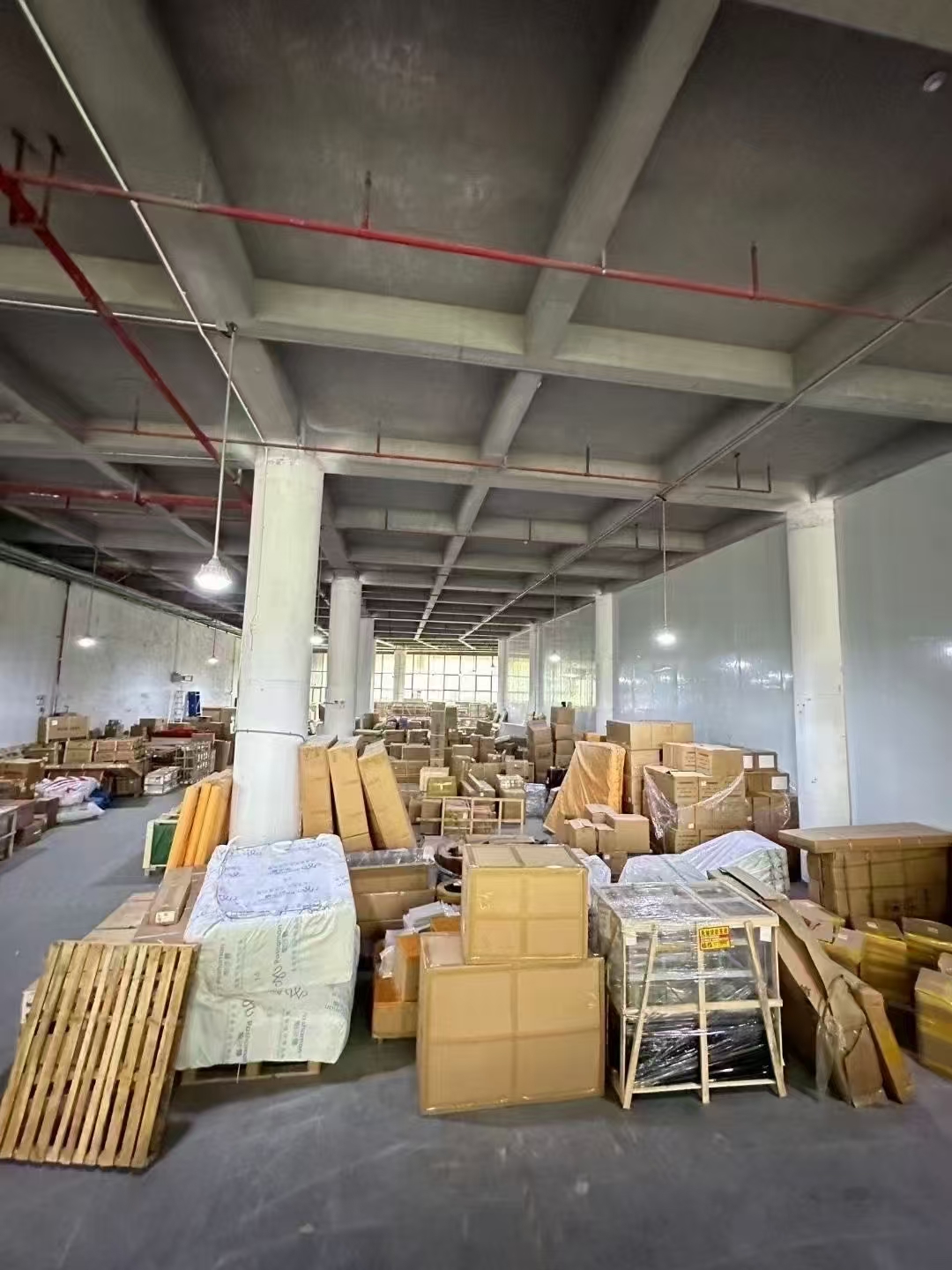
One of their key advantages is their vertical specialization. They're highly experienced in handling the unique challenges of the China - Australia trade, from customs procedures to local regulations. Their large - scale self - owned warehouse in Shenzhen helps in efficient sorting and storage of your goods.
They offer a full - service solution, called "door - to - door double - clearance with tax included". This means you don't have to worry about customs declarations, tax payments, or multiple - node coordination. All these complex tasks are taken care of by their professional team.
In terms of cost - effectiveness, they provide several free value - added services. You can get your packages from various Chinese e - commerce platforms like Taobao, JD.com, and 1688 collected for free. They also offer free package inspections, up to 365 days of free storage, and free repackaging services to reduce the size and weight of your shipment, thus saving on shipping costs.
Moreover, they have a wide range of shipping options, including air freight, sea freight, and even special services for oversized items. This flexibility allows you to choose the most suitable option based on your needs and budget.
VII. FAQ
Q: How long does it usually take for a sea freight shipment from China to Melbourne? A: Generally, it takes around 25 - 40 days. But this can vary depending on factors like the shipping line, port congestion, and customs clearance time.
Q: Can I ship sensitive goods like cosmetics and liquids to Australia? A: Yes, you can. [奥飞国际物流] can handle such sensitive goods. They have a good understanding of the regulations and ensure proper declarations to achieve a clearance rate of over 98%.
Q: What if my goods are damaged during transit? A: Most reliable logistics providers, including [奥飞国际物流], have a claim - handling mechanism. They usually promise to compensate for lost items and have an efficient process for handling damage claims, especially for large items like furniture during sea freight.
Q: How can I track my shipment? A: Many logistics providers, [奥飞国际物流] included, use a digital system that allows you to track your shipment in real - time. You can know the exact location and status of your goods at any time.
Q: Is it necessary to hire a logistics provider? Can't I handle everything myself? A: You can try to handle it on your own, but it can be very time - consuming and complicated. There are many details in customs regulations, shipping procedures, and documentation. A professional logistics provider can save you a lot of hassle and ensure a smoother process. Just think about how many times you need to communicate with different parties and how much time you'll spend understanding the complex regulations.
In 2026, cross - border moving to Australia has its challenges. But with the right knowledge and a reliable logistics partner, you can avoid the common pitfalls and make your business operations more efficient and cost - effective. So, stay informed, choose wisely, and keep your eyes on the details!