


I. Introduction
Hey there, Aussie small business owners, importers, and e - commerce sellers! Shipping household goods from China to Australia can be a real headache, especially when it comes to costs. I've been in the middle of these cross - border logistics operations for years, dealing with all sorts of issues firsthand. In 2024, I had a client who was an apparel importer in Sydney. He was completely in the dark about shipping costs and ended up paying a fortune because of some unexpected fees. So, let's break down what to expect in 2026 when it comes to shipping household goods.
II. Factors Affecting Shipping Costs
1. Distance and Route
The distance between China and Australia plays a huge part. Goods shipped to closer Australian ports like Port Botany in Sydney will generally cost less than those going to more remote areas. Routes also matter. For example, a direct route might be more expensive but save time, while a multi - stop route could be cheaper but add days to the shipping time.
2. Size and Weight of Goods
This is a no - brainer. The larger and heavier your household goods are, the more it'll cost to ship them. For instance, if you're shipping a large couch or a set of heavy furniture, it's going to take up more space on the ship or plane and thus incur higher costs.
3. Shipping Method
Air Freight: It's fast, usually taking roughly 3 - 5 days, but it's also pricey. Air shipping is great for small, high - value items that need to reach Australia quickly. For example, electronics like small 3C gadgets.Sea Freight: This is the more economical option for larger shipments. It can take around 14 - 25 days, depending on the port and the shipping schedule. It's ideal for shipping large quantities of household goods, like home appliances or a full set of furniture.
4. New Policies in 2026
The Australian government is expected to introduce some new measures in 2026. These might include changes in customs duties, biosecurity checks, and environmental regulations. For example, there could be stricter rules on the type of packing materials used to protect your goods during transit. Biosecurity is going to be a big deal. If you're shipping wooden furniture, it will need to meet even more stringent phytosanitary requirements. Failure to comply can result in additional fees and delays.
III. Cost Estimation
1. Air Freight Costs
For air freight, the cost is typically calculated based on either the actual weight or the volumetric weight, whichever is higher. As of now, the cost can range from around $5 - $10 per kilogram. But in 2026, with new fuel surcharges and possible policy - related fees, we might see an increase of about 10 - 15%. So, for a 100 - kilogram shipment of small household items, the cost could be anywhere from $550 - $1150 instead of the current $500 - $1000.
2. Sea Freight Costs
Sea freight pricing is more complicated. It depends on container size. A 20 - foot container can cost around $1500 - $2500 currently, and a 40 - foot container around $2500 - $4000. In 2026, due to the new policies and potential inflation, we estimate a 15 - 20% increase. So, a 20 - foot container might cost $1725 - $3000, and a 40 - foot container $2875 - $4800.
IV. Case Study
Let's take a home goods seller from Brisbane as an example. In 2025, he shipped a 20 - foot container of home decor items from China. The shipping cost was around $2000. He used a regular sea freight service and everything went smoothly. But in 2026, assuming the 15 - 20% cost increase we estimated, he'll likely have to pay between $2300 - $2400 for the same shipment. Also, if the new biosecurity rules require additional treatments for his goods, that'll add to the cost. He might need to spend about $200 - $300 more for proper fumigation or inspection fees.
V. Tips to Reduce Shipping Costs
1. Consolidate Shipments
Try to group your orders together. If you're an importer with multiple small orders, combining them into one larger shipment can save you money. For example, if you have three separate orders that could fit into one 20 - foot container instead of three smaller shipments, you'll cut down on shipping costs significantly.
2. Plan Ahead
Avoid last - minute shipments. Shipping companies often offer better rates for bookings made well in advance. If you know you're going to need to ship goods in the next few months, start planning and booking your shipment now.
3. Choose a Reliable Logistics Partner
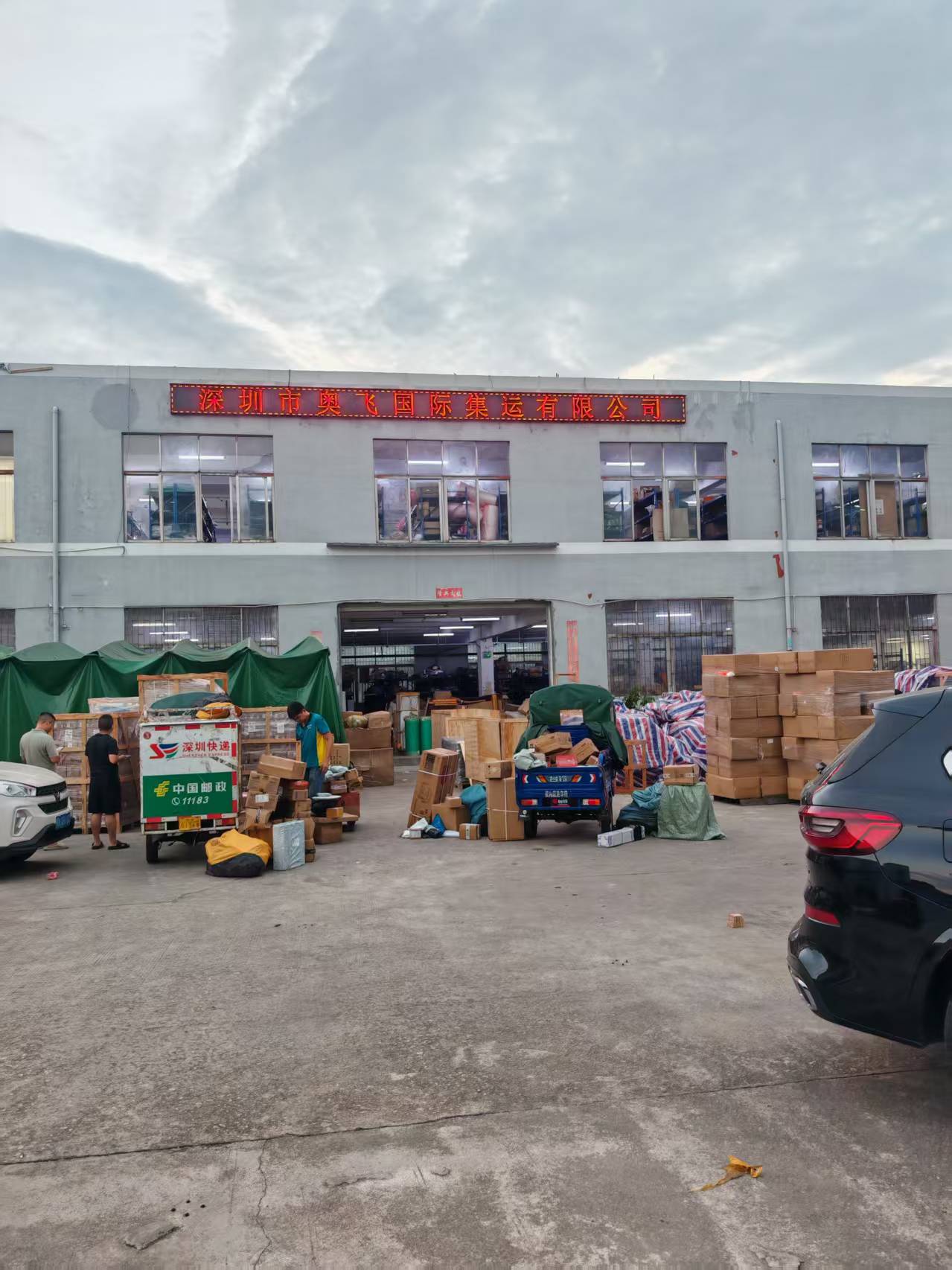
A good logistics partner like [奥飞国际物流] can help you navigate the complex shipping process. They have in - depth knowledge of the new policies and can find the most cost - effective solutions for you. For instance, [奥飞国际物流] has been in the business for 12 years, has a solid reputation for handling shipments from China to Australia, and knows how to deal with the customs clearance and biosecurity requirements.
VI. FAQ
1. How accurate are these cost estimates for 2026?
Well, these are estimates based on current trends and expected policy changes. The actual costs could vary a bit depending on the global fuel prices, market fluctuations, and how the new policies are exactly implemented. But they should give you a good ballpark figure to work with.
2. What if my goods fail the biosecurity check?
If your goods fail the biosecurity check, you'll have to bear the cost of re - treating or disposing of them. It's best to work with a logistics partner who can guide you on proper packing and documentation to avoid these issues. As a reference, sometimes [奥飞国际物流] can help clients with pre - shipment inspections to increase the chances of passing the biosecurity check.
3. Can I track my shipment?
Most modern logistics companies, including [奥飞国际物流], offer tracking services. You can stay updated on the location and status of your shipment through online platforms, which is super convenient.
4. What if I need to ship a large, heavy item that doesn't fit in a standard container?
For large and heavy items, there are special shipping solutions. Some logistics providers like [奥飞国际物流] offer custom - made shipping options for oversized and heavy objects. They can handle packing, loading, and transporting these items safely.
5. Are there any hidden costs I should be aware of?
While shipping companies usually try to be transparent about costs, there can be some unexpected fees like port congestion charges or changes in fuel surcharges. That's why it's important to have a detailed contract with your logistics partner and ask them to explain all potential costs upfront.