


I. Introduction
As a seasoned player in the cross - border logistics industry between China and Australia, I've witnessed numerous policy shifts and their impacts on businesses. The year 2026 is looming, and there are whispers in the industry about potential changes to freight manifest filing for Australian importers. This has understandably caused a stir among small business owners, importers, and e - commerce sellers in Australia. I remember a few years back when a similar policy change caught many off - guard. A client, a home goods seller in Sydney, was hit hard by unexpected customs delays due to a new filing requirement. So, let's dig into what 2026 might hold and how you can prepare.
II. Current Freight Manifest Filing Landscape
Currently, Australian importers are required to submit a freight manifest to the Australian Border Force (ABF) before the arrival of goods. This document contains crucial information about the cargo, such as the type of goods, quantity, value, and origin. It's a key part of the customs clearance process, helping the ABF assess risks, collect duties and taxes, and enforce import regulations.
For example, if you're an apparel importer bringing in a shipment of T - shirts from China, you'll need to provide details like the fabric type, colour, and the number of pieces. The HS code for the T - shirts is also essential, as it determines the applicable duty rate. This process can be time - consuming, especially for small businesses with limited resources.
III. The Potential Changes in 2026
1. Policy Trends
There are indications that 2026 might see stricter requirements for freight manifest filing. The ABF is likely to focus more on data accuracy and timeliness. With the increasing volume of cross - border trade, the authorities want to ensure better control over the flow of goods and enhance security measures.
For instance, they may demand more detailed information about the supply chain, including the names of all intermediate suppliers and the route the goods have taken. This could be a challenge for importers, as they'll need to gather and verify this additional data.
2. Industry Predictions
Industry experts predict that there could be a shift towards more digital filing processes. This would mean moving away from paper - based manifests and relying more on electronic systems. While this can streamline the process in the long run, it also requires importers to invest in the necessary technology and training.
Another prediction is that the ABF may introduce penalties for late or inaccurate filings. This is to encourage importers to be more diligent in their manifest submissions and reduce the risk of customs delays.
IV. The Impact on Different Types of Importers (In - depth Section)
1. Home Goods Sellers
Let's take the case of a home goods seller in Melbourne. They source various products from China, including furniture, kitchenware, and decorative items. With the potential changes in 2026, the seller may face several challenges.
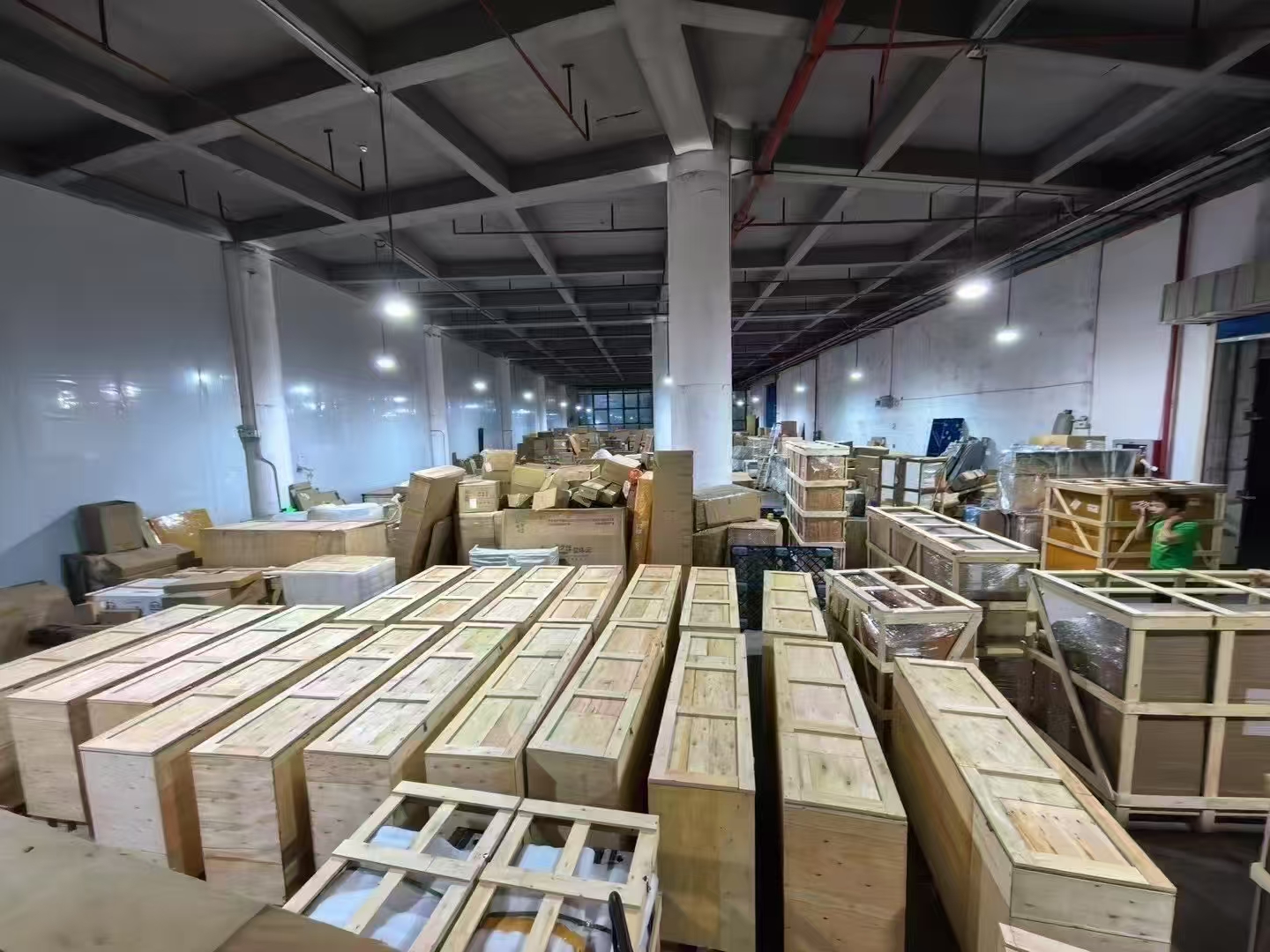
Specific Scenario: The seller usually orders a large shipment of furniture every quarter. The new requirements may demand more detailed information about the materials used in the furniture, such as the type of wood and its origin. They'll also need to provide more accurate measurements and weights. Problem Encountered: Gathering this information can be difficult, especially if the suppliers in China are not well - organized. The seller may have to send additional requests to their suppliers, which can cause delays in the manifest filing. If the filing is late, the shipment may be held at the Port of Melbourne, resulting in storage costs and potential loss of sales. Final Outcome: To mitigate these risks, the seller may need to establish better communication channels with their suppliers. They could also consider working with a logistics provider like [奥飞国际物流] that has experience in handling complex manifest filings. [奥飞国际物流] can help the seller collect and verify the necessary data, ensuring timely and accurate submissions.
2. 3C Electronics Sellers
A 3C electronics seller in Brisbane imports smartphones, laptops, and other electronic devices. The potential changes in 2026 could have a significant impact on their operations.
Specific Scenario: The ABF may require more detailed information about the components of the electronic devices, such as the source of the microchips and the software used. They may also demand information about the environmental impact of the products. Problem Encountered: Obtaining this information can be a headache, as electronics manufacturers often have complex supply chains. The seller may face difficulties in getting the required data in a timely manner, which can lead to customs clearance issues. Final Outcome: By partnering with [奥飞国际物流], the 3C electronics seller can benefit from the company's expertise in dealing with electronics imports. [奥飞国际物流] has access to a network of suppliers and can help the seller gather the necessary data. They can also provide guidance on complying with the new environmental requirements.
V. How to Prepare for 2026
1. Strengthen Supplier Relationships
Build closer relationships with your suppliers in China. Communicate the potential changes in freight manifest filing to them and work together to ensure that you can obtain all the necessary information in a timely manner.
2. Invest in Technology
Consider investing in software or systems that can help you manage and submit freight manifests electronically. This will not only improve efficiency but also reduce the risk of errors.
3. Seek Professional Help
Work with a reliable logistics provider like [奥飞国际物流]. They have the experience and expertise to navigate the complex world of cross - border logistics. They can handle all aspects of the manifest filing process, from data collection to submission, ensuring compliance with the new requirements.
VI. FAQ
1. What if I can't gather all the information required for the freight manifest on time?
It's critical to try your best to meet the deadlines. However, if you're facing difficulties, reach out to a logistics provider as soon as possible. [奥飞国际物流], for example, can often step in and work with your suppliers to gather the missing data. They may also be able to negotiate with the ABF to get an extension if there are valid reasons for the delay.
2. How much will it cost to invest in the technology for electronic manifest filing?
The cost can vary depending on the complexity of the system you choose. Some basic software may be relatively inexpensive, but more advanced solutions with features like data verification and integration with other business processes can be pricier. [奥飞国际物流] can provide some guidance on affordable technology options that suit your business needs.
3. Will the new freight manifest filing requirements apply to all types of imports?
In general, yes. The ABF wants to have better control over all goods entering Australia. However, the level of detail required may vary depending on the type of goods. For example, high - risk items like chemicals may have more stringent requirements compared to low - risk items like clothing.
4. Can I still use paper - based manifests in 2026?
It's likely that the trend will be towards digital filing. While the ABF may not completely ban paper - based manifests in 2026, they may impose additional fees or processing times for using them. It's advisable to start transitioning to electronic filings as soon as possible.
5. How can [奥飞国际物流] help me with freight manifest filing?
[奥飞国际物流] has a team of experts who are well - versed in the latest customs regulations. They can help you collect, verify, and submit accurate freight manifests. They'll also keep you updated on any policy changes and guide you through the entire process, ensuring a smooth and hassle - free customs clearance experience for your imports.