


I. Introduction
Shipping heavy furniture to Australia can be a headache for many Australian small business owners, importers, and e - commerce sellers. In 2024, I had a client who was an apparel importer planning to ship some large - scale display furniture to Sydney. Little did he know what awaited him in the complex process of heavy furniture shipping. He ended up facing unexpected delays, high costs, and even some damage to the furniture. With the new policies coming into effect in 2026, such as the 2026 Australia ABF (Australian Border Force)新政 changes in customs regulations and stricter bio - security requirements, the process has become even more challenging. So, let's dig into how you can avoid these pitfalls.
II. Pitfall 1: Inadequate Packaging
The Problem Consequence Improper packaging is a top risk when shipping heavy furniture. I've seen too many cases where furniture arrives at the Port of Melbourne all scratched, dented, or even broken. The shipping journey is long and rough, with multiple handling points. If the furniture isn't well - protected, it won't withstand the voyage. For example, a home goods seller once shipped a set of wooden dining tables and chairs from China. Due to poor packaging, the tables arrived with large scratches and the chairs had loose joints, which was a huge loss for the business.The Solution For heavy furniture, use high - quality packaging materials. Bubble wrap is great for cushioning, and wooden crates provide structural support. For instance, if you're shipping a large, heavy sofa, it should first be wrapped in thick bubble wrap, then placed in a custom - made wooden crate. Also, it's essential to fill any empty spaces in the crate with packing peanuts or foam to prevent movement during transit.
III. Pitfall 2: Ignoring Customs and Bio - security Regulations (Deep - Dive, 40% of the Article)
The Problem Consequence Customs and bio - security regulations in Australia are strict, especially for heavy furniture. In 2026, the ABF has tightened its rules even more. Failure to comply can lead to hefty fines, long - term storage fees at the port, and even the destruction of your goods. A trade factory once shipped a batch of antique wooden furniture to Brisbane without proper pre - treatment and documentation. The Australian Department of Agriculture, Fisheries and Forestry (DAFF) identified pests in the wood and seized the entire shipment. The factory not only lost the goods but also had to pay for the inspection and disposal costs.The New Regulations in 2026 Customs Valuation: The valuation of your heavy furniture for customs purposes has become more detailed. You need to provide accurate invoices that show the cost of the furniture, shipping fees, and any insurance. Incorrect valuation can lead to under - or over - payment of duties, both of which are problematic.
Bio - security Checks: All wooden furniture must now be treated to meet biosecurity standards. This might involve heat treatment or fumigation. You'll also need to provide a phytosanitary certificate, which proves that the wood is free from pests and diseases.
How to Comply First, educate yourself about the regulations or hire a professional customs broker. A customs broker can handle all the paperwork and ensure that your shipment meets all the requirements. For example, they can help you fill out the correct HS codes for your furniture, which are used by customs to classify goods and determine the appropriate duty rate. Also, work closely with your suppliers to ensure that they follow the necessary treatment procedures for wooden furniture.
IV. Pitfall 3: Wrong Shipping Method Selection
The Problem Consequence Choosing the wrong shipping method can result in high costs and long delivery times. For example, if you choose air freight for very heavy furniture, the cost can be prohibitive. On the other hand, if you choose slow - moving sea freight when you need the furniture urgently, it can disrupt your business operations. An electronics seller once needed to ship a large amount of heavy display cabinets to Sydney quickly for a new product launch. They chose sea freight to save costs, but the shipment arrived two weeks late, and they missed out on a lot of potential sales.The Solution Assess your needs carefully. If you need the furniture quickly and can afford the cost, air freight might be a good option. For less urgent shipments, sea freight is more cost - effective. There are different types of sea freight, such as FCL (Full Container Load) and LCL (Less than Container Load). If you have a large amount of furniture, FCL is usually better as you have the whole container to yourself, which reduces the risk of damage. If you have a small amount of furniture, LCL can be a more economical choice, but be aware that the handling process might be more complex.
V. Pitfall 4: Poor Shipping Company Selection
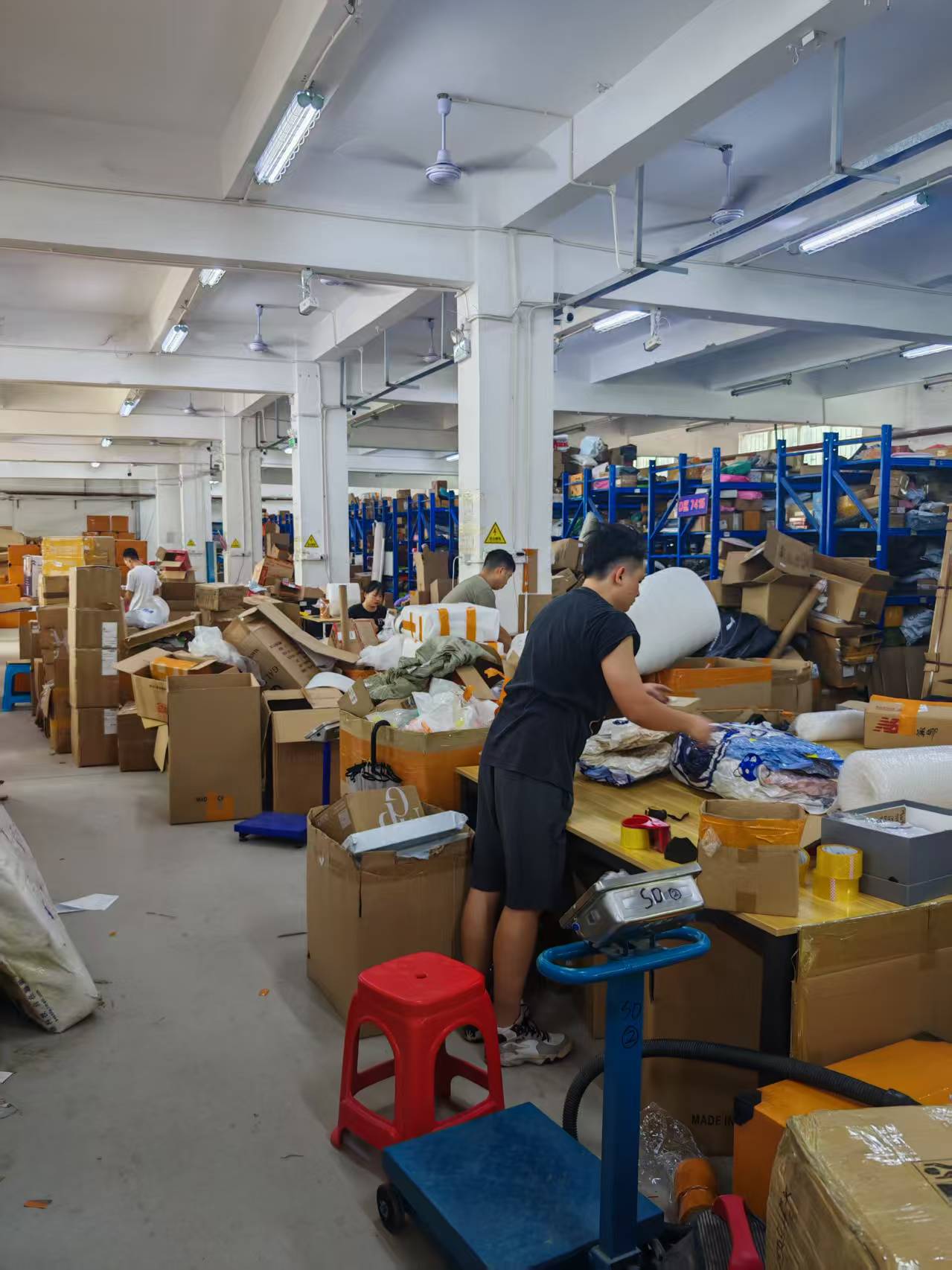
The Problem Consequence Opting for an unreliable shipping company can lead to a host of problems, including lost shipments, damaged goods, and poor communication. One time, an apparel importer hired a small, unknown shipping company to ship some heavy racks to Melbourne. The company had a reputation for being disorganized, and the racks were lost in transit. The importer had to go through a long and frustrating process to try and locate the goods, and in the end, they ended up having to replace the racks at their own cost.The Solution Do your research. Look for a shipping company with a good track record in shipping heavy furniture to Australia. Check online reviews, ask for references, and compare prices. A company like 奥飞国际物流 has been in the business for 12 years, specializing in the China - Australia route. They have a professional team that can handle the entire shipping process, from packaging to customs clearance. They also offer a range of services, such as free storage for up to 365 days and free packaging consolidation.
VI. FAQ
Q: How long does it usually take to ship heavy furniture from China to Australia? A: It depends on the shipping method. Air freight usually takes around 3 - 5 days, while sea freight can take anywhere from 14 to 35 days. For example, if you choose a direct shipping route by sea from Shanghai to Sydney, it might take roughly 18 days. However, factors like bad weather and port congestion can cause delays.Q: Do I need insurance for shipping heavy furniture? A: It's highly recommended. Shipping heavy furniture involves risks, such as damage during transit. Insurance can provide you with peace of mind and financial protection. Some shipping companies, like 奥飞国际物流, offer insurance options, and they can help you calculate the appropriate insurance amount based on the value of your furniture.
Q: Can I ship used heavy furniture to Australia? A: Yes, but there are additional requirements. You need to ensure that the used furniture is clean and free from pests and diseases. You may also need to provide a detailed description of the furniture's origin and history. The customs and biosecurity authorities will inspect the furniture more closely to ensure compliance.
Q: What if my furniture fails the customs inspection? A: If your furniture fails the customs inspection, it could be because of non - compliance with regulations, such as incorrect documentation or biosecurity issues. In such cases, you'll be notified by the authorities. You may need to rectify the problem, which could involve providing additional information, treating the furniture, or paying fines. Sometimes, if the problem is severe, the furniture may be seized or destroyed.
Q: Can I track my heavy furniture shipment? A: Most reliable shipping companies, including 奥飞国际物流, offer tracking services. You can usually track your shipment through their online platforms. This allows you to know the status of your furniture at any time, such as its current location and estimated delivery time.
When shipping heavy furniture to Australia in 2026, keep in mind all these potential pitfalls and solutions. By being well - prepared and making informed decisions, you can ensure a smooth and successful shipping process.