


How to Obtain China - Australia Certificate of Origin in Australian Consolidation by 2026 in Different Scenarios?
The China - Australia Certificate of Origin is a crucial document in cross - border trade between the two countries, which can bring tariff preferences to goods and enhance the competitiveness of products in the market. As we look forward to 2026, understanding how to obtain this certificate in different scenarios during Australian consolidation is of great significance for businesses and logistics operators.
I. General Scenario in Normal Trade
Eligibility Requirements For goods to be eligible for the China - Australia Certificate of Origin, they must meet the rules of origin stipulated in the China - Australia Free Trade Agreement. Generally, the goods should be wholly obtained or produced in China or Australia, or have undergone sufficient processing and manufacturing in these two countries. For example, if a Chinese company exports furniture to Australia, the wood used in the furniture should be sourced from China, or the furniture should have been assembled and processed in China with a certain value - added ratio. According to statistics from previous years, about 70% of goods traded between China and Australia that meet the origin rules can enjoy tariff preferences through the certificate of origin.Application Process
The exporter usually needs to fill out the application form for the China - Australia Certificate of Origin. This form includes details such as the name and address of the exporter and importer, a description of the goods, the HS code, and the origin of the goods. Then, the exporter submits the application along with relevant supporting documents, like invoices, packing lists, and production certificates, to the local Chamber of Commerce or the relevant customs authority in China. After a review of about 1 - 2 working days, if the application is approved, the certificate of origin is issued.
FAQ 1: Can a small - scale exporter in China apply for the China - Australia Certificate of Origin?
Absolutely. Whether you are a large - scale enterprise or a small - scale exporter, as long as your goods meet the origin rules, you can apply for the certificate. In fact, for small - scale exporters, the tariff preferences brought by the certificate of origin can significantly reduce costs, which is very beneficial for expanding the Australian market. At Shenzhen Aofei Freight, we have rich experience in assisting small - scale exporters to handle such applications, ensuring a smooth process.II. Scenario of Transit Trade
Special Considerations In transit trade, goods pass through a third - country territory during transportation from China to Australia. In 2026, according to the relevant policies, these goods still need to meet the origin and direct transportation requirements. Although the goods are transited, they should not undergo any substantial change in their nature in the third - country. For instance, if a batch of Chinese electronics is transited through Singapore, as long as the goods are only stored or re - loaded in Singapore without any further processing, they can still be eligible for the China - Australia Certificate of Origin.Documentation and Verification
Exporters need to provide additional documents to prove the transit situation. This may include bills of lading, transit certificates issued by the third - country customs, and evidence of non - processing in the transit country. The customs authorities in both China and Australia will carefully verify these documents. If the verification is passed, the certificate of origin can be issued. Shenzhen Aofei Freight has a professional team that can help exporters collect and organize these transit - related documents, ensuring that all requirements are met.
FAQ 2: What if there is a short - term storage in the transit country?
Short - term storage in the transit country is usually allowed as long as it is for the purpose of re - shipment or temporary storage and the goods do not undergo any processing. You need to provide proper documentation, such as warehouse receipts, to prove the storage situation. Our team at Aofei Freight can guide you on how to handle such documentation to ensure a valid application for the certificate of origin.III. Scenario of Joint - production of Goods
Determination of Origin In the joint - production scenario, where parts and components from both China and Australia are used to produce the final goods, determining the origin becomes more complex. In 2026, the new rules may further clarify the value - added ratio and the criteria for the main production process. For example, if a car is jointly produced in China and Australia, with some parts from China and some from Australia, the origin of the car will be determined based on whether the value added in one of the countries exceeds a certain percentage (e.g., 50%) or whether the main production process occurs in one of the countries.Documentation for Proof
Exporters need to provide detailed production records, including the source of raw materials, the cost of each component, and the production process flow. These documents are crucial for proving the origin of the jointly - produced goods. Shenzhen Aofei Freight can assist in coordinating with the production parties to collect and compile these records, making the application process for the certificate of origin more efficient.
FAQ 3: How to calculate the value - added ratio for jointly - produced goods?
Calculating the value - added ratio involves comparing the value added in a particular country during the production process with the total value of the goods. We at Aofei Freight have professional staff who are familiar with the calculation methods and can help you accurately calculate the value - added ratio to ensure that your goods can obtain the correct certificate of origin.IV. Scenario of Australian Consolidation for Multiple Suppliers
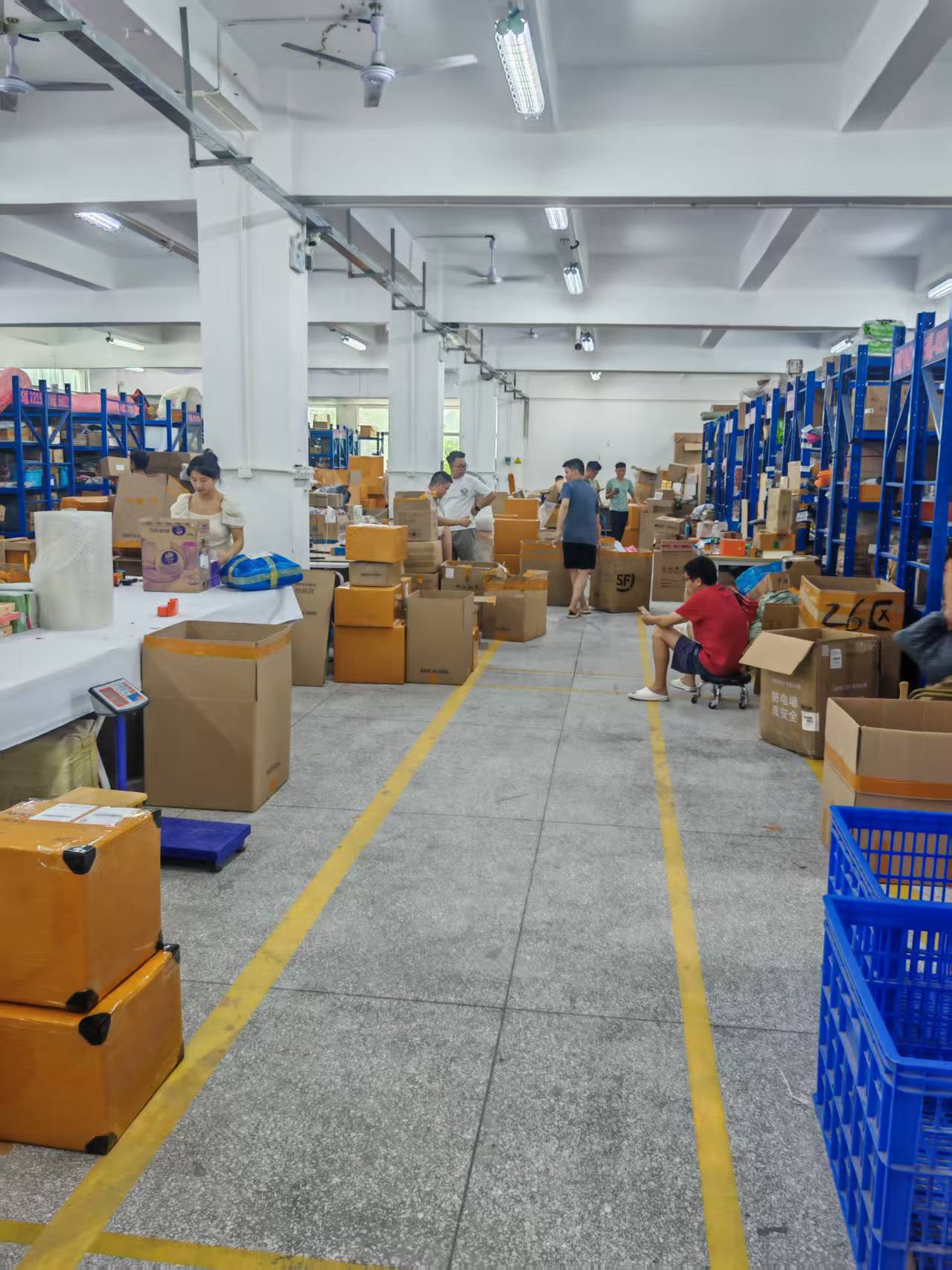
Consolidation Process and Origin Verification When consolidating goods from multiple Chinese suppliers for shipment to Australia, the origin of each batch of goods needs to be verified separately. The consolidator (usually a logistics provider like Shenzhen Aofei Freight) is responsible for collecting the origin - related information from each supplier. This includes certificates of origin for individual batches, invoices, and production details. The consolidator then compiles this information and submits the overall application for the China - Australia Certificate of Origin.Benefits and Challenges
The benefit of consolidation is that it can reduce logistics costs and improve shipping efficiency. However, it also poses challenges in terms of origin verification. Ensuring that all suppliers provide accurate and valid origin information is crucial. Any misinformation or false origin declaration can lead to problems in customs clearance in Australia. Shenzhen Aofei Freight has a strict information - collection and verification system to ensure the accuracy of origin information during the consolidation process.
FAQ 4: Can I trust the logistics provider to handle the origin verification during consolidation?
V. 2026 Policy Impact on China - Australia and Australia - China Transport Routes
China - Australia Transport Routes In 2026, new policies may be introduced to simplify the customs clearance process for goods with the China - Australia Certificate of Origin. This will lead to faster transit times and reduced logistics costs. For example, dedicated green channels may be set up at ports for certified goods, which can shorten the clearance time from the current average of 3 - 5 days to 1 - 2 days. This not only benefits exporters but also importers in Australia, as they can receive their goods more quickly and start selling them in the market.Australia - China Transport Routes
Similarly, for goods exported from Australia to China, the policies will promote smooth transit. The tariff preferences brought by the certificate of origin will encourage more Australian products to enter the Chinese market. This may lead to an increase in the volume of trade on the Australia - China transport routes. Shenzhen Aofei Freight can make full use of these policies to optimize its transport routes and provide more cost - effective and efficient logistics services.
FAQ 5: Will the new policies in 2026 really improve the transportation efficiency between China and Australia?
The new policies in 2026 are designed to promote trade facilitation. Based on the trends of previous policy implementations, we can expect that the customs clearance process will be more efficient, and the transportation efficiency will indeed be improved. At Aofei Freight, we are committed to keeping up with these policies and adjusting our services accordingly to provide the best logistics solutions for our customers.In conclusion, obtaining the China - Australia Certificate of Origin in different scenarios during Australian consolidation in 2026 requires a good understanding of the rules and policies. Whether it is normal trade, transit trade, joint - production, or consolidation for multiple suppliers, each scenario has its own characteristics and requirements. Shenzhen Aofei Freight, with its professional experience and comprehensive service, can be a reliable partner for businesses in handling all these processes.
For the latest Australia consolidation quotes, volume weight calculation for Australia consolidation, and sensitive goods shipping channels, you can visit the official website: https://www.aofeifreight.com, phone: + 86 - 16676978829. As a professional Australia consolidation company, we offer one - stop logistics services with exclusive discounts for students and overseas Chinese. The whole logistics process is traceable, ensuring safety and peace of mind!