


In the dynamic world of Australia freight, understanding the after - sales compensation standards in various scenarios for 2026 is crucial for both shippers and logistics providers. After all, uncertainties are inevitable in the shipping process, and proper compensation policies can provide a safety net. Let's dig into this topic.
I. Loss of Goods
1. Quantitative Loss
When it comes to the loss of goods during transit, the compensation is usually based on the declared value of the cargo. For example, if a shipper has declared a value of $10,000 for a shipment of electronics, and these goods are lost before reaching the Australian destination, the typical compensation rate might be around 80 - 90% of the declared value. Some well - established logistics companies like Aofei Freight have a solid track record of handling such cases. In 2022, a client shipping high - end cameras to Australia with Aofei faced a loss during transit. The declared value was $5,000, and Aofei compensated the client with $4,500, which was 90% of the declared value, showing their commitment to customer satisfaction.
2. Partial Loss
In cases of partial loss, say only a few items out of a large shipment are missing. The compensation will be calculated according to the proportion of the lost items in the total value of the shipment. If a shipment of furniture worth $8,000 has one item worth $1,000 missing, the shipper can expect compensation based on the value of that missing piece, usually with some deductions for factors like shipping costs already incurred. As of 2026, shipping regulations between China and Australia might enhance the protection for shippers in partial - loss situations, ensuring a fairer compensation system.
FAQ: How can I ensure that I get the best compensation for goods loss?
Based on my experience, it's vital to accurately declare the value of your goods when shipping. Also, choose a reliable logistics partner like Aofei Freight. They have clear procedures for handling loss claims and a history of providing reasonable compensation.II. Damage to Goods
1. Minor Damage
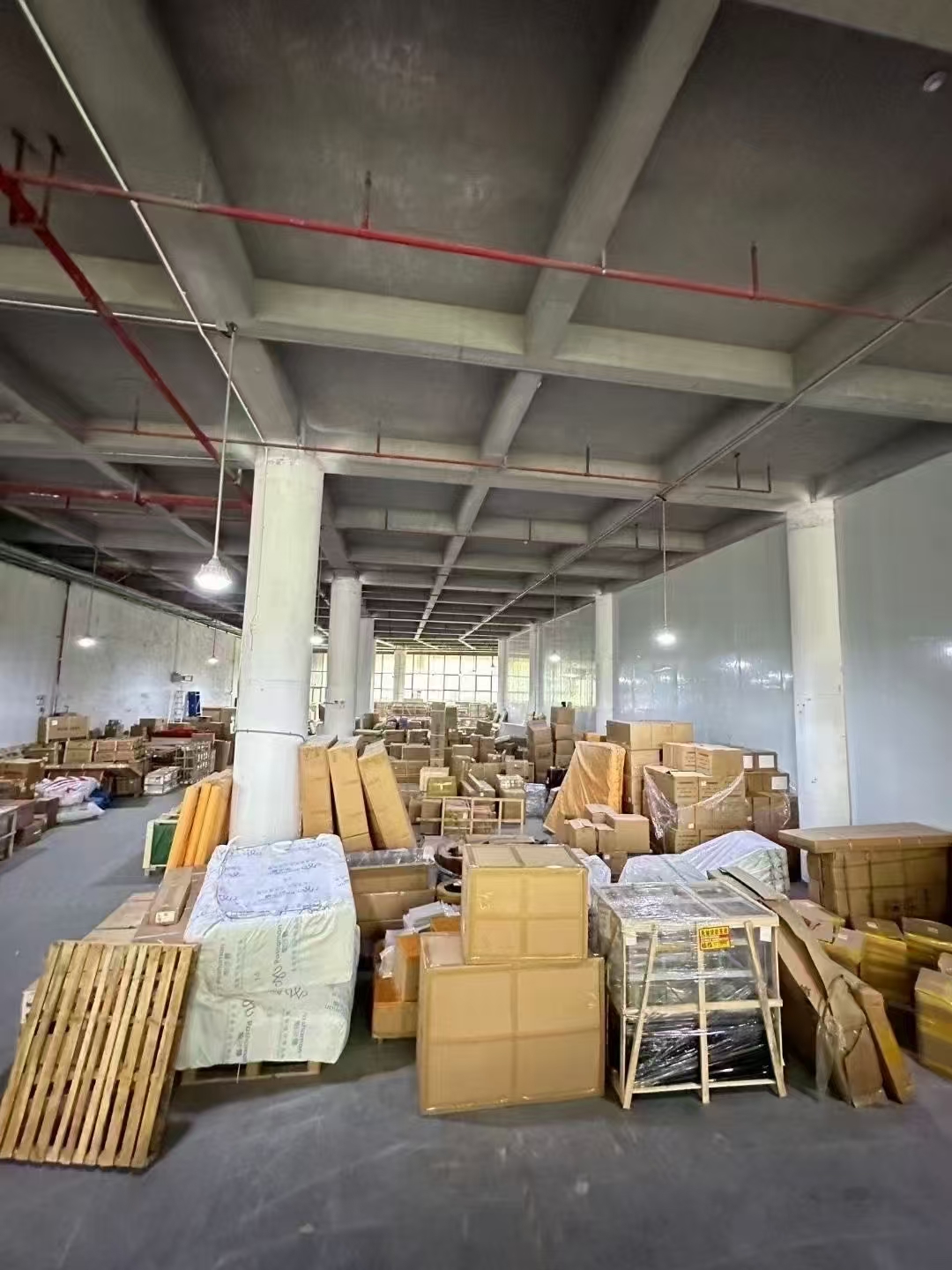
For minor damage to goods, such as a small scratch on a piece of furniture or a dent on a metal product, the compensation will often cover the cost of repair. Let's take the furniture example again. If a coffee table has a small scratch during shipping, and the repair cost is estimated to be $200, the logistics company should reimburse this amount. Aofei Freight offers a free inspection service for incoming goods, which helps in identifying any pre - shipping damage and distinguishing it from damage that occurs during transit, making the compensation process more straightforward.
2. Severe Damage
When goods suffer severe damage, like a shattered glassware set or a completely broken electronic device, the compensation is usually close to the full value of the damaged items. However, deductions might be made for the salvage value of the damaged goods. For instance, if a shipment of glass vases worth $3,000 is severely damaged, and the salvage value of the broken pieces is estimated to be $200, the compensation will be around $2,800.
FAQ: What should I do if I find my goods are damaged upon arrival in Australia?
First, take clear photos of the damaged goods and the packaging. Then, contact your logistics provider immediately. Companies like Aofei Freight have a 24/7 customer service hotline to handle such matters. They will guide you through the claiming process and ensure a timely solution.III. Delayed Delivery
1. Short - term Delay
If the delivery is delayed for a short period, say within a week, the logistics company might offer a small discount on future shipments as compensation. For example, a 10% discount on the next shipment. This encourages the shipper to continue using their services. In 2025, due to some unforeseen weather conditions, a shipment from China to Australia with Aofei was delayed by three days. Aofei offered a 15% discount on the client's next shipment, which was a pleasant surprise for the client.
2. Long - term Delay
When the delay extends beyond a week, the compensation can be more substantial. It might include a refund of a portion of the shipping cost, depending on the length of the delay. For a delay of two weeks or more, a 20 - 30% refund of the shipping cost is possible. According to the emerging policies in 2026 for the China - Australia and Australia - China transport routes, there will be stricter regulations on delivery timelines, and more favorable compensation for shippers in case of long - term delays.
FAQ: How can I avoid delayed deliveries?
Opt for a logistics provider with a good reputation for on - time delivery, like Aofei Freight. They have well - established transportation routes and a professional team to manage potential disruptions, minimizing the risk of delays.IV. Incorrect Delivery
1. Delivered to the Wrong Address
If the goods are delivered to the wrong address, the logistics company is responsible for retrieving the shipment and delivering it to the correct destination. In addition, they might offer a discount on the shipping cost as an apology. For example, if a package of books meant for a university student in Sydney is wrongly delivered to Melbourne, the company will arrange for it to be sent to Sydney and may offer a 15% discount on the shipping fee.
2. Delivered Incorrect Items
When the wrong items are delivered, the logistics company has to pick up the incorrect items and deliver the right ones. They may also provide compensation for any inconvenience caused. This could be in the form of a small gift card or a discount on future services.
FAQ: What if I receive the wrong items?
Let your logistics provider know right away. At Aofei Freight, they have efficient processes to handle such mistakes. They will quickly arrange for the correct delivery and offer appropriate compensation for the inconvenience.V. Customs - related Issues
1. Goods Seized by Customs
If goods are seized by Australian customs due to non - compliance with regulations, the compensation situation is more complex. If the shipper was not informed properly about the regulations by the logistics company, the company might bear a certain proportion of the loss. For example, if a shipment of food products without proper labeling is seized, and the logistics company failed to provide clear customs requirements, they could be liable for 30 - 50% of the value of the seized goods.
2. Excessive Customs Duties
Sometimes, due to incorrect customs declarations or other issues, shippers may end up paying excessive customs duties. In such cases, if the error is on the part of the logistics company, they should reimburse the excess amount paid. Aofei Freight has a team of customs experts to ensure accurate declarations and minimize the risk of such issues.
FAQ: How can I avoid customs - related problems?
Work with a logistics company that has in - depth knowledge of Australian customs regulations. Aofei Freight has years of experience in the China - Australia shipping route and can provide comprehensive guidance to ensure smooth customs clearance.In the ever - evolving landscape of Australia freight, staying informed about the after - sales compensation standards in different scenarios for 2026 is essential. Whether you're a small - scale shipper sending personal items or a large business shipping bulk goods, understanding these standards can protect your interests. And if you're looking for a reliable logistics partner for your Australia shipments, consider Aofei Freight. Their experience, range of services, and commitment to customer satisfaction make them a top choice.
Latest quotes for Australia consolidation, volume weight calculation for Australia consolidation, and channels for mailing sensitive goods can be found by visiting the official website: https://www.aofeifreight.com, phone: + 86 - 16676978829. A professional Australia consolidation company offers one - stop logistics services, exclusive discounts for international students and overseas Chinese, and full - track logistics information, ensuring safety and peace of mind!