


In 2026, the food special lines for Australia freight consolidation have witnessed significant changes and developments, catering to diverse needs in different scenarios. Let's start by understanding the importance of these special lines. Food is a sensitive commodity in international shipping, with strict regulations and requirements for transportation. Australia, with its high - standard food safety and import regulations, demands special attention when it comes to food freight consolidation.
I. Types of Food Special Lines in 2026
1. Fresh Food Special Line
This line is designed for the transportation of perishable items such as fruits, vegetables, dairy products, and fresh meat. For example, in 2026, the volume of fresh fruits exported from China to Australia via the fresh food special line reached approximately 50,000 tons. The transportation process requires strict temperature control. Refrigerated containers are used, and the temperature inside is maintained at a specific range according to the type of food. For instance, fresh strawberries need to be kept at around 0 - 2°C during transit.
2. Processed Food Special Line
Processed foods like canned goods, snacks, and instant noodles fall into this category. These products have a relatively longer shelf - life compared to fresh foods. In 2026, the value of processed food exports from China to Australia through this special line was about $200 million. They can be transported in regular containers, but still, proper storage conditions are needed to prevent damage during transit.
3. Beverage Special Line
This includes alcoholic and non - alcoholic beverages. The shipping of beverages requires special handling due to the risk of breakage. In 2026, around 1 million cases of wine and 2 million cases of soft drinks were shipped from China to Australia via the beverage special line. Special packaging materials such as shock - absorbing foams and sturdy crates are used to ensure the safety of the products during transportation.
II. Differences in Various Scenarios
1. Regular Business Scenario
In a regular business scenario, the primary concern is efficiency and cost - effectiveness. For processed food and some durable beverages, shippers usually choose the most economical shipping routes. For example, shipping a 20 - foot container of processed snacks from Shenzhen to Sydney on the processed food special line can cost around $3000 - $4000, depending on market fluctuations. The transit time is typically around 15 - 20 days.
2. Festival - Season Scenario
During festival seasons, such as Chinese New Year or Christmas, the demand for certain foods surges. For fresh food special lines, the focus shifts to speed. For instance, during the Chinese New Year, the shipping of fresh seafood from China to Australia may use air - freight options in addition to sea - freight. The cost may increase significantly, with air - shipping a small batch of fresh crabs costing around $100 per kilogram, but the transit time can be reduced to just 1 - 2 days.
3. Emergency Supply Scenario
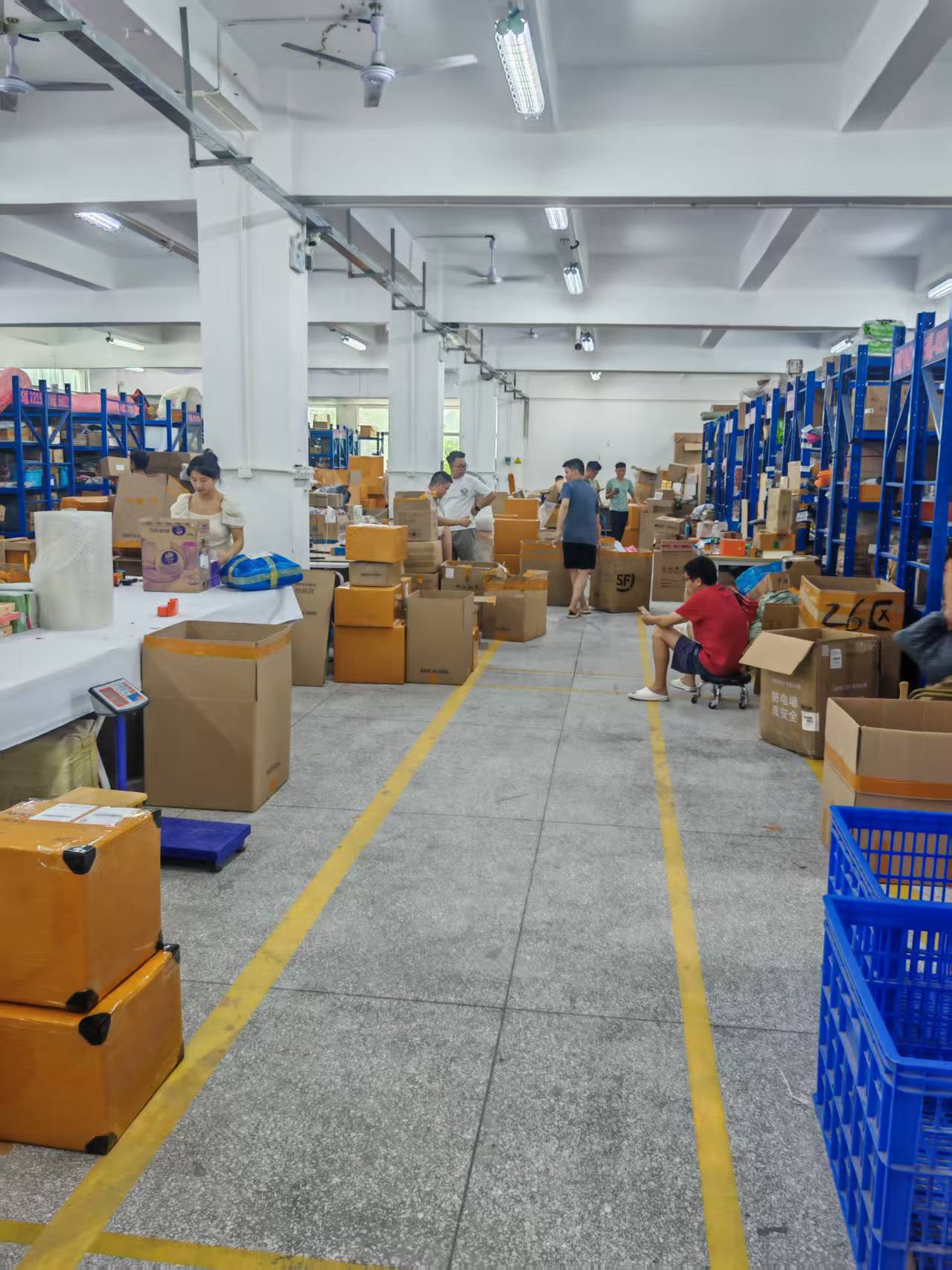
In case of natural disasters or other emergencies in Australia, the food special lines need to ensure rapid delivery of essential food items. The government may prioritize the transportation of basic food supplies such as rice, flour, and canned food. Special arrangements are made to expedite the customs clearance process. For example, in the event of a flood in a certain area of Australia, the processed food special line can deliver a large quantity of canned food within a week, with the government providing support to reduce bureaucratic procedures.
III. The Role of Australia - China and China - Australia Transport Routes Policies in 2026
1. China - Australia Policies
In 2026, China introduced more favorable policies for food exports to Australia. For example, some inspection procedures were simplified for certified export food manufacturers. This has led to a 15% increase in the volume of food exported from China to Australia through the special lines. Additionally, the government provided subsidies for shippers using the fresh food special line to encourage the export of high - quality agricultural products.
2. Australia - China Policies
Australia, on the other hand, tightened its food safety inspection requirements. However, it also established a fast - track mechanism for food imports from China that meet certain standards. This has improved the efficiency of food imports, especially for processed foods. The new policy has reduced the average customs clearance time for processed food imports from 7 days to 3 days.
IV. FAQ
1. Can I ship all types of food to Australia via these special lines?
Not all types of food can be shipped. Australia has strict regulations on food imports to protect its local ecosystem and public health. For example, foods containing certain types of seeds or herbs that are considered invasive species are prohibited. At Shenzhen Ao Fei Freight, we have a professional team that can help you check whether your food product is eligible for shipping.
2. How much does it cost to use the food special line?
The cost varies depending on the type of food, volume, shipping method, and destination. For example, fresh food usually costs more due to the need for temperature - controlled transportation. At Shenzhen Ao Fei Freight, we offer competitive prices and can provide you with a detailed quote based on your specific requirements.
3. What is the transit time for food special lines?
The transit time depends on various factors such as shipping method, route, and customs clearance. Sea freight for processed food usually takes around 15 - 20 days, while air freight for fresh food can be as fast as 1 - 2 days. We at Shenzhen Ao Fei Freight strive to ensure the shortest transit time possible for our customers.
4. Are there any special packaging requirements for food shipping to Australia?
Yes, there are. For fresh food, the packaging needs to be well - insulated to maintain the proper temperature. For beverages, shock - absorbing materials are required to prevent breakage. Our team at Shenzhen Ao Fei Freight can guide you on the appropriate packaging to meet Australian import requirements.
5. How can I track my food shipment?
At Shenzhen Ao Fei Freight, we provide a real - time tracking service. You can track your shipment through our official website using the tracking number provided. This way, you can stay informed about the status and location of your food throughout the shipping process.
Get the latest quotes for Australia freight consolidation, calculate the volumetric weight, and find the best channels for sensitive goods at the official website: https://www.aofeifreight.com. Call us at + 86 - 16676978829. As a professional Australia freight consolidation company, we offer one - stop logistics services with exclusive discounts for international students and overseas Chinese. Track your logistics journey with ease and enjoy a secure and worry - free experience!