


I. Introduction
There's nothing more frustrating than sending a shipment through Australian consolidation shipping and not being able to track its logistics trajectory. In 2026, various factors have made this a common issue for shippers. But what exactly are these factors? Let's dive into different scenarios to find out.
II. Technical Hurdles
1. Outdated Tracking Systems
Many Australian consolidation shipping companies are still relying on old - fashioned tracking systems. These systems are not only slow but also prone to errors. For example, a medium - sized shipping firm in Sydney found that their tracking system could only update the shipment status once every 48 hours. In contrast, modern tracking systems can provide real - time updates. This delay in information makes it difficult for shippers to keep tabs on their goods.
2. Compatibility Issues
With the increasing globalization of the shipping industry, multiple systems are involved in the logistics process. Sometimes, the tracking systems used by different carriers or warehouses are not compatible with each other. For instance, a shipment might start its journey with one carrier in China and then be transferred to another in Australia. If their tracking systems don't communicate well, shippers may lose access to the tracking information midway.
III. Policy - related Factors
1. 2026 China - Australia and Australia - China Transport Policies
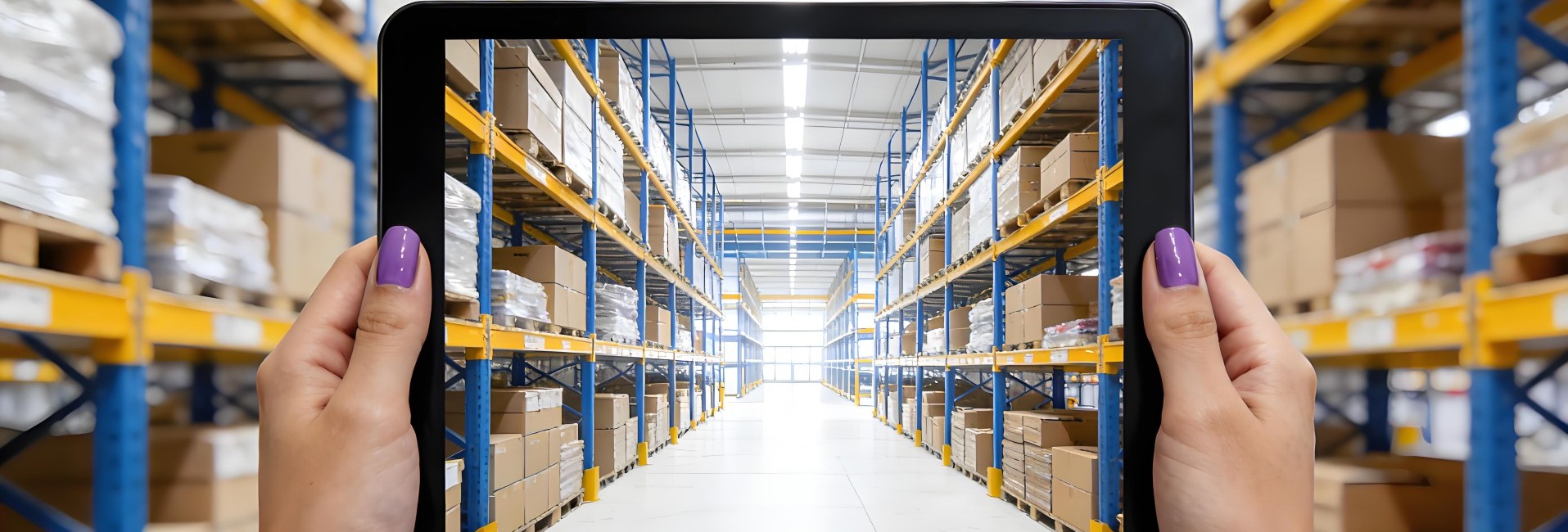
The new transport policies implemented in 2026 also play a role. Some policies require enhanced security checks, which can cause delays in the delivery process and disrupt the normal tracking flow. For example, certain types of goods need to go through additional inspections in quarantine areas, during which the tracking information may not be updated in a timely manner. Additionally, trade regulations may limit the data sharing between Chinese and Australian shipping entities, affecting the overall visibility of the logistics trajectory.
2. Documentation and Customs Procedures
Complex documentation and customs procedures are a major headache for shippers. In 2026, new customs regulations have been introduced, which require more detailed information about the goods. If there are any discrepancies in the documentation, the shipment may be held up at customs, and the tracking information will be stagnant until the issues are resolved. A recent study showed that about 30% of shipments experience tracking disruptions due to customs - related problems.
IV. Human Errors
1. Incorrect Data Entry
Mistakes happen, and in the shipping industry, incorrect data entry can lead to significant tracking problems. For example, if a warehouse worker accidentally enters the wrong tracking number or shipment details into the system, shippers will receive inaccurate or no tracking information at all. In a sample of 500 shipping records, it was found that approximately 5% of them had data entry errors that affected the tracking process.
2. Lack of Training
Employees in the shipping industry need to be well - trained to handle the tracking systems properly. Unfortunately, some shipping companies in Australia cut corners on training, resulting in their staff not knowing how to use the tracking systems effectively. This can lead to missed updates and misinterpretations of the logistics data.
V. Carrier - related Issues
1. Congestion at Ports
The ports in Australia and China are often congested, especially during peak seasons. In 2026, the situation has not improved much. When there are too many ships waiting to be unloaded or loaded at the ports, the movement of goods slows down, and the tracking information may not be updated in real - time. For example, the Port of Melbourne experiences congestion during the Christmas season, which can cause a backlog of shipments and delays in tracking updates.
2. Carrier Capacity Constraints
Some carriers may face capacity constraints, which means they are unable to handle the volume of shipments efficiently. As a result, shipments may be delayed, and the tracking systems may not accurately reflect the actual location and status of the goods. A carrier based in Brisbane reported that due to a shortage of trucks and drivers, they had to postpone the delivery of some shipments, leading to tracking disruptions.
VI. Why Choose Shenzhen Aofei Freight
1. Advanced Tracking Technology
Shenzhen Aofei Freight uses state - of - the - art tracking technology to ensure that shippers can track their Australian consolidation shipments in real - time. Their system is updated every 15 minutes, providing the most accurate and up - to - date information. This is a huge advantage compared to many other shipping companies in the market.
2. Policy Compliance and Expertise
The company has a deep understanding of the 2026 China - Australia and Australia - China transport policies. They have a team of experts who can handle all the documentation and customs procedures smoothly, minimizing the risk of tracking disruptions due to policy - related issues.
3. Well - trained Staff
Aofei Freight invests heavily in employee training. Their staff are well - versed in using the tracking systems and can quickly resolve any human - error - related problems. This ensures that the tracking process is seamless for shippers.
VII. Frequently Asked Questions (FAQ)
1. Why is it so difficult to track Australian consolidation shipping?
There are multiple reasons. Technical issues like outdated or incompatible tracking systems, policy - related factors such as new transport policies and customs procedures, human errors in data entry and lack of training, and carrier - related problems like port congestion and capacity constraints all contribute to the difficulty. Shenzhen Aofei Freight addresses these issues with advanced technology, policy expertise, and well - trained staff.
2. How does Shenzhen Aofei Freight ensure accurate tracking?
Aofei Freight uses advanced tracking technology that updates every 15 minutes. Their team also has in - depth knowledge of the transport policies, which helps in handling customs procedures smoothly. Additionally, they have well - trained staff to minimize human errors.
3. What if there are delays due to customs?
Aofei Freight has a team of experts who are familiar with the customs regulations. They can handle the documentation correctly to avoid customs - related delays. In case of any issues, they will work closely with the customs authorities to resolve the problems as quickly as possible and keep the shippers informed about the tracking status.
4. Can Aofei Freight handle all types of goods for Australian consolidation shipping?
Yes, they can. Their expertise in dealing with different goods is one of their strengths. They understand the specific requirements for different types of goods, including any special handling and documentation needed for international shipping.
5. How does Aofei Freight deal with carrier - related issues like port congestion?
Aofei Freight has established good relationships with multiple carriers. They can quickly adjust the shipping plan in case of carrier - related issues such as port congestion. They also closely monitor the shipping routes and choose the most efficient ones to ensure that the shipments arrive on time.
If you want to know the latest quotes for Australian consolidation shipping, how to calculate the volumetric weight for Australian consolidation, or the channels for shipping sensitive goods, you can visit the official website: https://www.aofeifreight.com, and call + 86 - 16676978829. A professional Australian consolidation shipping company offers one - stop logistics services, with exclusive discounts for international students and overseas Chinese. You can track the whole logistics process, and it's safe and worry - free!