


Introduction
Shipping from China to Australia, especially Melbourne, has long been a critical artery for bilateral trade. As we look towards 2026, questions arise about its ability to handle various freight scenarios. In this article, we'll explore the capabilities of the China - Australia Melbourne Ocean Shipping Line in the coming year and see if it can truly meet the diverse needs of Australian freight.
I. Current State of the China - Australia Melbourne Ocean Shipping Line
Volume and Frequency Currently, the shipping line between China and Melbourne is bustling. According to industry data, in the past year, there were an average of 15 to 20 weekly sailings from major Chinese ports like Shanghai, Shenzhen, and Ningbo to Melbourne. Each vessel has a capacity ranging from 5,000 TEUs (Twenty - Foot Equivalent Units) to 12,000 TEUs. This high frequency and large - scale shipping capacity ensure a relatively stable flow of goods between the two regions.Types of Goods Shipped The line transports a wide variety of goods. About 40% of the cargo is industrial products, including machinery and equipment from China's manufacturing powerhouses. Consumer goods such as clothing, electronics, and home appliances account for approximately 35%. The remaining 25% consists of raw materials and semi - finished products. This shows its versatility in handling different types of freight.
II. Projected Changes in Australian Freight Scenarios by 2026
Growth of E - commerce The e - commerce market in Australia has been growing steadily. By 2026, it is estimated that the market size will increase by 30% compared to 2023. This means a higher demand for small - parcel and time - sensitive shipments. For example, Chinese e - commerce giants are increasingly targeting the Australian market, and they need reliable shipping services to ensure fast delivery of their products.Infrastructure Development Australia is planning several large - scale infrastructure projects by 2026. These projects will require a significant amount of construction materials, such as steel, cement, and pre - fabricated components. The shipping line will need to accommodate the bulk transportation of these heavy and large - volume items.
III. Can the Shipping Line Adapt to E - commerce - Driven Changes?
Speed and Flexibility One of the key requirements for e - commerce shipments is speed. Currently, the average transit time for the China - Australia Melbourne Ocean Shipping Line is about 18 - 22 days. However, e - commerce customers often expect delivery within 10 - 14 days. Some shipping companies are starting to offer express services with faster vessels, which can reduce the transit time to around 15 days. This is a step in the right direction, but more improvements are needed.Last - Mile Delivery Once the goods arrive in Melbourne, the last - mile delivery is crucial. The shipping line needs to collaborate with local logistics partners to ensure efficient distribution. For instance, in urban areas of Melbourne, leveraging local couriers can help in delivering small parcels to consumers promptly.
IV. Handling Large - Scale Infrastructure - Related Freight
Cargo Capacity and Specialized Equipment The infrastructure projects will demand a large amount of space on the vessels. Shipping companies will need to allocate larger vessels specifically for bulk shipments of construction materials. Additionally, special equipment such as cranes and forklifts capable of handling heavy loads will be required at the ports.Ports and Terminal Capacity Ports in Melbourne need to be prepared for the influx of large - volume cargo. There are plans to expand the existing terminals and improve their handling capacity. For example, the Port of Melbourne is investing in new berths and storage facilities to accommodate the growth in freight traffic.
V. How 2026 Policies Affect the Shipping Line
China - Australia Policies Bilateral policies in 2026 will likely have an impact on the shipping line. For example, if there are more favorable trade agreements, it could lead to an increase in the volume of goods traded between the two countries. On the other hand, any stricter environmental or customs regulations might affect the shipping operations. Some policies may encourage the use of more environmentally friendly vessels, which could increase the cost for shipping companies but also meet the long - term sustainable development goals.Local Australian Regulations Australia has its own set of regulations regarding freight handling, safety, and environmental protection. In 2026, these regulations may become more stringent. Shipping companies will need to ensure compliance with these rules, such as proper waste management on board vessels and meeting emission standards.
VI. The Role of Shenzhen Aofei Freight
Customized Solutions Shenzhen Aofei Freight understands the diverse needs of Australian freight. For e - commerce clients, it can offer customized shipping plans that focus on speed and cost - effectiveness. They can arrange for expedited shipping services and coordinate with local delivery partners in Melbourne to ensure timely last - mile delivery.Handling Infrastructure Freight When it comes to infrastructure - related freight, Aofei Freight has the experience and resources to handle large - volume shipments. They can negotiate with shipping companies for dedicated vessel space and ensure proper loading and unloading of heavy construction materials at the ports.
FAQ
Q: How can I ensure my e - commerce goods are delivered quickly from China to Melbourne in 2026? A: As someone with experience in the industry, you can rely on a professional shipping agent like Shenzhen Aofei Freight. They have connections with shipping companies that offer express services, which can significantly reduce the transit time compared to regular shipping.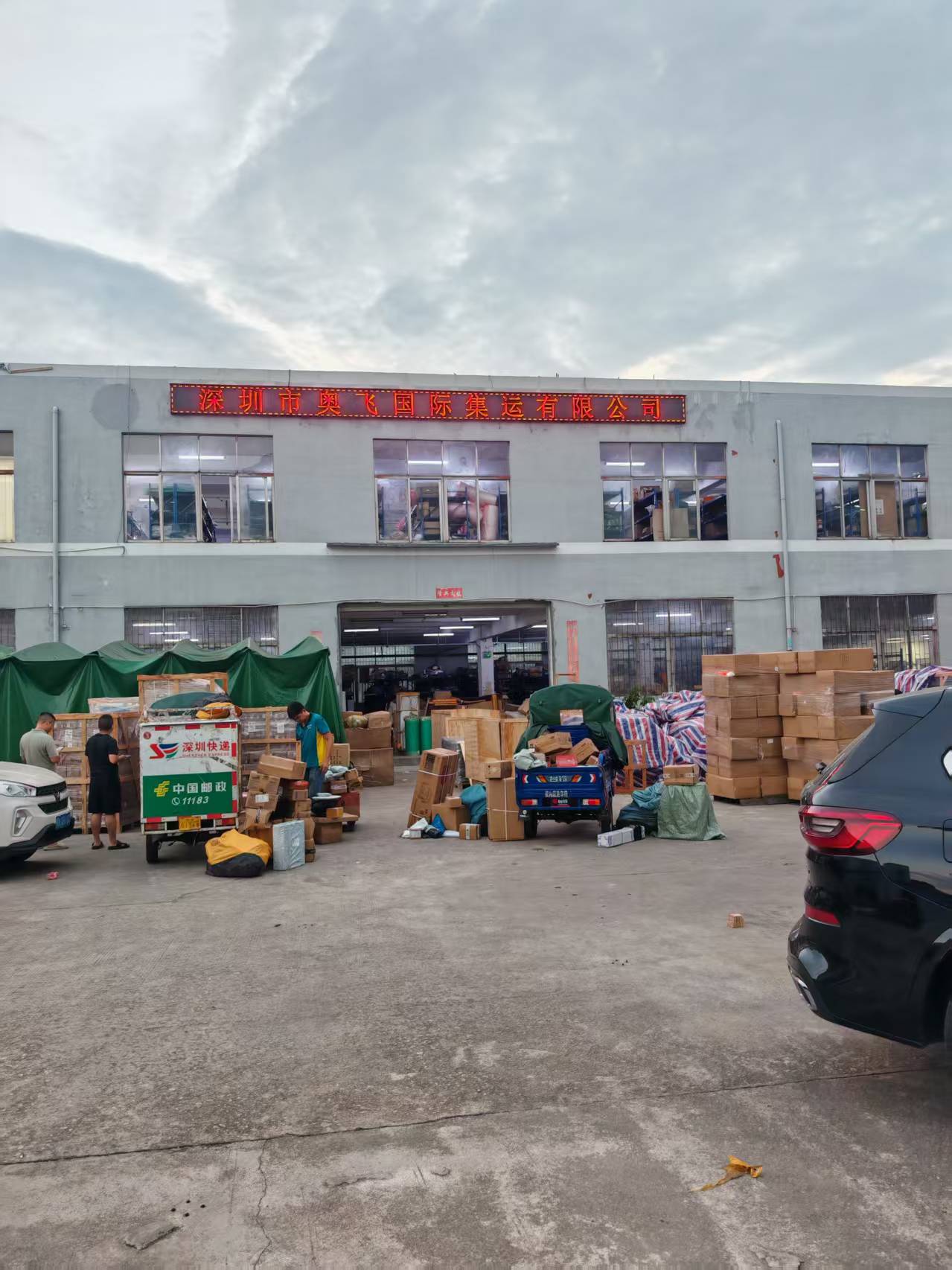
Q: What if the infrastructure - related freight is too heavy for the regular vessels? A: Shenzhen Aofei Freight has the expertise to handle heavy - load shipments. They can arrange for specialized vessels with higher cargo - carrying capacities and work with ports that have the necessary equipment to handle such freight.
Q: How will the 2026 policies affect my shipping costs? A: Policies can have both positive and negative impacts on shipping costs. While some favorable trade agreements may lead to cost savings, stricter environmental or customs regulations could increase costs. Shenzhen Aofei Freight stays updated on these policies and can help you find the most cost - effective solutions.
Q: Can I track my shipment from China to Melbourne? A: Absolutely. Shenzhen Aofei Freight provides a comprehensive tracking system. You can monitor the progress of your shipment from the moment it leaves the Chinese port until it arrives in Melbourne, giving you peace of mind throughout the shipping process.
Q: What if my goods are damaged during shipping? A: Shenzhen Aofei Freight offers insurance options for your shipments. In case of any damage, they will assist you in the claim - filing process and ensure that you get appropriate compensation.
Latest quotes for Australian shipping, calculation of volumetric weight for Australian shipping, and channels for sending sensitive goods can be found at the official website: https://www.aofeifreight.com, phone: + 86 - 16676978829. A professional Australian shipping company offering one - stop logistics services, with exclusive discounts for international students and overseas Chinese. The entire logistics process is traceable, ensuring security and peace of mind!