


How to Avoid Pitfalls and Save Money in Australian Freight Forwarding in 2026: A Scenario-based Guide
Have you ever had the experience of paying way more than expected in Australian freight forwarding? Or maybe you've encountered various pitfalls that made your shipping process a nightmare. In 2026, with the continuous development of the shipping industry, especially the China - Australia and Australia - China shipping routes, it's crucial to know how to avoid these problems and save money. Let's take a look at some practical scenarios and solutions.
I. Understanding the Policy Landscape of China - Australia and Australia - China Routes in 2026
Tariff Adjustments: In 2026, there have been some tariff adjustments on the China - Australia and Australia - China shipping routes. For example, some common consumer goods might have a reduced tariff rate of about 5% - 10% compared to previous years. This is a great opportunity for shippers to save on costs. However, it's important to note that these tariff changes are often product - specific. For instance, electronic products may have different tariff policies from textiles.Customs Clearance Requirements: Customs clearance has become more streamlined in 2026. The Australian government has introduced a new pre - clearance system, which allows shippers to submit their documentation in advance. As a result, the average customs clearance time has been reduced from about 3 - 5 days to 1 - 2 days. This not only speeds up the shipping process but also reduces storage costs at ports.
FAQ: Q: How do I stay updated on the latest tariff adjustments for Australian freight forwarding? A: You can regularly check the official websites of Chinese and Australian customs departments. Also, working with a professional freight forwarder like Shenzhen Aofei Freight can help a lot. They have teams dedicated to monitoring policy changes and will keep you informed.
II. Calculating Shipping Costs Accurately
Volume vs. Weight: Freight costs are usually calculated based on either the actual weight or the volumetric weight, whichever is greater. For example, if you're shipping a large but lightweight item, such as a box filled with pillows, the volumetric weight (calculated by multiplying the length, width, and height and then dividing by a conversion factor) might be higher than the actual weight. In 2026, it's estimated that about 30% of shipments are charged based on volumetric weight.Hidden Costs: There are often hidden costs in freight forwarding, such as fuel surcharges, terminal handling fees, and documentation fees. These costs can add up quickly. For example, a fuel surcharge might account for 10% - 15% of the total shipping cost. To avoid being caught off guard, it's essential to get a detailed quote from your freight forwarder upfront.
FAQ: Q: How can I calculate the volumetric weight accurately? A: The general formula is length (cm) x width (cm) x height (cm) / conversion factor. Different carriers may have different conversion factors, usually around 5000 - 6000. Shenzhen Aofei Freight can help you with accurate calculations and also suggest the most cost - effective shipping methods based on your shipment's characteristics.
III. Choosing the Right Freight Forwarder
Reputation and Experience: A well - established freight forwarder with a good reputation is more likely to provide reliable services. For example, Shenzhen Aofei Freight has been in the industry for many years and has a large number of satisfied customers. They have dealt with all kinds of shipping scenarios and can handle problems smoothly.Service Range: The right freight forwarder should offer a comprehensive range of services, including customs clearance, warehousing, and door - to - door delivery. This can save you a lot of time and effort. For instance, if you choose a freight forwarder that only offers basic shipping services, you may have to find other partners for customs clearance, which can be time - consuming and costly.
FAQ: Q: How do I know if a freight forwarder is reliable? A: You can check online reviews, ask for references from other shippers, and look at their industry experience. Shenzhen Aofei Freight has a proven track record in handling Australian freight forwarding, and they have a professional team to ensure the safety and timeliness of your shipments.
IV. Optimizing Shipping Routes and Modes
Direct vs. Indirect Routes: Direct routes are usually faster but may be more expensive. Indirect routes, on the other hand, can be cheaper but take longer. In 2026, for some non - urgent shipments, choosing an indirect route can save up to 20% - 30% on shipping costs. For example, instead of shipping directly from Shanghai to Sydney, you can choose a route that goes through Singapore first.Combining Shipping Modes: Combining different shipping modes, such as sea and air, can also be a cost - saving strategy. For example, you can ship bulky and non - urgent items by sea and then use air freight for small and urgent components. This way, you can take advantage of the lower cost of sea freight and the speed of air freight.
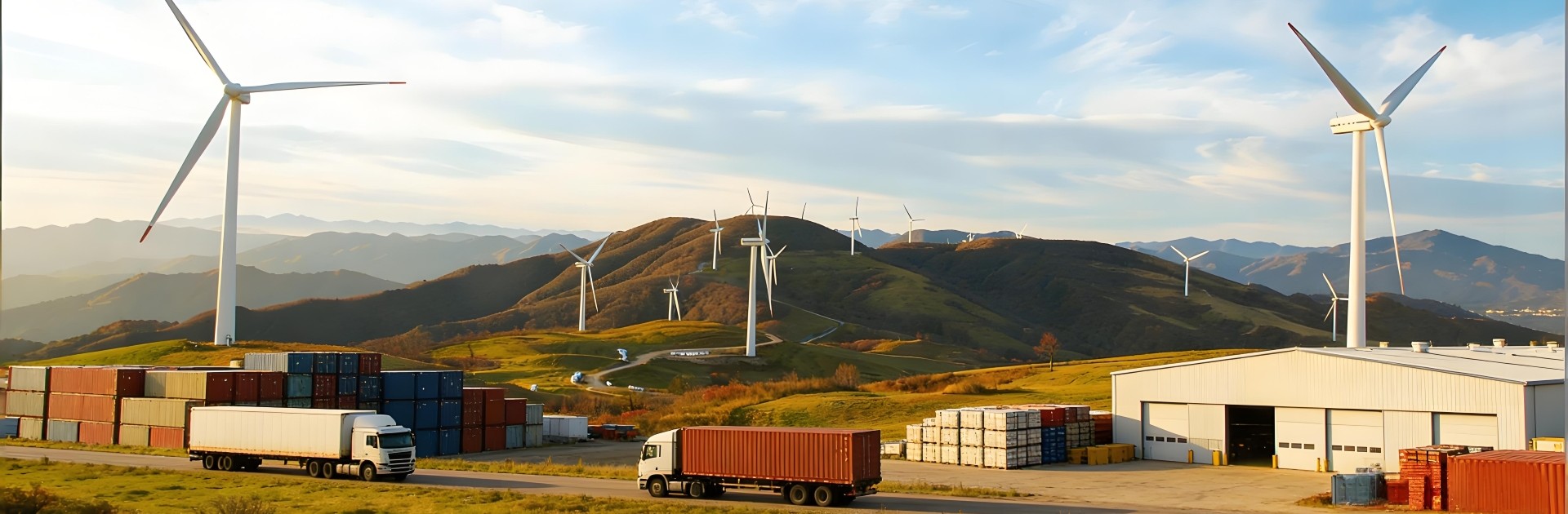
FAQ: Q: How do I decide between a direct and an indirect shipping route? A: It depends on your shipment's urgency and budget. If your goods are time - sensitive, a direct route might be better. But if cost is your primary concern and you can afford a longer shipping time, an indirect route could be a good choice. Shenzhen Aofei Freight can analyze your specific situation and recommend the most suitable route.
V. Packaging Optimization
Proper Packaging Materials: Using the right packaging materials can prevent damage during shipping and also reduce the overall volume and weight of the shipment. For example, using inflatable air pillows instead of bulky foam can reduce the volumetric weight of the package. In addition, some advanced packaging materials can also provide better protection against moisture and shock.Packaging Design: A well - designed package can make better use of space. For example, if you're shipping multiple small items, you can design a custom - made box that fits them snugly, reducing the empty space inside the package.
FAQ: Q: What kind of packaging materials should I use for shipping to Australia? A: It depends on the nature of your goods. For general consumer goods, corrugated cardboard boxes, bubble wrap, and air pillows are commonly used. However, for fragile items, you may need more specialized packaging, such as foam inserts or wooden crates. Shenzhen Aofei Freight can provide advice on appropriate packaging materials based on your shipment.
In conclusion, avoiding pitfalls and saving money in Australian freight forwarding in 2026 requires a comprehensive understanding of policies, accurate cost calculations, choosing the right partners, optimizing shipping routes and modes, and proper packaging. By following these guidelines and seeking the help of professional companies like Shenzhen Aofei Freight, you can make your shipping process more efficient and cost - effective.
Get the latest quotations for Australian consolidation, calculate the volumetric weight of Australian consolidation, and find sensitive cargo shipping channels by visiting the official website: https://www.aofeifreight.com, phone: + 86 - 16676978829. Professional Australian consolidation companies offer one - stop logistics services, exclusive discounts for international students and overseas Chinese, with full - track logistics tracking, ensuring safety and peace of mind!