


How Will Australia's Freight in Different Scenarios Evolve by 2026?
In the dynamic world of logistics, the future of Australia's freight industry is a topic of great interest. With various factors at play, including economic trends, trade policies, and technological advancements, it's crucial to understand how different scenarios could shape the industry by 2026. Let's take a closer look at some key aspects and how they might unfold.
I. Economic and Trade Policy Impact
China - Australia Trade Routes The trade relationship between China and Australia is a significant part of Australia's freight industry. In recent years, there have been fluctuations due to various trade policies. By 2026, if trade relations continue to improve, the volume of goods transported between the two countries is expected to increase. For example, in 2022, the total trade value between China and Australia was approximately AUD 285 billion. If positive trends persist, we could see a growth rate of around 15 - 20% by 2026, leading to a substantial boost in freight demand for both the China - Australia and Australia - China routes.New policies might be introduced to streamline customs procedures. For instance, the implementation of more digitalized customs clearance systems could reduce the time goods spend at the border. This would not only increase efficiency but also lower costs for freight companies.
Global Economic Trends The global economic situation also plays a vital role. If the global economy experiences a strong recovery by 2026, the demand for Australian exports such as minerals, agricultural products, and energy resources will likely rise. This would lead to an increase in outbound freight volume. On the other hand, if there is an economic downturn, the demand might decrease, and freight companies would need to find ways to optimize their operations to stay competitive.
II. Technological Advancements
Automation in Freight Handling Automation is gradually transforming the freight industry. By 2026, we can expect to see more automated warehouses and ports in Australia. For example, automated guided vehicles (AGVs) and robotic arms are already being used in some large - scale facilities. In the next few years, their usage is likely to become more widespread. This will increase the speed and accuracy of freight handling, reducing human - error and labor costs.Drones could also play a role in last - mile delivery. In remote areas of Australia, drones can be used to deliver small packages quickly and efficiently. This would not only improve service delivery but also open up new markets for the freight industry.
Digitalization and Tracking Digitalization is another key trend. With the use of advanced software and sensors, freight companies can track the location and condition of goods in real - time. This provides greater transparency for shippers and customers. By 2026, it is expected that almost all major freight operations in Australia will be equipped with such tracking systems. This will enhance customer satisfaction and also help in reducing the risk of lost or damaged goods.
III. Environmental Considerations
Sustainable Freight Practices There is an increasing global focus on environmental sustainability in the freight industry. By 2026, Australian freight companies will likely face more stringent environmental regulations. For example, they may be required to reduce their carbon emissions. To meet these requirements, companies may invest in more fuel - efficient vehicles and ships, or even explore alternative fuels such as biofuels.Some companies have already started to implement carbon - neutral shipping options. This not only helps the environment but also meets the growing demand from environmentally - conscious customers.
IV. Infrastructure Development
Port and Railway Expansion To handle the expected growth in freight volume by 2026, Australia will need to invest in infrastructure development. Ports are the gateways for international trade, and there are plans to expand and upgrade major ports. For example, the Port of Melbourne is considering a significant expansion project to increase its container handling capacity.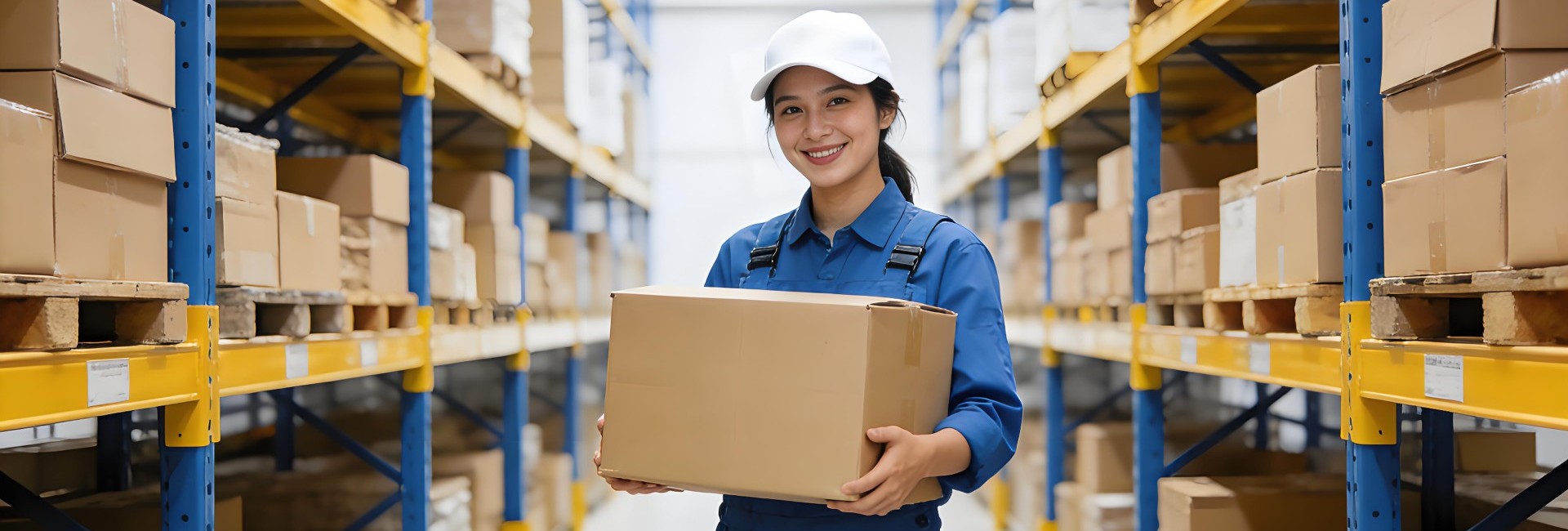
V. Industry Competition and Consolidation
Competition Among Freight Companies The freight industry in Australia is highly competitive. As the market evolves by 2026, companies will need to differentiate themselves through service quality, price, and innovation. Smaller companies may face challenges in competing with larger, more established players. However, some may find niche markets to focus on, such as specialized freight services for certain types of goods.Industry Consolidation There is also a likelihood of industry consolidation. Larger companies may acquire smaller ones to expand their market share and capabilities. This can lead to more efficient operations and better service offerings in the long run.
FAQs
What are the main challenges for Australia's freight industry in 2026? One of the main challenges is adapting to new environmental regulations. Companies need to find ways to reduce their carbon footprint while maintaining profitability. Additionally, increased competition and the need to invest in new technologies can also be challenges. But with these challenges come opportunities, and companies that are able to adapt quickly will be in a better position. At Australia Freight, we are constantly working on innovative solutions to meet these challenges head - on.How will the China - Australia trade policy changes affect freight rates? If trade relations improve and the volume of goods transported between the two countries increases, economies of scale may come into play, potentially leading to lower freight rates in some cases. However, if there are new customs procedures or regulatory changes, it could also add some costs. Overall, it's a complex situation. But at Australia Freight, we have a deep understanding of the trade policies and can help our customers find the most cost - effective shipping solutions.
Can small freight companies survive the competition in 2026? Yes, small freight companies can survive by finding niche markets. For example, they can focus on specialized goods such as high - value art or pharmaceutical products. By providing excellent service in these niche areas, they can build a loyal customer base. Australia Freight also offers support and collaboration opportunities for smaller players in the industry.
How important is technology in the future of Australia's freight industry? Technology is extremely important. Automation, digitalization, and tracking systems will improve efficiency, reduce costs, and enhance customer satisfaction. Without embracing technology, companies may find it difficult to compete in the market by 2026. Australia Freight is at the forefront of technological adoption, ensuring that we can provide the best service possible.
What role will infrastructure development play in the freight industry by 2026? Infrastructure development is crucial. Expanded ports and improved railway networks will increase the capacity to handle more freight volume. This will make freight transportation more efficient and cost - effective. Australia Freight is closely monitoring infrastructure development projects and will be ready to take advantage of the new opportunities they bring.
Latest quotes for Australia consolidation shipping, calculation of volumetric weight for Australia consolidation shipping, and channels for mailing sensitive goods can be accessed at the official website: https://www.aofeifreight.com, phone: + 86 - 16676978829. A professional Australia consolidation shipping company provides one - stop logistics services with exclusive discounts for international students and overseas Chinese. The entire logistics process can be tracked, ensuring safety and peace of mind!