


In 2026, What Are the Food Special Lines for Australian Freight in Different Scenarios?
Food is an essential part of life, and in the context of Australian freight, the demand for transporting various food products is ever - present. In 2026, different scenarios give rise to particular food special lines in the Australian freight industry.
I. Fresh Food Freight for Daily Consumption
Fruits and Vegetables Australia imports a significant amount of fresh fruits and vegetables, especially exotic varieties not commonly grown locally. For example, in 2025, Australia imported approximately 300,000 tons of fresh fruits from Southeast Asia, mainly to meet the daily consumption needs of its population. In 2026, due to the increasing awareness of healthy eating, the demand for these fresh produce is expected to grow.The transportation process is highly time - sensitive. To ensure freshness, controlled - temperature containers are used. Trucks are often rigged up with refrigeration units that can maintain the ideal temperature and humidity levels for fruits and vegetables. For instance, bananas need to be transported at around 13 - 14 degrees Celsius.
Dairy Products Dairy products like milk, cheese, and yogurt are also crucial in this category. Australia has a strong dairy industry, but it still imports some specialized dairy items. In 2026, with the flourishing cafes and high - end restaurants, the need for imported artisanal cheeses is on the rise.
The cold chain logistics for dairy is extremely strict. A broken cold chain can lead to spoilage within hours. Specialized trucks and shipping containers are equipped with real - time temperature monitoring systems. For example, milk should be kept at 2 - 4 degrees Celsius during transportation.
FAQ: How do you ensure the freshness of imported fruits and vegetables? Answer: We at Shenzhen Aofei Freight use controlled - temperature containers. These containers can maintain the exact temperature and humidity conditions required for different types of produce. For instance, we know the ideal temperature for bananas is 13 - 14 degrees Celsius, and we make sure it's always within the range during transit, keeping the produce fresh.
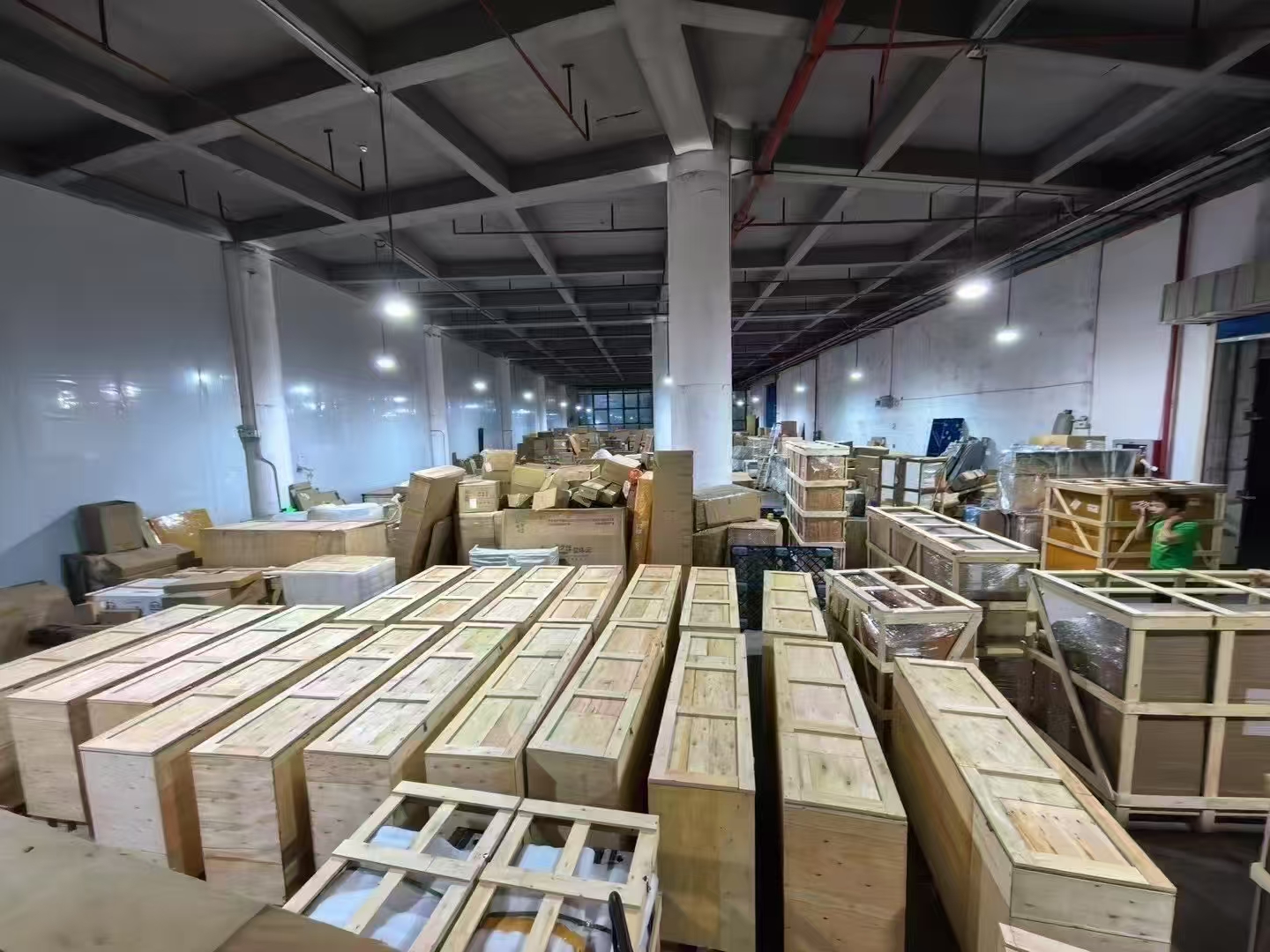
II. Processed Food Freight for Retail and Food Service
Snacks and Confectionery Snacks and confectionery are popular consumer goods. The Australian market has a high appetite for international snacks. In 2026, the processed food industry is expected to grow by 8% in Australia. A large portion of this growth will be due to imported snacks.These items are often transported in bulk. Pallets are used for efficient stacking and handling. For example, a single shipping container can hold hundreds of pallets of snacks. The transportation is generally less time - sensitive compared to fresh food, but proper storage conditions are still necessary to prevent damage.
Condiments and Sauces Condiments and sauces add flavor to Australian cuisine. With the increasing diversity of food preferences, the demand for international condiments is soaring. In 2026, the import of exotic sauces from Asian and Middle - Eastern countries is predicted to increase by 15%.
These products are usually packed in bottles or cans. Special care is taken during transportation to prevent leakage. Straps and bracing are used inside shipping containers to keep the products stable during transit.
FAQ: Are there any special considerations for transporting processed food like snacks? Answer: Yes, although they are less time - sensitive than fresh food, proper storage is crucial. We use pallets for efficient stacking in shipping containers. And we also make sure the containers are clean and dry to prevent any damage to the snacks during the long - haul journey. At Shenzhen Aofei Freight, we have a proven track record of handling these products safely.
III. Gourmet Food Freight for High - End Markets
Seafood Specialties Gourmet seafood is a luxury in the Australian market. In 2026, as the high - end dining scene expands, the import of premium seafood like live lobsters, oysters, and tuna is expected to increase. In 2025, the value of imported seafood for high - end restaurants was around AUD 200 million, and it's likely to grow further.The transportation of live seafood requires specialized equipment. Water tanks with aeration systems are used to keep the seafood alive. The entire supply chain, from the catch point to the restaurant, is carefully coordinated to minimize stress on the seafood.
Fine Wines and Spirits Australia is known for its own wine production, but the market also has a strong demand for fine wines and spirits from around the world. In 2026, the high - end wine market is expected to see a 10% growth.
Wine and spirits need to be transported in a vibration - free and temperature - controlled environment. Custom - made crates are often used to protect the bottles. The storage temperature for most wines is between 12 - 18 degrees Celsius.
FAQ: How do you transport live seafood without harming it? Answer: We use specialized water tanks with aeration systems. These systems ensure that the seafood has enough oxygen to survive during the journey. We also closely monitor the water quality and temperature. Our team at Shenzhen Aofei Freight has extensive experience in handling live seafood and ensuring its safe arrival at high - end restaurants in Australia.
IV. Agricultural Food Products for Industry Use
Grains and Cereals Grains and cereals are used in various industries in Australia, such as the food processing and brewing industries. In 2026, the demand for imported grains, especially for brewing specialty beers, is expected to go up. In 2025, Australia imported about 500,000 tons of grains for industrial use.These products are usually transported in bulk carriers. The ships are designed to handle large volumes of grains efficiently. Specialized loading and unloading equipment are used to minimize spillage and contamination.
Oils and Fats Oils and fats are used in the food manufacturing and cosmetics industries. In 2026, with the growth of the food manufacturing sector, the demand for imported vegetable oils is expected to rise.
They are transported in bulk tanker trucks or ships. The tanks are made of food - grade materials to ensure the quality of the oils and fats. The transportation process also requires strict safety protocols to prevent leakage.
FAQ: What safety measures are in place for transporting oils and fats? Answer: At Shenzhen Aofei Freight, we use food - grade tanks made for transporting oils and fats. We also have strict safety protocols to prevent leakage. Our trucks and ships are regularly inspected, and the transportation routes are carefully planned to ensure smooth and safe delivery.
V. 2026 China - Australia and Australia - China Transport Route Policies
In 2026, the China - Australia and Australia - China transport routes have significant policies in place for food freight. The Chinese government has tightened food safety regulations for imports, which means that Australian food exporters need to meet higher standards. For example, detailed documentation about the origin, processing, and quality control of food products is required. On the other hand, Australia has also increased its inspection of Chinese - imported food products. This includes more thorough sampling and testing of products to ensure they meet Australian food safety requirements.
In terms of tariffs, there have been some adjustments. Some food products have seen a reduction in tariffs, making it more cost - effective to transport food between the two countries. For example, certain types of fresh fruits from China to Australia now enjoy a lower tariff rate, which is beneficial for both consumers and businesses.
In conclusion, the food special lines in Australian freight in 2026 vary according to different scenarios. Each type of food requires specific transportation methods and adheres to changing policies. Shenzhen Aofei Freight is well - positioned to handle these diverse food freight needs. With our professional teams and advanced logistics equipment, we ensure that all food products are transported safely and efficiently.
Australian shipping latest price quotes, Australian shipping volumetric weight calculations, and shipping channels for sensitive goods can be accessed via the official website: https://www.aofeifreight.com, phone: + 86 - 16676978829. A professional Australian shipping company offering one - stop logistics services, with exclusive discounts for international students and overseas Chinese. Full - length logistics tracking available, ensuring safety and peace of mind!