


How Will Australia's Freight in Different Scenarios Evolve by 2026?
In the ever - changing landscape of global trade, the freight industry between China and Australia is like a living, breathing entity. It's constantly adapting to various scenarios such as economic trends, policy shifts, and technological advancements. Let's take a closer look at how Australia's freight might evolve by 2026 in different situations.
I. Economic Scenarios
Economic Growth in Both Countries If both China and Australia experience robust economic growth by 2026, the demand for freight services will skyrocket. For instance, Australian agricultural products like beef and wine are highly sought after in the Chinese market. In recent years, the annual import of Australian beef into China has been increasing steadily. In 2023, it was around 300,000 tons. With economic growth, this figure could potentially increase by 20 - 30% by 2026.On the other hand, Chinese manufactured goods, such as electronics and machinery, will also see a higher volume of exports to Australia. The current annual export value of Chinese electronics to Australia is approximately $5 billion. With economic expansion, this could reach $7 billion by 2026.
Economic Downturn In case of an economic downturn, the freight volume will take a hit. Businesses may cut back on imports and exports to save costs. For example, Australian coal exports to China, which were around 80 million tons in 2023, might decrease by 15 - 20% if there is an economic slowdown in both countries by 2026. The reduced demand for raw materials and consumer goods in such a scenario will directly impact the freight industry's bottom line.
II. Policy Scenarios
Favorable Trade Policies By 2026, if there are more favorable trade policies between China and Australia, it will be a game - changer for the freight industry. For example, the removal of certain tariffs or the implementation of faster customs clearance measures will encourage more trade. Currently, the average customs clearance time for some goods between the two countries is around 2 - 3 days. With new policies, this could be reduced to 1 - 2 days, increasing the efficiency of the freight process.Additionally, new free trade agreements might open up more sectors for trade, leading to an increase in the variety of goods being shipped. This will require freight companies to be more versatile and adapt their services accordingly.
Restrictive Policies Conversely, restrictive policies, such as stricter environmental regulations or new import - export quotas, could pose challenges. For example, if there are new regulations on the emissions of freight vessels, shipping companies may need to invest in more eco - friendly ships. This will increase their operating costs, which may be passed on to the customers in the form of higher freight rates.
III. Technological Scenarios
Automation and Digitization By 2026, the freight industry is likely to see a significant increase in automation and digitization. For example, automated warehouses are already being used in China, and this trend will likely spread to the Australia - China freight route. These warehouses can reduce the time it takes to store and retrieve goods, from the current average of 1 - 2 days to as little as half a day.Digital platforms for freight booking and tracking will also become more prevalent. This will provide customers with real - time information about their shipments, improving transparency and customer satisfaction.
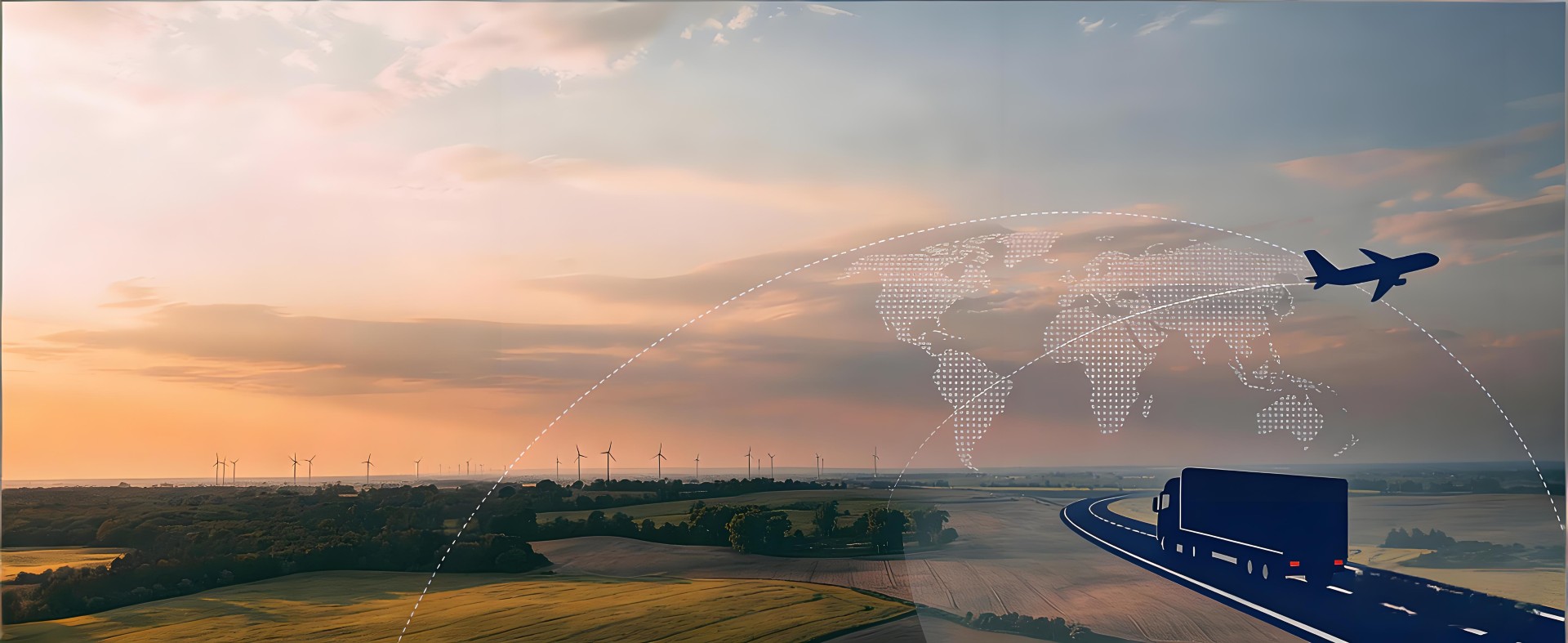
New Transportation Technologies The development of new transportation technologies, such as more fuel - efficient ships or high - speed trains, could revolutionize the Australia - China freight route. For example, a new type of container ship with improved fuel efficiency could reduce shipping costs by 10 - 15%. This would make sea freight even more competitive compared to other modes of transportation.
IV. Environmental Scenarios
Increased Environmental Awareness With the growing global concern for the environment, the freight industry will need to become more sustainable by 2026. For example, shipping companies may be required to use low - sulfur fuels to reduce emissions. This could increase the cost of shipping, but it will also make the industry more environmentally friendly.There may also be an increased demand for carbon - neutral freight services. Freight companies that can offer such services will have a competitive edge in the market.
Climate - Related Disruptions Climate - related disruptions, such as storms and sea - level rise, can have a significant impact on the freight industry. For example, ports may be affected by flooding, leading to delays in shipping. In 2023, a major storm in a Chinese port caused a delay of around 5 - 7 days for many shipments. By 2026, with the increasing frequency of extreme weather events, such disruptions may become more common. Freight companies will need to develop contingency plans to deal with these situations.
FAQ
Q: What are the main factors that will affect the freight volume between China and Australia by 2026? A: As an experienced freight professional, I've seen that economic growth, trade policies, technological advancements, and environmental factors will all play significant roles. For example, economic growth can increase the demand for goods, while favorable trade policies can make it easier and cheaper to trade. At the same time, new technologies can improve efficiency, and environmental concerns can shape the way freight is carried out. Companies like [公司名] have the experience and resources to adapt to these changing factors and ensure smooth freight operations. With 12 years of international express and comprehensive transportation experience, we're well - positioned to handle any challenges that come our way.Q: How will new trade policies impact the freight cost between the two countries? A: Well, favorable trade policies can potentially reduce the freight cost. For example, if tariffs are removed or customs clearance becomes faster, it can cut down on the overall cost. On the other hand, restrictive policies may increase the cost, such as when new regulations require freight companies to make additional investments. [公司名] offers a transparent pricing system. We use a clear - cut计费体系and阶梯价格, which means no hidden fees. So, you can be sure about the cost upfront.
Q: Can new technologies really improve the freight process between China and Australia? A: Absolutely! Automation and digitization can make the freight process much more efficient. Automated warehouses can speed up the storage and retrieval of goods, and digital platforms can provide real - time tracking. New transportation technologies can also reduce costs and improve the speed of delivery. [公司名] is at the forefront of adopting these new technologies. We're committed to providing our customers with the best possible service, and these technologies are a big part of that.
Q: What should I do if there are climate - related disruptions during my shipment? A: Climate - related disruptions can be unpredictable, but companies like [公司名] have contingency plans. We closely monitor weather conditions and work with ports and shipping lines to minimize delays. In case of a disruption, we'll keep you informed every step of the way. Our focus is on getting your goods to their destination as quickly as possible, even in challenging circumstances.
Q: How can I ensure my sensitive goods are shipped safely between China and Australia? A: Sensitive goods require special handling. [公司名] has strong expertise in handling sensitive goods such as food, cosmetics, and electronics. We have a high - success rate in clearing these goods through customs, with a clearance rate of over 98%. We also provide professional waterproof and reinforcement services to ensure the safety of your goods during long - distance transportation.
Australia's freight between China and Australia in different scenarios by 2026 will be a complex interplay of economic, policy, technological, and environmental factors. Freight companies need to be agile and adaptable to thrive in this changing landscape.
For the latest quotes on Australia's freight, volume - weight calculations, and channels for shipping sensitive goods, you can visit the official website: https://www.aofeifreight.com, and call + 86 - 16676978829. As a professional Australia's freight company, we offer one - stop logistics services with exclusive discounts for overseas students and overseas Chinese. You can track your shipments throughout the process, ensuring a safe and worry - free experience.