


1. Introduction
Shipping goods to Australia, whether from China or other parts of the world, is a critical decision for many businesses and individuals. When it comes to choosing between ocean freight and air freight for Australia consolidation in 2026, there are a lot of factors at play. The choice isn't always straightforward and can vary greatly depending on different scenarios. Let's dig deeper into this topic and discuss when each option shines.
2. Cost - the Most Tangible Consideration
Ocean Freight: Economical for Bulk Loads Ocean freight is well - known for its cost - effectiveness, especially for large - volume shipments. For instance, if you're shipping a container of furniture from China to Australia, ocean freight would be your go - to option. On average, ocean freight rates for a 20 - foot container from China to Australia can range from $1500 - $3000 in 2026, while for a 40 - foot container, it can be around $2500 - $5000. These rates are significantly lower compared to air freight when it comes to large quantities.This low cost makes it ideal for businesses that deal with non - perishable goods in bulk, like building materials or large quantities of clothing. However, it's important to note that the actual cost can be affected by factors such as fuel prices, shipping routes, and peak seasons.
Air Freight: Cost - wise for Smaller, High - Value Items Air freight is generally more expensive. The average cost per kilogram for air freight from China to Australia can be around $5 - $15. But for small, high - value items like electronics or luxury goods, the cost might be justified. For example, if you're shipping a batch of high - end smartphones, the value they hold makes the relatively higher shipping cost of air freight more acceptable. The reduced risk of damage and the shorter transit time also add to the overall value.
FAQ 1: I have a small business in Australia importing handicrafts from China. Which freight should I choose? If your handicrafts are relatively small in quantity and high in value, air freight might be a good choice. It ensures faster delivery so your products can reach the market quicker. At Shenzhen Aofei Freight, we can help you find the most suitable air freight solution, taking into account your budget and timeline.
3. Time Sensitivity
Ocean Freight: A Slow but Steady Pace Ocean freight has a longer transit time. On average, it can take anywhere from 18 - 35 days for a shipment to travel from China to Australia. This long transit time is due to the multiple stops at ports for loading and unloading, and the slower speed of ships. For example, if you're shipping seasonal goods like Christmas decorations, you need to plan well in advance if you choose ocean freight.However, in 2026, with the improvement of shipping routes and port efficiency, the transit time might be slightly reduced. Some direct routes from major Chinese ports to Australian ports are becoming more popular, which can cut down the transit time by a few days.
Air Freight: The Need for Speed Air freight is the clear winner when it comes to time. It can deliver goods from China to Australia in as little as 3 - 7 days. This quick turnaround is crucial for businesses that need to restock their inventory rapidly or for personal items that are urgently needed. For instance, if a medical facility in Australia urgently needs a specific medical device from China, air freight is the only viable option.
FAQ 2: I'm an online retailer in Australia. I just received a large order and need to restock quickly. Can air freight meet my needs? Absolutely! Air freight is designed for such time - sensitive situations. At Shenzhen Aofei Freight, we have established good relationships with major airlines, ensuring that your order can be on the fastest flight to Australia and reach your warehouse in just a few days, so you can fulfill your customer orders without delay.
4. Nature of Goods
Ocean Freight: Ideal for Large, Bulky, and Non - Perishable Goods Large and bulky items, such as vehicles or large machinery, are best shipped via ocean freight. These items are not only difficult to transport by air but also more cost - effectively shipped by sea. For example, shipping a car from China to Australia by ocean freight is a common practice.Non - perishable goods like grains or fertilizers also suit ocean freight well. Since they can withstand long - term storage during transit, the longer transit time of ocean freight is not a concern.
Air Freight: Suitable for Perishables and Fragile Items Perishable goods like fresh fruits, flowers, and seafood require quick transportation to maintain their quality. Air freight provides the shortest transit time, reducing the risk of spoilage. For example, fresh strawberries can be shipped from China to Australia within a few days by air, ensuring they reach the market in top - notch condition.
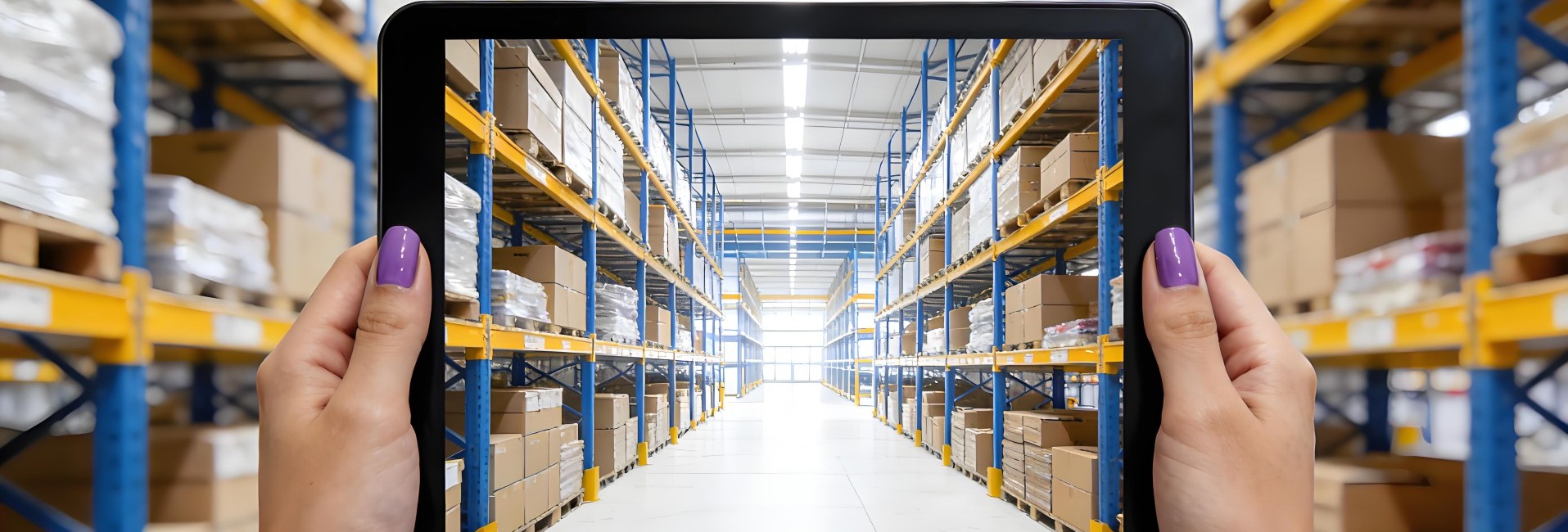
Fragile items such as glassware or high - precision instruments are also better off being shipped by air. The well - controlled environment of an aircraft cabin and the shorter handling time reduce the risk of damage.
FAQ 3: I run a florist in Australia and want to import fresh flowers from China. Can air freight ensure the freshness? Yes, air freight is the best choice for fresh flowers. The fast transit time helps in keeping the flowers fresh. At Shenzhen Aofei Freight, we have special handling procedures for perishable goods. We work with airlines that have good temperature - controlled cargo holds, ensuring that your fresh flowers arrive in Australia looking as beautiful as when they were picked.
5. 2026 China - Australia and Australia - China Transport Route Policies
Ocean Freight Policies In 2026, there are expected to be some policy changes regarding ocean freight between China and Australia. For example, there might be more incentives for using eco - friendly shipping methods. Some ports in both countries are promoting the use of low - sulfur fuels, and shipping companies that comply with these regulations may get preferential treatment in terms of port fees.There could also be stricter regulations on the inspection of goods at ports. This means that shippers need to ensure that all their goods are properly documented and meet the import and export requirements of both countries.
Air Freight Policies Air freight policies may focus more on security. With the increasing threat of terrorism and smuggling, airports in both China and Australia are expected to tighten their security checks. This might lead to slightly longer pre - flight processing times, but it also ensures a safer shipping environment.
There could also be some policies related to the carbon footprint of air freight. Airlines may be required to offset a certain amount of their carbon emissions, which could potentially affect the cost of air freight.
6. Capacity and Flexibility
Ocean Freight: High Capacity but Less Flexible Ocean freight offers a large capacity. A single container ship can carry thousands of containers at once. This high capacity makes it ideal for large - scale exporters and importers. However, ocean freight has less flexibility in terms of scheduling. Shipping lines usually operate on fixed schedules, and it can be difficult to make last - minute changes.If you miss a scheduled shipping date, you may have to wait for the next available ship, which could cause delays in your supply chain.
Air Freight: Lower Capacity but More Flexible Air freight has a relatively lower capacity compared to ocean freight. An aircraft can only carry a limited amount of cargo. But it offers more flexibility in terms of scheduling. Airlines often have multiple flights each day, and it's easier to arrange for a last - minute shipment if needed.
This flexibility is valuable for businesses that need to quickly respond to changes in demand or unexpected situations.
FAQ 4: I made a last - minute order from a supplier in China. Can air freight help me get the goods quickly? Yes, air freight is very flexible in terms of scheduling. Even if you made a last - minute order, at Shenzhen Aofei Freight, we can quickly arrange for your goods to be shipped on the next available flight. We have a team that is experienced in handling urgent shipments, ensuring that your goods reach Australia without long - term waiting.
7. Risk and Insurance
Ocean Freight: Higher Risk but Standard Insurance Options Ocean freight is exposed to more risks such as storms, piracy (in some regions), and mechanical failures of ships. However, there are well - established insurance options for ocean freight. The cost of insurance for ocean freight is usually a relatively small percentage of the value of the goods, typically around 0.1% - 0.5%.Although the risks are higher, the insurance can provide a certain level of protection for shippers.
Air Freight: Lower Risk and Specialized Insurance Air freight generally has a lower risk of damage or loss compared to ocean freight. The well - managed environment of an aircraft and the shorter transit time contribute to this. However, the insurance for air freight is often more specialized and may be more expensive on a per - kilogram basis.
FAQ 5: I'm worried about the risk of my goods getting damaged during transit. Is insurance enough to cover the losses? Insurance can provide a good level of protection. For ocean freight, standard insurance options can cover most common risks. For air freight, specialized insurance can be tailored to your specific needs. At Shenzhen Aofei Freight, we can help you choose the right insurance plan based on the nature of your goods and the shipping method, so you can have peace of mind during the shipping process.
In conclusion, whether you should choose ocean or air freight for Australia consolidation in 2026 depends on multiple factors. You need to carefully consider the cost, time sensitivity, nature of goods, policies, capacity, and risk. Shenzhen Aofei Freight can offer you professional advice and solutions to ensure that your shipping needs are met in the most efficient and cost - effective way.
Latest quotes for Australia consolidation, calculation of volumetric weight for Australia consolidation, and channels for shipping sensitive goods are available on the official website: https://www.aofeifreight.com, phone: + 86 - 16676978829. A professional Australia consolidation company offers one - stop logistics services with exclusive discounts for overseas students and overseas Chinese. The whole logistics process is traceable, ensuring safety and peace of mind!