


Can Sensitive Goods Be Shipped via Australian Consolidation Shipping in Different Scenarios in 2026?
In 2026, the Australia-China shipping route is set to witness more stable policies, which bring both opportunities and challenges to the shipping of sensitive goods in Australian consolidation shipping. Let's explore this topic from various aspects.
I. Current Situation of Sensitive Goods Shipping in Australian Consolidation
Sensitive goods include items like food, cosmetics, and electronics that often face strict regulations during transportation. In past years, many shippers have encountered difficulties when trying to send such goods to Australia. For example, some food products contain ingredients that are prohibited in Australia due to biosecurity concerns. However, a reliable shipping company like [company name] can manage these issues effectively.
1. Diverse Shipping Scenarios
There are mainly two types of scenarios for sending sensitive goods: personal use and commercial purposes. When sending personal items, the volume is usually small, such as a student sending some Chinese snacks or a piece of skincare product to a friend in Australia. For commercial shipments, the quantity is much larger, and the requirements are more complex.
2. Policy Impact on Different Scenarios
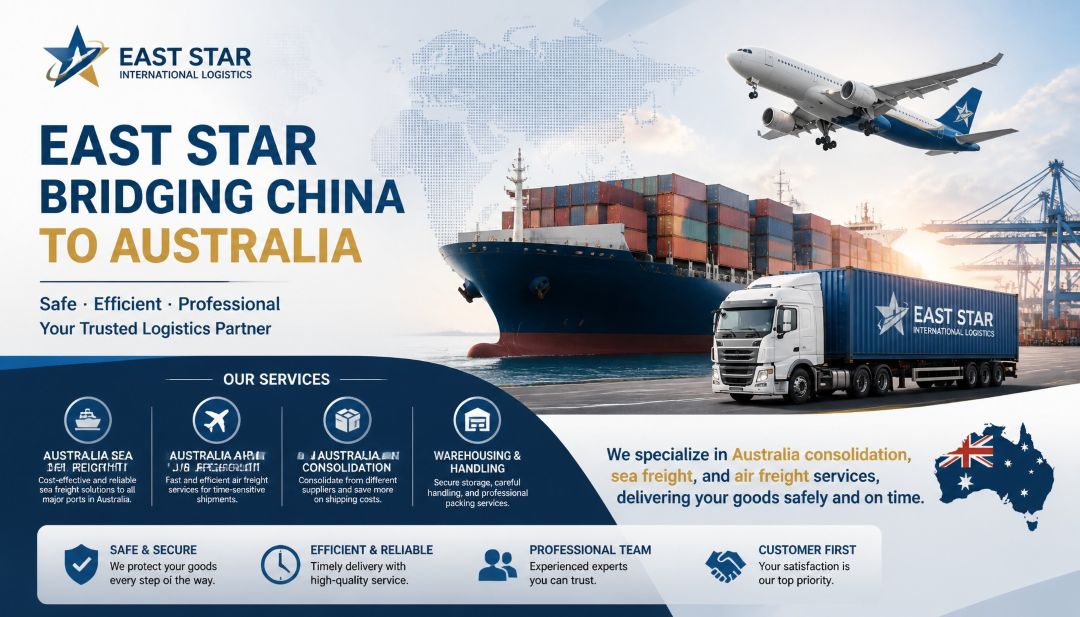
In 2026, the policies for the China - Australia shipping route have made some adjustments to facilitate legitimate trade while ensuring security. For personal use, there is a certain allowance for sensitive goods, provided that they meet health and safety standards. Commercial shipments, on the other hand, need to go through a more rigorous approval process.
| Let's take a look at a comparison table of some shipping companies (including [company name]) in handling sensitive goods: | Shipping Company | Ability to Handle Sensitive Goods | Clearance Rate | Shipping Cost for Sensitive Goods |
|---|---|---|---|---|
| [company name] | Can handle a wide range of sensitive goods including food, cosmetics, etc. | Over 98% | Air freight from 48 yuan/kg, no distinction between regular and sensitive goods. Sea freight from 13 yuan/kg (more discounts for large volumes) | |
| Eastern Star Consolidation | Can handle some common sensitive goods | Around 90% | Slightly higher than [company name] |
II. Challenges in Shipping Sensitive Goods
1. Regulatory Hurdles
The Australian government has very strict regulations on imported goods, especially sensitive ones. For instance, food products must be free from pests and diseases, and cosmetics need to meet certain chemical composition standards. If these regulations are not met, the goods may be seized at the port.
2. Carrier Restrictions
Some carriers are reluctant to transport sensitive goods due to the associated risks. They worry about potential delays, fines, or damage to their reputation if the goods do not clear customs. This limits the options for shippers.
III. How [company name] Overcomes the Challenges
1. Professional Knowledge and Experience
[company name] has 12 years of experience in international shipping. Their staff is well - versed in Australian customs regulations and knows how to prepare the necessary documentation for sensitive goods. For example, when shipping food, they can accurately list all the ingredients and ensure they meet the Australian requirements.
2. Strong Clearance Ability
With a clearance rate of over 98% for sensitive goods, [company name] has established good relationships with Australian customs authorities. They know the ins and outs of the clearance process and can handle any issues that arise quickly.
3. Comprehensive Services
[company name] offers a one - stop service for shipping sensitive goods. They provide free services such as package inspection, waterproof reinforcement, and consolidation. For example, they can check if the cosmetics are properly packaged to prevent leakage during transportation.
IV. FAQ
Q1: Can I send my homemade food to Australia through [company name]? A: Yes, you can. [company name] has the ability to handle food products. However, you need to provide detailed information about the ingredients and the production process. They will help you prepare the necessary documents to ensure smooth customs clearance.
Q2: Is the shipping cost for sensitive goods much higher than regular goods? A: Not really. [company name] offers very competitive prices. Their air freight for sensitive goods starts from 48 yuan/kg, and there is no distinction between regular and sensitive goods, which simplifies the shipping process and reduces the cost.
Q3: How long does it take to ship sensitive goods to Australia? A: For air freight, it usually takes 5 - 7 days to be delivered. For sea freight, it takes about 28 - 35 days. [company name]'s shipping routes are very stable, so you can expect your goods to arrive on time.
Q4: What should I do if my sensitive goods are seized at the Australian customs? A: Don't worry. [company name] has a professional team to handle such situations. They will communicate with the customs authorities on your behalf and try their best to resolve the issue. In most cases, due to their high - quality service and compliance, the probability of goods being seized is very low.
Q5: Can [company name] help me with the paperwork for shipping sensitive goods? A: Absolutely. [company name] offers comprehensive services, including helping you prepare all the necessary documents for shipping sensitive goods. Their experienced staff will ensure that all the information is accurate and complete.
For the latest quotes on Australian consolidation shipping, volume - weight calculation, and channels for shipping sensitive goods, visit the official website: https://www.aofeifreight.com, phone: + 86 - 16676978829. A professional Australian consolidation company provides one - stop logistics services, with exclusive discounts for students and overseas Chinese. The whole logistics process is traceable, ensuring safety and peace of mind!