


In 2026, for Australian freight in different scenarios, which is more worry - free, DDP or DDU in Australia?
Shipping goods to Australia can be a complex process, and choosing between DDP (Delivered Duty Paid) and DDU (Delivered Duty Unpaid) can significantly impact the ease and cost of your shipping experience. In 2026, with potential changes in policies regarding the China - Australia and Australia - China transport routes, understanding the nuances of these two delivery terms is crucial.
I. What are DDP and DDU?
DDP (Delivered Duty Paid) DDP is like a one - stop - shop service. When you choose DDP, the seller or shipper takes on the responsibility of everything from shipping the goods to Australia, paying all the duties, taxes, and fees, and delivering the goods right to the buyer's specified location. It’s as if you hand over all your shipping concerns to someone else and just wait for the goods to arrive at your doorstep. For example, if you're a small business in China shipping handmade crafts to a customer in Sydney under DDP, you'll handle all the paperwork, arrange the shipping, pay the customs duties in Australia, and ensure the goods reach the customer.DDU (Delivered Duty Unpaid) DDU, on the other hand, is a bit more of a DIY approach. The shipper is responsible for getting the goods to the destination in Australia but does not pay the import duties and taxes. The buyer has to take care of these additional costs upon arrival. It's like ordering a product online, and when it arrives at your local post - office, you have to go and pick it up and pay any required fees. For instance, a large Australian company importing industrial equipment from China under DDU has to deal with the Australian customs procedures and pay the duties themselves after the goods arrive at the port.
II. Policies Affecting the China - Australia and Australia - China Routes in 2026
Customs Regulations In 2026, the customs regulations between China and Australia are expected to be more streamlined. There may be new digital platforms introduced for faster customs clearance, which can benefit both DDP and DDU shipments. For DDP shipments, the shipper can use these new platforms to pay duties more efficiently, while DDU buyers can use it to calculate and pay their duties in a more straightforward way. However, the specific rules and requirements may still vary depending on the type of goods. For example, agricultural products may still have strict inspection requirements to prevent the introduction of pests or diseases.Trade Agreements The existing trade agreements are likely to continue being optimized in 2026. This could lead to lower duty rates for certain goods, which is beneficial for both DDP and DDU scenarios. For DDP shippers, lower duties mean lower overall costs, and they can potentially offer more competitive prices. For DDU buyers, it means they'll have to pay less in duties when the goods arrive.
III. Cost Comparison
Pricing for DDP The cost of DDP is usually higher upfront. The shipper has to factor in the shipping costs, customs duties, taxes, and any possible local fees in Australia into the price they charge the buyer. However, it provides cost predictability. The buyer knows exactly how much they'll pay from the start. For example, if you're importing a batch of electronic devices worth $10,000 from China to Australia under DDP, the shipper will include the duties and taxes, which might add another $2,000 - $3,000, depending on the type of electronics, in the total price.Pricing for DDU With DDU, the initial shipping cost is lower because the shipper is not including the duties and taxes. But the buyer is at the mercy of the Australian customs to determine the exact amount of duties they'll have to pay. This can be a bit of a gamble. Sometimes, the duties can be much higher than expected, especially if the goods are classified differently by Australian customs. For example, if you import fashion items under DDU, and due to a new tax policy in 2026, the duties on a certain type of fabric are increased, you'll end up paying more than you might have anticipated.
IV. Worry - Free Aspect in Different Scenarios
For Small Businesses or Individuals DDP: It's often the more worry - free option. Small businesses or individuals usually don't have the expertise or resources to deal with Australian customs procedures. With DDP, they can focus on other aspects of their business, like marketing or customer service. For example, a student in Australia ordering personal items from China doesn't want to get bogged down in customs paperwork and duty payments. By choosing DDP, they can just wait for their package to arrive without any additional hassles.DDU: Can be a headache for small businesses and individuals. They may not understand the complex customs regulations in Australia, and unexpected duty costs can put a strain on their finances.
For Large Corporations DDP: While large corporations have the resources to handle shipping, DDP can still be a good option in some cases. For example, if they are shipping high - value, time - sensitive goods, having the shipper take care of everything can ensure a smooth and timely delivery.
DDU: Large corporations may prefer DDU when they have in - house customs experts. They can use their knowledge to optimize the customs clearance process and potentially save on costs. For example, a big Australian manufacturing company importing raw materials may have a team that can accurately calculate the duties and take advantage of any available exemptions.
V. FAQ
Is DDP always more expensive than DDU? In general, yes. DDP includes the cost of duties and taxes in the upfront price, while DDU only covers shipping. However, with DDU, the buyer may end up paying more than expected if the duties are higher than estimated. At Shenzhen Aofei Freight, we can help you calculate the costs accurately and decide which option is more cost - effective for you.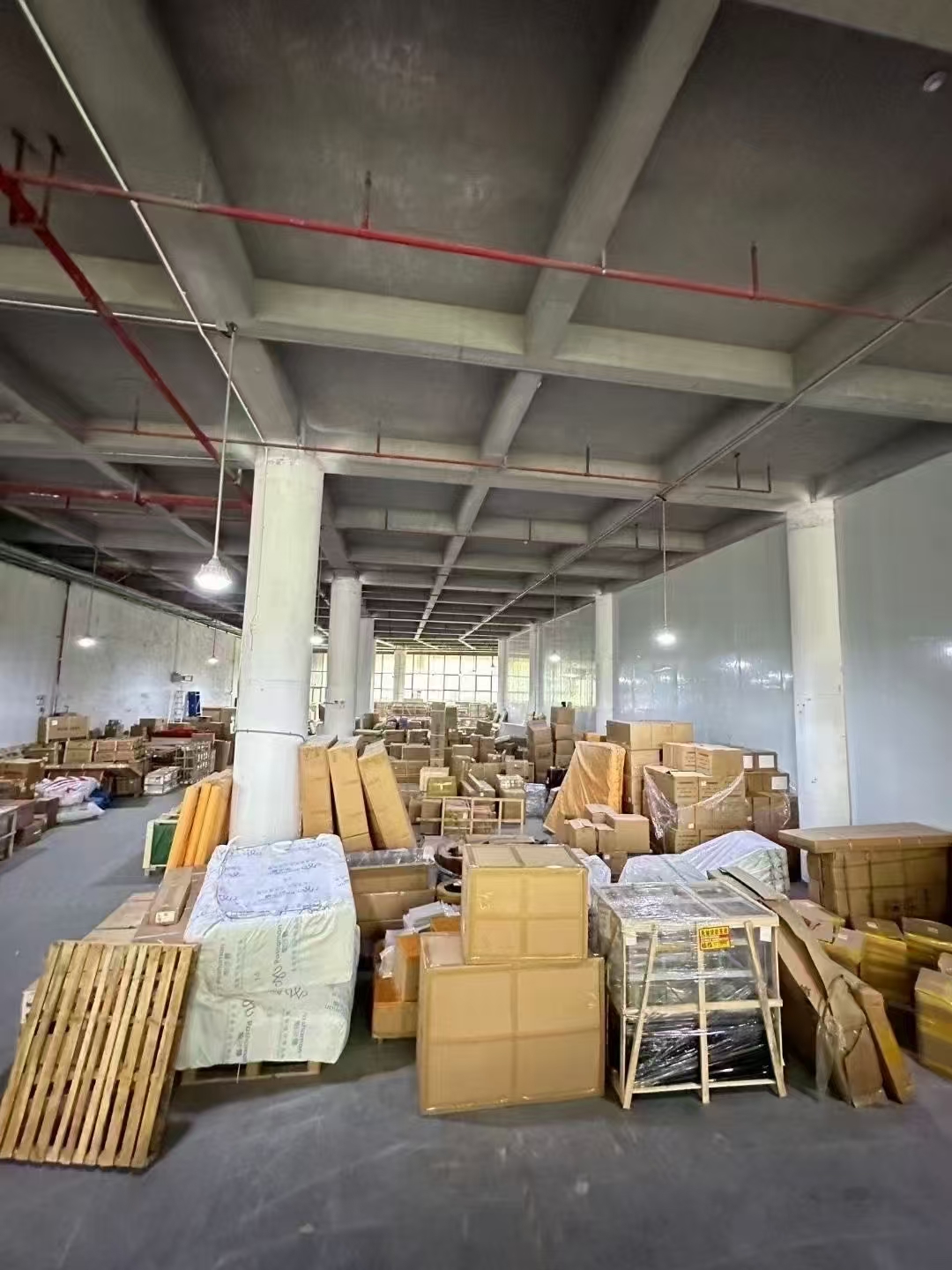
What are the risks of choosing DDU? The main risk is the uncertainty of duty costs. Australian customs may classify your goods differently, resulting in higher duties. Also, if you're not familiar with the customs procedures, there could be delays in getting your goods cleared. Our team at Shenzhen Aofei Freight can guide you through these procedures even if you choose DDU.
Can I change from DDU to DDP after the shipment starts? It's possible, but it can be complicated. It involves renegotiating the terms with the shipper and may incur additional costs. Our experts at Shenzhen Aofei Freight can help you navigate this process if needed.
How does DDP benefit me if I'm an Australian buyer? It takes all the stress out of the shipping process. You don't have to deal with customs paperwork, calculate duties, or worry about delays due to payment issues. Shenzhen Aofei Freight can handle all these aspects for you under DDP.
Are there any goods that are not suitable for DDP or DDU? Some restricted or prohibited goods may not be eligible for either DDP or DDU. For example, certain chemicals or weapons. Shenzhen Aofei Freight has a detailed list of what can and cannot be shipped, and we can help you determine the best shipping method for your goods.
For the latest quotes on Australian freight, volume weight calculations, and sensitive goods shipping options, you can visit our official website: https://www.aofeifreight.com, and call us at + 86 - 16676978829. As a professional Australian freight company, we offer one - stop logistics services, with exclusive discounts for students and overseas Chinese. You can track your shipment throughout the process, ensuring a safe and worry - free experience!