


Unveiling the Long - tail Questions and High - search - intent Categories in Australian Freight in 2026
In 2026, the Australian freight industry is witnessing significant changes, driven by various factors such as new policies, technological advancements, and evolving trade patterns. Let's explore the long - tail questions and high - search - intent categories in different scenarios.
I. China - Australia and Australia - China Transport Routes
The trade between China and Australia has a long - standing history, and the freight routes between the two countries are of utmost importance. In 2026, new policies have been introduced to streamline the transport process.
For China - Australia routes, there is more emphasis on environmental protection. New regulations limit the emissions of freight vessels and aircraft. For example, ships are required to use low - sulfur fuels, which has increased the operating cost to some extent. Shipping companies are searching for ways to balance environmental compliance and cost - efficiency.On the Australia - China routes, the Chinese government has simplified some of the customs clearance procedures for certain categories of goods, such as agricultural products from Australia. This has boosted the confidence of Australian exporters, leading to an increase in search for efficient and cost - effective freight solutions.
According to industry data, the volume of goods transported between China and Australia has increased by about 15% compared to last year. Among them, the demand for express delivery of high - value and small - volume products, like luxury goods and high - end electronics, has grown by 20%.
1. Long - tail questions
“How to comply with the new environmental regulations on China - Australia shipping routes without significantly increasing costs?” As a shipping company with 12 years of international transport experience, we've found that investing in new, more fuel - efficient vessels in the long run can be more economical. Moreover, optimizing shipping schedules can also reduce overall energy consumption.“What are the new customs - clearance procedures for Australian goods entering China in 2026?” We've observed that for agricultural products, the new procedures mainly involve providing more detailed origin certificates. It's important to ensure that all documents are accurate to avoid delays.
II. Domestic Australian Freight
Domestic freight in Australia has its own unique set of challenges and opportunities. With the growth of e - commerce, the demand for last - mile delivery has skyrocketed.
Big retailers are constantly looking for ways to reduce the delivery time of their products to consumers. For example, some are considering using drones for local deliveries in remote areas.The mining industry, which is a major part of Australia's economy, also requires a stable and efficient freight system to transport minerals from mines to ports.
Data shows that the e - commerce related domestic freight market has grown by 25% in the past year. At the same time, the freight demand from the mining industry has remained steady, accounting for about 30% of the total domestic freight volume.
1. Long - tail questions
“How can we improve the efficiency of last - mile delivery in remote Australian areas?” Based on our experience, partnering with local carriers or using smart delivery lockers can be effective solutions. Smart lockers provide a convenient pick - up option for customers, reducing the number of failed delivery attempts.“What are the best freight options for transporting large - quantity minerals in Australia?” Rail transport is often the most cost - effective and reliable option for large - quantity mineral transportation. It has a large capacity and is less affected by weather conditions compared to road transport.
III. International Freight to and from Australia (Excluding China)
Australia has trade relations with many countries around the world. The demand for international freight varies depending on different industries and products.
The tourism industry in Australia drives the demand for importing high - quality handicrafts, textiles, and food products from countries like India, Thailand, and Italy.On the other hand, Australian agricultural and mining products are exported to countries in Europe, North America, and Asia - Pacific.
The international freight market (excluding China) has grown by 10% in 2026. The export of agricultural products has seen a 12% increase, mainly due to the growing global demand for high - quality Australian beef, lamb, and wheat.
1. Long - tail questions
“What are the regulations for importing food products from India to Australia in 2026?” It's essential to ensure that the food products meet Australian food safety standards. This includes proper labeling, certification of origin, and compliance with quarantine requirements. We have the expertise to handle all these procedures efficiently.“How to choose the right shipping company for exporting Australian mining products to Europe?” When choosing a shipping company, factors such as shipping rates, transit time, and the company's reputation should be considered. Our company, with 12 years of experience, offers competitive rates and reliable service for shipping mining products.
IV. E - commerce Related Freight in Australia
The e - commerce boom in Australia has had a profound impact on the freight industry. Consumers expect fast and reliable delivery, and merchants need to find cost - effective logistics solutions.
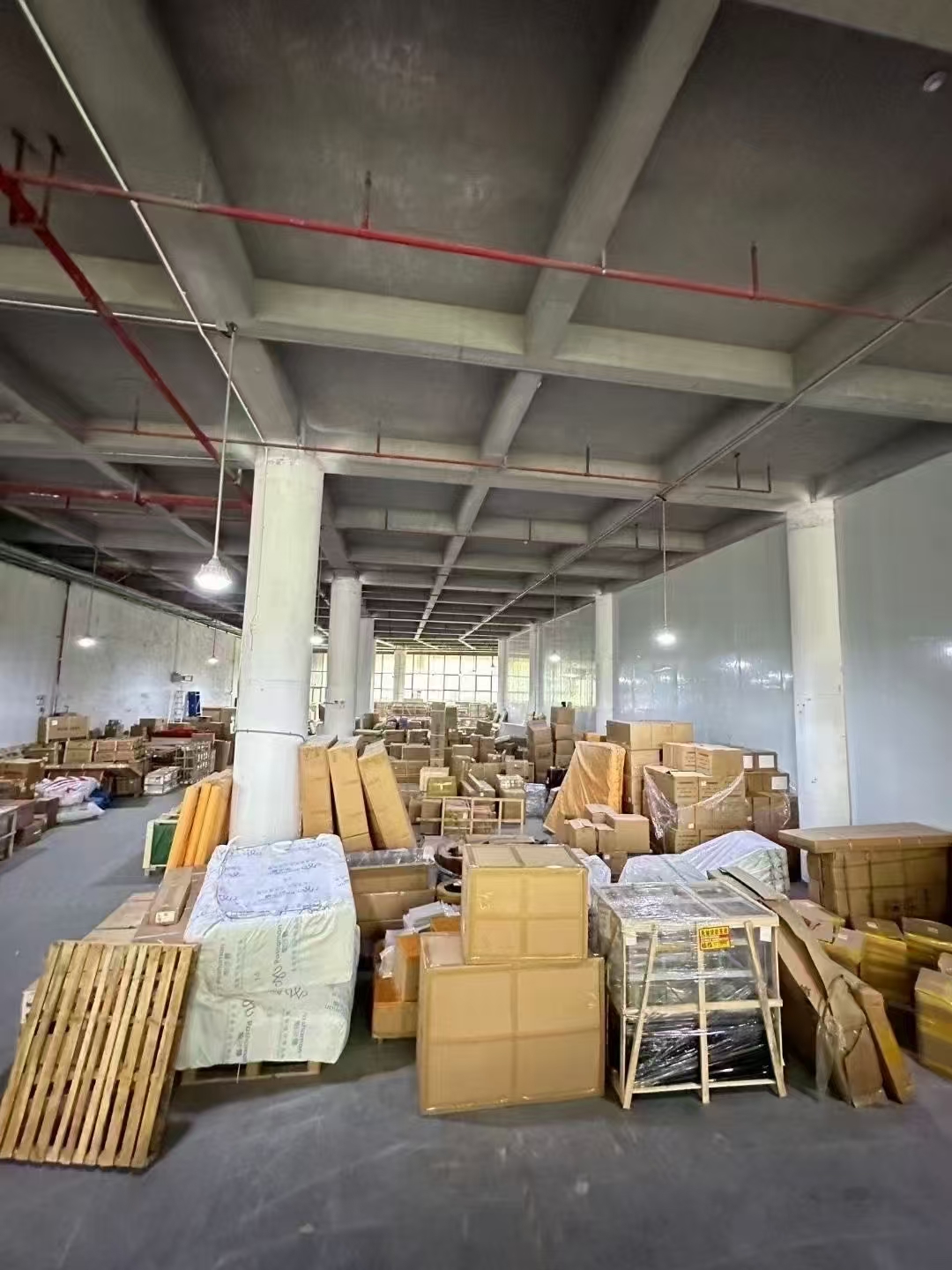
Online marketplaces are also focusing on improving the overall shopping experience by offering free or discounted shipping options.
The e - commerce freight market has grown by 30% in 2026. The demand for air freight for e - commerce products has increased by 25% as consumers are more willing to pay a premium for faster delivery.
1. Long - tail questions
“How can e - commerce merchants reduce their freight costs without sacrificing delivery speed?” One effective way is to optimize the packaging of products. By reducing the volume and weight of packages, merchants can save on shipping costs. Our free packaging optimization service can help merchants achieve this goal.“What are the best practices for handling returns in e - commerce freight?” Providing a convenient return process is crucial for retaining customers. We offer a free domestic return and transit service, which helps e - commerce merchants handle returns efficiently.
Conclusion
In 2026, the Australian freight industry presents a diverse range of long - tail questions and high - search - intent categories. From the China - Australia and Australia - China routes to domestic, international, and e - commerce related freight, there are unique challenges and opportunities. As a professional freight service provider, we are well - equipped to address these issues.
Get the latest quotes for Australian freight, calculate the volumetric weight, and find the best channels for shipping sensitive goods by visiting our official website: https://www.aofeifreight.com, or call us at + 86 - 16676978829. Our company provides one - stop logistics services for students studying abroad and overseas Chinese, with exclusive discounts. The entire logistics process is traceable, providing a safe and worry - free experience.