


Unveiling the Distinctions: Fast vs. Slow Australian Sea Freight Ships in 2026
In the dynamic world of international shipping, understanding the nuances between fast and slow Australian sea - freight ships is crucial, especially in 2026. With the ever - evolving trade policies between China and Australia, this knowledge becomes even more vital for both personal and business shipments.
I. Policy Landscape in 2026
China - Australia Route: In 2026, the China - Australia shipping route benefits from relaxed customs regulations. New free - trade agreements have simplified the documentation process, reducing clearance times by up to 20%. For example, small - scale personal shipments can now cross the border with fewer paperwork hassles, and businesses enjoy lower tariffs on certain goods, promoting more trade between the two countries.Australia - China Route: On the return journey, Australia has introduced a green shipping initiative. Ships that meet certain environmental standards are eligible for faster port handling and reduced port fees. This has encouraged shipping companies to invest in more eco - friendly vessels for the Australia - China route.
II. Speed and Transit Time
Fast Ships: These ships offer a significant advantage in terms of speed. For personal shipments, if you're sending essential items like medicine or a time - sensitive gift to family in Australia, a fast ship can reach its destination in as little as 18 - 21 days from China. For example, a small business owner in China shipping a new product line launch sample to an Australian client would opt for a fast ship to ensure timely delivery. They typically operate on a more direct route, skipping some non - essential stops.Slow Ships: Slow ships, on the other hand, have a longer transit time, usually ranging from 30 - 45 days. This is because they often follow a more circuitous route, making multiple stops along the way to pick up and drop off cargo. For a family in Australia shipping back a large amount of personal belongings like furniture and old clothes to China, a slow ship might be a more cost - effective option as time is not of the essence.
| Ship Type | Transit Time (China - Australia) | Transit Time (Australia - China) |
|---|---|---|
| Fast | 18 - 21 days | 19 - 22 days |
| Slow | 30 - 45 days | 32 - 48 days |
III. Cost Differences
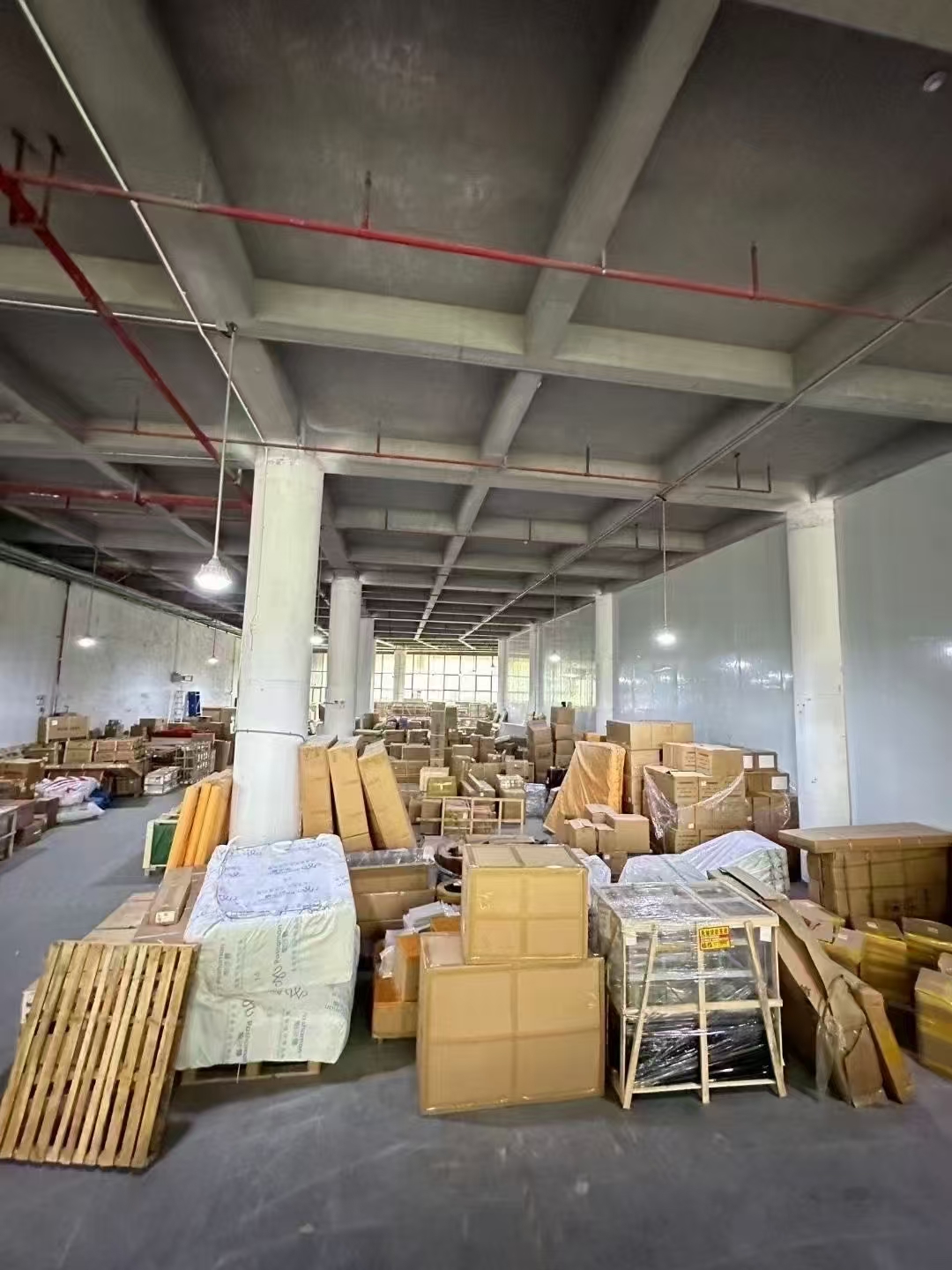
Slow Ships: Slow ships are much more budget - friendly. They are ideal for businesses that can afford to wait for inventory restocking, such as retailers shipping seasonal items. For personal use, if you're shipping second - hand goods or items that are not urgently needed, slow ships can save you a significant amount of money.
IV. Capacity and Cargo Handling
Fast Ships: These ships are often designed to carry high - value, time - sensitive cargo. Their cargo holds are well - equipped to handle delicate and perishable items. They have advanced temperature - control systems for food and pharmaceutical products and state - of - the - art security measures for high - end electronics. For example, a fast ship can transport a large quantity of fresh fruits from Australia to China while maintaining their quality.Slow Ships: Slow ships usually have a larger capacity as they are built to carry bulk goods. They can handle large volumes of raw materials, construction supplies, and non - perishable consumer goods. A construction company in Australia might use a slow ship to import large quantities of steel from China.
V. Suitability for Personal and Business Shipments
Personal Shipments Fast Ships: Ideal for urgent personal needs, like sending important documents or a last - minute gift. For example, a student in Australia who suddenly needs a specific textbook from China can rely on a fast ship for a speedy delivery.Slow Ships: Perfect for people moving to or from Australia. If you are an expatriate shipping your household items, a slow ship can hold everything you need at a lower cost.
Business Shipments Fast Ships: Commonly used by businesses with a just - in - time inventory system. For instance, a fashion brand in China shipping new designs to its Australian stores for a seasonal launch will choose a fast ship to meet the market demand.
Slow Ships: Businesses that deal with non - urgent goods, such as a furniture manufacturer in Australia importing large quantities of wood from China, can use slow ships to reduce shipping costs.
VI. FAQ
Q: My business is shipping fragile glassware from China to Australia. Should I choose a fast or slow ship?A: For fragile glassware, a fast ship is a better option. The shorter transit time reduces the risk of breakage during transportation. At Shenzhen Aofei Freight, we have experience in handling delicate items on fast ships to ensure they reach Australia safely.
Q: I'm an individual planning to send some old clothes from Australia to my family in China. Is a slow ship suitable?
A: Absolutely! Since old clothes are non - urgent and not time - sensitive, a slow ship is a cost - effective choice. Shenzhen Aofei Freight can assist you in finding the most affordable slow - shipping options.
Q: How can I ensure my cargo on a slow ship is safe during the long transit?
A: You can opt for proper packaging to protect your items. And at Shenzhen Aofei Freight, we carefully select reliable slow - shipping carriers with a good track record of cargo safety.
Q: My business has a tight budget but needs to restock inventory in Australia from China. Is there a solution?
A: Using a slow ship is a great way to save on costs. Shenzhen Aofei Freight can help you plan your shipments efficiently, making sure your inventory arrives on time while keeping your budget in check.
Q: Are there any restrictions on the type of goods I can send on a fast ship from China to Australia?
A: There are some general restrictions, such as hazardous materials. However, Shenzhen Aofei Freight can provide detailed information on what can and cannot be shipped and help you find alternative solutions if needed.
For the latest quotes on Australian sea freight, volume - weight calculations, and sensitive - cargo shipping options, visit the official website: https://www.aofeifreight.com, and call + 86 - 16676978829. As a professional Australian freight company, we offer one - stop logistics services with exclusive discounts for students and overseas Chinese. You can track your shipments throughout, ensuring a safe and worry - free experience.