


Shipping goods between China and Australia involves a complex web of processes, and one of the key aspects is the calculation of weight. In 2026, understanding how weight affects your shipping costs is crucial for both individual senders and businesses. Let's dive into the details.
I. The Basics of Weight Calculation
In freight forwarding, two types of weight are considered: actual weight and volumetric weight. The actual weight is simply the real weight of the package, measured in kilograms. Volumetric weight, on the other hand, accounts for the space a package occupies in the cargo hold. It's calculated based on the package's dimensions.
The formula for volumetric weight is: Volumetric Weight (kg) = Length (cm) x Width (cm) x Height (cm) / Volumetric Divisor.
The volumetric divisor can vary depending on the shipping method. For air freight, a common divisor is 6000, while for sea freight, it might be 5000 or even 3000 in some cases.
1. Individual Senders
For individual senders, especially those shipping personal items or gifts, the weight calculation can significantly impact the cost. Let's say you're sending a box of clothes from China to Australia. The actual weight of the box is 5 kg. However, due to its large size, the volumetric weight might be calculated as 8 kg (using the air freight volumetric divisor). In this case, the shipping company will charge you based on the higher of the two weights, which is the volumetric weight of 8 kg.
2. Businesses
Businesses often deal with larger volumes of shipments, and accurate weight calculation is crucial for budgeting and logistics planning. For example, a furniture manufacturer shipping a container of chairs from Australia to China. The actual weight of the container is 2000 kg, but the volumetric weight might be calculated as 2500 kg. The shipping cost will be based on the volumetric weight, which has a direct impact on the company's bottom line.
II. Impact of China - Australia and Australia - China Transport Policies in 2026
The transport policies between China and Australia in 2026 also play a role in weight calculation and shipping costs.
1. Customs and Duties
Customs regulations in both countries require accurate weight declaration. Miscalculating the weight can lead to delays at the border, additional fees, or even penalties. For instance, if a business under - declares the weight of a shipment to save on shipping costs, they might face hefty fines from customs authorities when the discrepancy is discovered.
2. Quotas and Restrictions
Some goods might be subject to weight - based quotas. For example, certain types of agricultural products might have a limit on the amount (by weight) that can be shipped between the two countries. In 2026, these quotas could be adjusted, and businesses need to stay updated to avoid any compliance issues.
III. Different Shipping Scenarios and Their Weight Calculations
1. Air Freight
General Goods: As mentioned earlier, air freight often uses a volumetric divisor of 6000. For small and lightweight but bulky items, the volumetric weight is likely to be the charging weight. For example, a shipment of inflatable toys might have a very low actual weight but a high volumetric weight due to their large size.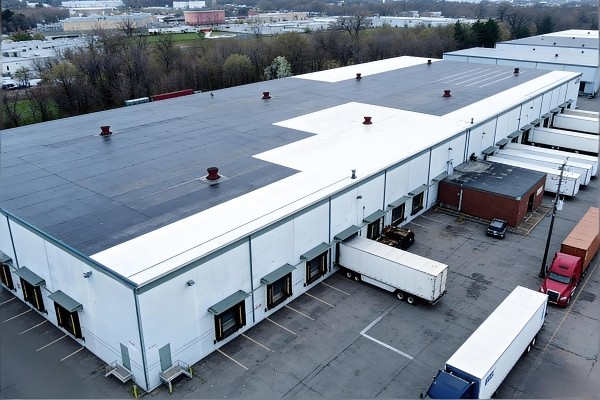
Urgent Shipments: In the case of urgent air freight, the weight calculation remains the same, but the rates are generally higher. However, some airlines might offer incentives for businesses that can accurately forecast their shipment weights in advance, such as discounted rates.
2. Sea Freight
Full Container Load (FCL): For FCL shipments, the weight limit of the container is a crucial factor. A standard 20 - foot container typically has a maximum weight capacity of around 22,000 kg, while a 40 - foot container can hold up to 26,000 kg. Shipping companies will charge based on the container usage, and if the weight exceeds the limit, additional fees will apply.Less than Container Load (LCL): In LCL shipments, the weight and volume are combined to calculate the chargeable weight. Each cubic meter of cargo is assigned an equivalent weight, and the shipping cost is based on the sum of the actual weight and the volumetric weight.
IV. Cost - Saving Tips Based on Weight Calculation
1. Package Optimization
Both individuals and businesses can save on shipping costs by optimizing their package sizes. For example, removing unnecessary packaging materials can reduce both the actual weight and the volumetric weight. A business that ships electronics might consider using custom - designed boxes that fit their products snugly, rather than large, oversized boxes.
2. Consolidation
Consolidating multiple small shipments into one larger shipment can also be cost - effective. An individual who receives several packages from different Chinese suppliers can ask the freight forwarder to consolidate them into one package before shipping. This way, the overall volumetric weight might be reduced, and the shipping cost will be lower.
V. FAQ Section
Q1: What is the main difference between actual weight and volumetric weight?
A: Actual weight is the real weight of your package, while volumetric weight takes into account the space your package occupies. Shipping companies usually charge based on the higher of the two weights. At [深圳奥飞货运], we accurately calculate both weights to ensure you get the fairest price.
Q2: How can I reduce the chargeable weight for my shipment?
A: You can optimize your package size by removing excess packaging and using smaller boxes. Another option is to consolidate multiple shipments. We at [深圳奥飞货运] offer free repackaging and consolidation services to help you save on shipping costs.
Q3: Do the transport policies in 2026 affect weight calculation?
A: Yes, customs regulations require accurate weight declaration, and miscalculating can lead to delays and penalties. Also, weight - based quotas for certain goods might apply. We stay updated on these policies to ensure your shipments are compliant and smooth.
Q4: Can I ship sensitive goods, and how does weight calculation apply to them?
A: We at [深圳奥飞货运] can handle a wide range of sensitive goods such as food, cosmetics, and electrical items. The weight calculation for sensitive goods is the same as for regular goods. We have a high - success rate in clearing sensitive goods through customs.
Q5: How does weight calculation differ between air freight and sea freight?
A: Air freight often uses a different volumetric divisor (usually 6000) compared to sea freight (which can be 5000 or 3000). Also, in sea freight, the weight limit of the container is a significant factor for FCL shipments. We offer a variety of shipping options, including air and sea freight, and can help you choose the most cost - effective one based on your shipment's weight and volume.
Australia freight forwarding is a complex but manageable process. By understanding how weight calculation works, you can make informed decisions and save on shipping costs. Whether you're an individual sending a gift to a friend in Australia or a business shipping large volumes of goods, accurate weight calculation is key.
Australia freight forwarding is a complex but manageable process. By understanding how weight calculation works, you can make informed decisions and save on shipping costs. Whether you're an individual sending a gift to a friend in Australia or a business shipping large volumes of goods, accurate weight calculation is key.
Get the latest quotes for Australia shipping, calculate volumetric weights, and discover sensitive - goods shipping options on our official website: https://www.aofeifreight.com. Call us at + 86 - 16676978829. As a professional Australia freight forwarding company, we offer one - stop logistics services with exclusive discounts for students and overseas Chinese. Track your shipments throughout the process, and enjoy a worry - free experience!