


Introduction
In the world of Australian freight, one of the most common decisions shippers face is choosing between fast and slow ocean freight. This choice isn't just about speed; it involves a complex interplay of cost, cargo type, and delivery timelines. As we step into 2026, new policies on the China - Australia and Australia - China shipping routes add another layer of complexity to this decision. Let's dive into the differences and understand which option is best for different scenarios.
I. Fast Ocean Freight in Australia
Speed and Delivery Time Fast ocean freight is designed for shippers who value time above all else. In 2026, with improved shipping routes and technology, fast ocean freight from China to Australia can take as little as 12 - 15 days, compared to the traditional 28 - 35 days for regular ocean freight. For example, a furniture manufacturer in China shipping high - end, time - sensitive pieces to retailers in Sydney can use fast ocean freight to ensure the products reach the market quickly.Cost Considerations Naturally, the speed comes at a price. Fast ocean freight is generally 30% - 50% more expensive than slow ocean freight. For instance, shipping a 20 - foot container from Shanghai to Melbourne via fast ocean freight might cost around $3000, while the same container via slow ocean freight could cost around $2000.
Cargo Suitability It is ideal for high - value, perishable, or time - critical goods. Electronic gadgets, high - end fashion items, and fresh produce are all good candidates for fast ocean freight. In 2026, with the increasing demand for quick delivery in the e - commerce sector, more and more online retailers are turning to fast ocean freight to meet their customers' expectations.
II. Slow Ocean Freight in Australia
Delivery Timeframe Slow ocean freight is the traditional and more common option for shipping between China and Australia. It typically takes 28 - 35 days for a shipment to reach its destination, although this can vary depending on the ports of departure and arrival, as well as any unforeseen circumstances such as bad weather or port congestion. A large Australian import company that sources bulk building materials from China, for example, can afford to wait for the slower shipping option due to the non - perishable nature of the goods.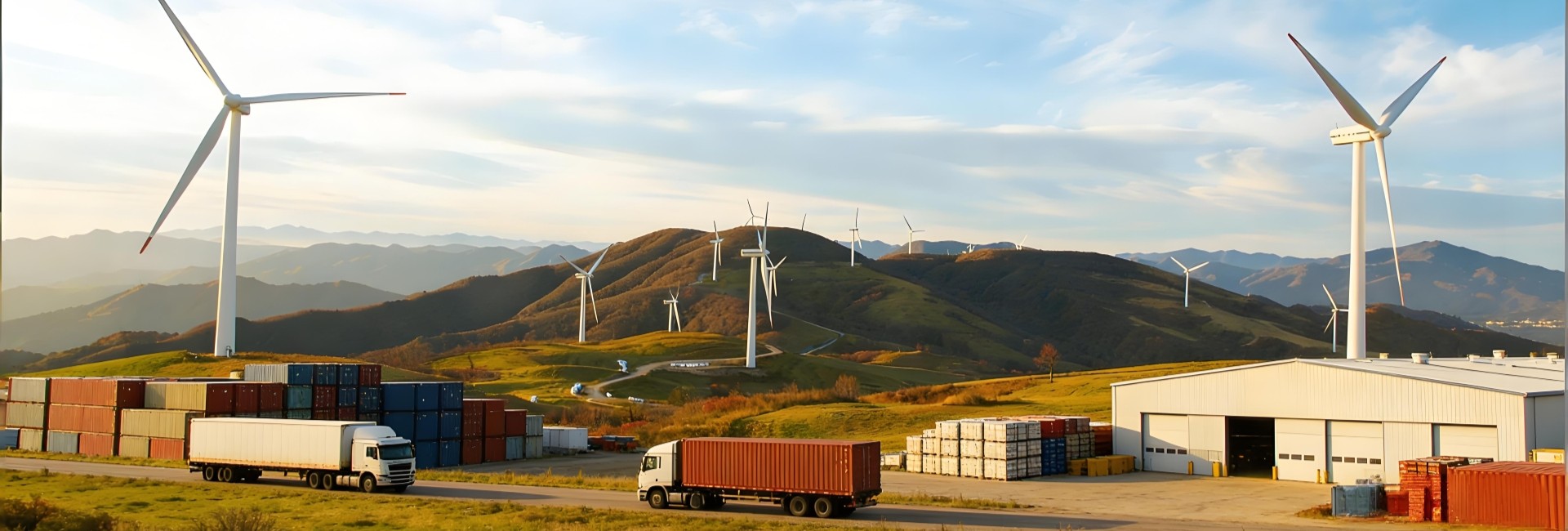
Cost - Saving Advantages The main advantage of slow ocean freight is its cost - effectiveness. The lower cost makes it a popular choice for shippers dealing with large volumes of non - time - critical goods. For bulk shipments of raw materials like iron ore or coal from Australia to China, slow ocean freight is the most economical option.
Cargo Types Slow ocean freight is suitable for heavy, bulky, and non - perishable goods. Manufacturers shipping large quantities of machinery, construction materials, and even some consumer goods like textiles can opt for slow ocean freight to save on shipping costs.
III. The Impact of 2026 China - Australia and Australia - China Shipping Policies
Customs and Clearance In 2026, new customs policies on the China - Australia and Australia - China shipping routes aim to streamline the clearance process. For both fast and slow ocean freight, this means potentially less time spent at customs. However, fast ocean freight may benefit more as it can maintain its time - sensitive advantage. For example, a new pre - clearance system allows shippers to submit documentation in advance, reducing the time a shipment spends in customs from an average of 3 days to just 1 day.Environmental Regulations There are also new environmental regulations in place. Shipping companies are required to use more eco - friendly fuels and reduce emissions. This may lead to some changes in the shipping schedules and costs. Slow ocean freight, which often uses larger vessels that can be more easily adapted to comply with these regulations, may experience smaller cost increases compared to fast ocean freight.
Trade Agreements New trade agreements may also affect the choice between fast and slow ocean freight. If there are incentives for faster delivery of certain goods, shippers may be more inclined to choose fast ocean freight. For example, a reduced tariff for time - sensitive agricultural products may encourage Chinese farmers to use fast ocean freight to ship their produce to Australia.
IV. How to Choose the Right Option for Your Business
Understand Your Cargo Needs If your cargo is perishable, high - value, or time - critical, fast ocean freight is likely the better option. On the other hand, if you are shipping large volumes of non - perishable goods, slow ocean freight can save you a significant amount of money.Consider Your Budget Your budget plays a crucial role in this decision. If you have a tight budget and can afford to wait for your goods to arrive, slow ocean freight is the way to go. However, if the profit you can make from timely delivery outweighs the extra cost, fast ocean freight may be worth the investment.
Evaluate Market Demand Analyze the market demand for your products. If there is a high demand for quick delivery, such as in the case of trendy consumer electronics, fast ocean freight can help you stay competitive.
V. FAQs
Q: Can I trust fast ocean freight to be on time? A: In 2026, with the improved shipping routes and better management, fast ocean freight has a high level of reliability. For example, many shipping companies now offer a guarantee on delivery times, with compensation if they fail to meet the promised deadline. At [Company Name] [Company Abbreviation], we have a proven track record of delivering on time, making use of the latest information systems to track and manage shipments.Q: Are there any restrictions on the type of cargo I can ship via slow ocean freight? A: While slow ocean freight can handle a wide range of non - perishable goods, there are still some restrictions. Hazardous materials, for example, need to comply with strict international regulations. However, [Company Name] [Company Abbreviation] has a professional team that can help you navigate these regulations and ensure your cargo meets all the requirements.
Q: How does the new environmental policy affect the cost of shipping? A: The new environmental policy may lead to some cost increases for both fast and slow ocean freight. However, slow ocean freight, with its larger vessels, may be more easily adapted to use eco - friendly fuels, resulting in relatively smaller cost increases compared to fast ocean freight. At [Company Name] [Company Abbreviation], we are constantly looking for ways to optimize our shipping processes to minimize the impact of these cost increases on our customers.
Q: Can I switch from slow to fast ocean freight after I've already booked? A: It is possible to switch from slow to fast ocean freight, but it depends on the shipping company's policies and the availability of space on fast - moving vessels. At [Company Name] [Company Abbreviation], we strive to be flexible and accommodating to our customers' needs. If you need to switch, our customer service team will do their best to assist you, although there may be some additional fees involved.
Q: How does [Company Name] [Company Abbreviation] ensure the safety of my cargo during shipping? A: We offer a range of services to ensure the safety of your cargo. For example, we provide free waterproof and加固 services for all shipments. Our experienced team also carefully selects shipping partners with a good safety record, and we use high - quality packaging materials to protect your goods during transit.
Conclusion
In conclusion, the choice between fast and slow ocean freight in Australia depends on various factors, including the nature of your cargo, your budget, and market demand. With the new policies in place in 2026 on the China - Australia and Australia - China shipping routes, shippers need to carefully consider these factors to make the most cost - effective and efficient decision. Whether you choose fast or slow ocean freight, [Company Name] [Company Abbreviation] can provide you with a reliable and comprehensive shipping solution.
Get the latest quotes for Australia consolidation, calculate the volumetric weight for Australia shipments, and find reliable channels for shipping sensitive goods by visiting our official website: https://www.aofeifreight.com, or call us at + 86 - 16676978829. As a professional Australia consolidation company, we offer one - stop logistics services with exclusive discounts for international students and overseas Chinese. Track your shipments throughout the journey for a worry - free experience!