


In the dynamic world of international logistics, the cost of freight forwarding to Australia is a topic that grips the minds of both individuals and businesses. In 2026, the pricing landscape for shipping to Australia comes with its own set of nuances and variables. Let's embark on a journey to understand how much the first - weight costs are under different scenarios and what goes into the pricing breakdown.
I. Personal Shipping
1. Pricing Mechanism
For personal shipping, the first - weight cost in 2026 is intricately tied to the shipping mode. Take air freight, for example. On average, the first - weight cost for air freight from China to Australia in personal shipping hovers around $20 - $30 per kilogram. If you're shipping a small gift box or personal belongings, you'll likely encounter this range.
However, sea freight presents a different picture. The first - weight pricing for sea freight is generally more affordable, with rates starting from as low as $3 - $5 per kilogram in some cases. A single shipping container can hold a large quantity of personal items, and the first - weight cost is just the starting point of the overall expenses. For instance, a family shipping furniture and personal effects during a relocation might find sea freight a more budget - friendly option despite the longer transit time.
2. Factors Affecting Pricing
Distance: The specific origin in China and the destination in Australia play a vital role. Shipping from Shenzhen to Sydney might have a slightly different first - weight cost compared to shipping from Chengdu to Melbourne due to the different shipping routes and distances involved.Seasonality: Peak shipping seasons, such as the holiday season, can drive up the first - weight cost. During these times, demand is high, and carriers may adjust their prices accordingly.
II. Business Consignments
1. Bulk Goods Shipping
Businesses dealing with bulk goods shipping often get different first - weight pricing. In 2026, for large - scale shipments of products like electronics or textiles, air freight first - weight prices can be negotiated. Depending on the volume of the shipment, companies can expect to pay around $15 - $25 per kilogram. For example, a tech company shipping a large batch of smartphones to Australia might secure a better first - weight rate due to the large quantity.
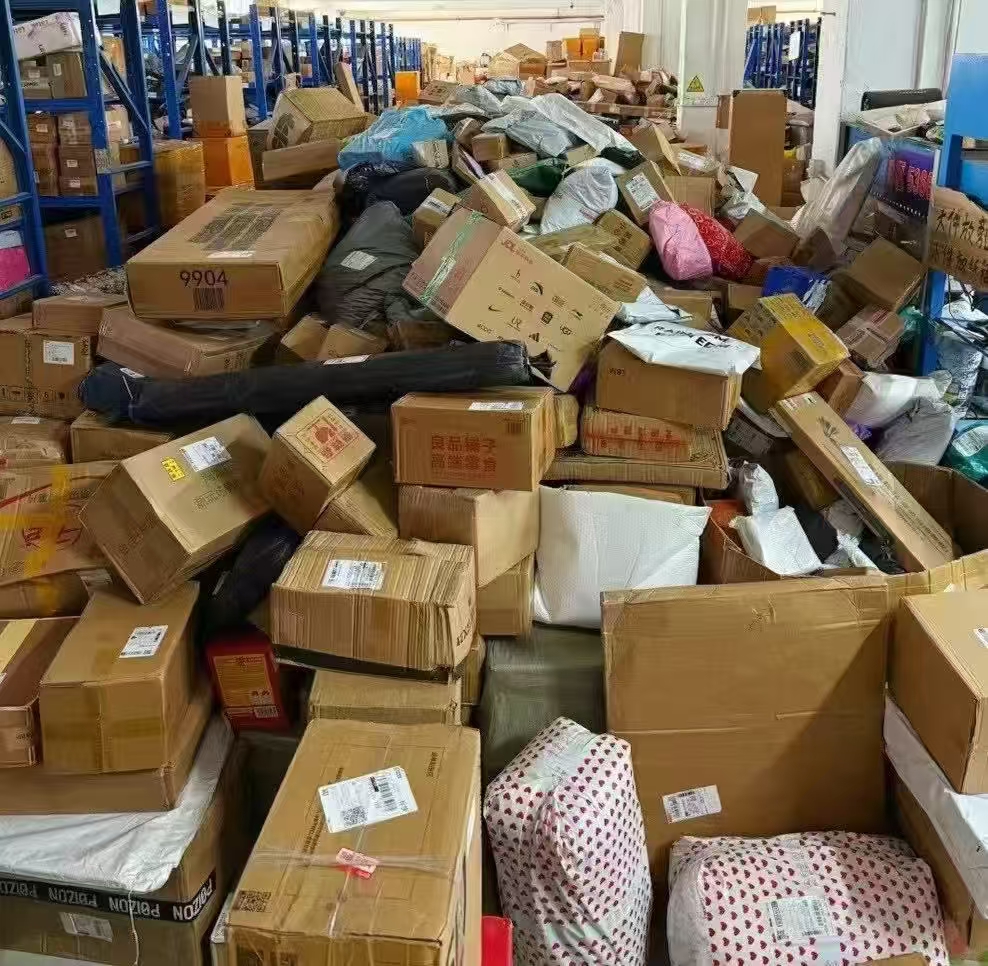
Sea freight for bulk goods is a popular choice for businesses aiming to save costs. The first - weight cost for sea freight business consignments usually starts at about $2 - $4 per kilogram. A clothing manufacturer sending a large inventory of garments to Australia can benefit from these lower rates.
2. Express Shipping for Urgent Orders
When businesses need to get their products to the Australian market quickly, express shipping is the go - to option. The first - weight cost for express shipping in 2026 is significantly higher. It can range from $50 - $80 per kilogram. A business that needs to restock a popular product urgently in Australian stores will have to bear this higher cost for the speed and reliability of express shipping.
III. Other Scenarios
1. Fragile or High - Value Goods
Shipping fragile or high - value items like antique furniture or precious jewelry requires special handling. The first - weight cost for such shipments is understandably higher. In 2026, air freight for these goods can have a first - weight price of $40 - $60 per kilogram to account for the extra insurance and careful handling.
2. Samples and Promotional Materials
Companies sending samples or promotional materials to Australia also fall into a different pricing category. For small - scale sample shipments, air freight first - weight costs are generally around $25 - $35 per kilogram. This allows businesses to showcase their products to potential Australian clients without incurring exorbitant shipping costs at the start.
IV. 2026 China - Australia and Australia - China Transport Routes Policies
1. China - Australia
In 2026, the Chinese government has implemented several policies to encourage trade between the two countries. New tax incentives are in place for shipping companies, which can potentially lead to lower first - weight costs. Additionally, there are dedicated green - channel policies for certain types of goods, reducing the overall processing time at customs and enabling faster delivery.
2. Australia - China
Australia has introduced stricter environmental regulations for shipping vessels. This might increase the operational costs for shipping companies to some extent, which could have a minor impact on the first - weight pricing. However, at the same time, the Australian government is promoting digitalization in customs clearance, streamlining the process and potentially offsetting some cost increases.
V. FAQ
1. What affects the first - weight cost the most in Australia freight forwarding?
The shipping mode has the most significant impact on the first - weight cost. Air freight is generally more expensive than sea freight. Other factors like the type of goods, distance, and seasonality also play important roles. At Shenzhen奥飞货运, we have a team of experts who can analyze your specific situation and find the most cost - effective solution.
2. Can I negotiate the first - weight cost for business consignments?
Yes, you can. For large - scale business consignments, carriers are often open to negotiation. Shenzhen奥飞货运 has extensive experience in negotiating rates with carriers on behalf of our clients, ensuring you get the best possible price.
3. How does the new Australian environmental policy affect the first - weight cost?
The new Australian environmental policy might increase the operational costs of shipping companies, which could lead to a slight rise in the first - weight cost. However, we at Shenzhen奥飞货运 work closely with our partners to manage these costs and minimize the impact on our clients.
4. Are there any hidden costs in addition to the first - weight cost?
There could be additional costs such as customs duties, insurance fees, and handling charges. At Shenzhen奥飞货运, we provide transparent pricing information and will clearly explain all potential costs to you upfront.
5. Can I get a more accurate first - weight cost estimate?
Yes. By providing detailed information about your shipment, including the type of goods, volume, and destination in Australia, Shenzhen奥飞货运 can give you a more accurate first - weight cost estimate and a comprehensive shipping plan.
In conclusion, understanding the first - weight cost for Australia freight forwarding in 2026 is crucial for effective shipping planning. Whether you're an individual sending personal items or a business shipping products, being aware of the pricing breakdown and the relevant policies can help you make informed decisions.
For the latest quotes on Australia freight forwarding, volume - weight calculations, and options for shipping sensitive goods, visit our official website: https://www.aofeifreight.com, or call us at +86 - 16676978829. As a professional Australia freight forwarding company, we offer one - stop logistics services. Enjoy exclusive discounts for international students and overseas Chinese, and track your shipment throughout the process for a safe and worry - free experience.