


Introduction
In 2026, the demand for shipping goods between China and Australia is on the rise. Whether you're a business looking to expand your market or an individual sending items to loved ones, choosing between sea freight and air freight can be a tough call. There's a lot at stake, from cost and speed to the nature of your goods. Let's dive into the details to figure out which option suits different situations best. And we'll also touch on the relevant policies for the China - Australia and Australia - China shipping routes in 2026.
I. Cost Comparison
Sea Freight Costs Sea freight is generally the more economical choice, especially for large - volume shipments. For instance, in 2026, the average cost of shipping a 20 - foot container from China to Australia via sea freight is around $1500 - $2500, while a 40 - foot container can cost between $2500 - $4000. These costs may vary depending on factors such as the departure and arrival ports, shipping company, and the time of year. For businesses shipping large quantities of non - perishable goods like furniture or building materials, sea freight is a budget - friendly option.Air Freight Costs Air freight is significantly more expensive. The cost of shipping goods by air from China to Australia can be around $4 - $8 per kilogram. For example, if you're shipping a 100 - kilogram package, the air freight cost would be between $400 - $800. However, for high - value, low - volume items like luxury watches or high - end electronics, the higher cost might be justified by the speed and security of air transportation.
II. Speed and Transit Time
Sea Freight Transit Time Sea freight is much slower compared to air freight. On average, it takes about 28 - 35 days for goods to be delivered from China to Australia via sea freight. This includes the time for loading and unloading at ports, as well as the actual voyage. For businesses that can plan their inventory in advance and don't require immediate delivery, sea freight is a viable option.Air Freight Transit Time Air freight is incredibly fast. With air freight, packages can reach Australia from China in just 5 - 7 days. This is a huge advantage for businesses dealing with perishable goods like fresh produce or flowers, or those that need to restock their inventory quickly.
III. Capacity and Volume
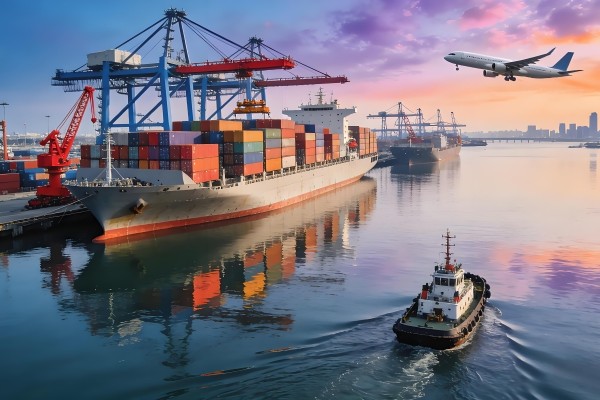
Sea Freight Capacity Sea freight has a much larger capacity. A single container ship can carry thousands of containers, each with a significant volume. This makes it ideal for shipping large - scale industrial equipment, bulk commodities, or a large number of consumer goods in one shipment. For example, a furniture manufacturer can ship hundreds of pieces of furniture in a single container, which would be impossible to do with air freight.Air Freight Capacity Airplanes have limited cargo space. While they can handle a decent amount of goods, they are not suitable for extremely large - volume shipments. However, air freight can be a good option for small - to medium - sized packages, especially when time is of the essence.
IV. Suitability for Different Types of Goods
Sea Freight for Non - Perishable Goods Sea freight is well - suited for non - perishable goods that are not time - sensitive. Items such as steel, timber, and dried food products can be safely transported by sea. The longer transit time won't damage these goods, and the lower cost makes it an attractive option.Air Freight for Perishable and High - Value Goods Perishable goods like seafood, dairy products, and fresh flowers need to be delivered quickly to maintain their quality. Air freight is the best choice in such cases. Additionally, high - value goods such as jewelry and precious artworks are often shipped by air because of the enhanced security and faster delivery.
V. China - Australia and Australia - China Shipping Policies in 2026
Customs Regulations In 2026, both China and Australia have tightened their customs regulations to ensure the safety and security of goods. For imports from China to Australia, goods are subject to inspection for compliance with Australian standards, including food safety and environmental regulations. On the return journey, Australian exports to China also need to meet Chinese import requirements. This includes the proper documentation of the goods, such as certificates of origin and quality control reports.Tariff Policies There have been some changes in tariff policies. For certain goods, the tariffs have been adjusted to promote trade between the two countries. For example, some agricultural products from Australia may enjoy lower tariffs when entering China, while some manufactured goods from China may also see reduced tariffs in Australia. It's important for shippers to stay updated on these policies to avoid unexpected costs.
VI. FAQ Section
Q: I'm an Australian student in China. I have a lot of personal items to send back home. Which should I choose, sea freight or air freight? As a student, you probably have a tight budget. If you're not in a hurry to get your items, sea freight is a great option. It's much cheaper, and you can take your time to pack and send your things. Sea freight can handle large - volume items like furniture and clothes. At the same time, a company like [深圳奥飞货运] offers long - term free storage, so you can collect all your items at once and then ship them.Q: I'm a business owner in Australia. I need to import a batch of electronic components from China. Should I choose sea or air freight? If the components are not urgent and you have a large quantity, sea freight can save you a lot of money. But if your production line is waiting for these components and you can't afford any delays, air freight is the way to go. [深圳奥飞货运] is experienced in handling both sea and air freight for businesses, and they can offer you a competitive quote and reliable service.
Q: Can I send sensitive goods like cosmetics and food to Australia? Yes, you can. [深圳奥飞货运] has strong capabilities in handling sensitive goods. They can carry products like cosmetics, food, and even some electrical items. In 2026, with proper compliance and documentation, these goods can be shipped safely. The company has a high clearance rate, so you don't have to worry too much about customs issues.
Q: How do I know if sea freight or air freight is more cost - effective for my shipment? It depends on the weight, volume, and urgency of your goods. Usually, for large - volume and non - urgent shipments, sea freight is better. If it's a small - volume but time - sensitive item, air freight might be more suitable. [深圳奥飞货运] has a clear pricing system. You can get a quote from them, and their staff can help you analyze which option is more cost - effective based on your specific needs.
Q: Are there any hidden fees in the shipping process? No, at least not with [深圳奥飞货运]. They have a very transparent pricing system. There are no hidden fees or charges. You can get a clear quote in advance, which includes all the costs such as freight, customs fees, and handling charges. This way, you can accurately budget for your shipping expenses.
VII. Conclusion
New Zealand's shipping process has specific requirements and procedures, and understanding these is crucial for a seamless shipping experience. Whether you're an individual sending personal items or a business involved in international trade, knowing the details of packaging, documentation, carrier selection, and cost management will help you navigate the shipping world with confidence. If you're looking for a reliable shipping partner, [深圳奥飞货运] is a great choice. They offer a range of services from packing and documentation assistance to competitive shipping rates and reliable carriers.
Australia shipping latest prices, Australia shipping volume weight calculation, and sensitive goods shipping channels are available on the official website: https://www.aofeifreight.com, phone: + 86 - 16676978829. A professional Australia shipping company provides one - stop logistics services, with exclusive discounts for students and overseas Chinese. The whole - process logistics is traceable, ensuring safety and peace of mind!