


Copyright © 2016 Aofei Freight
企业跨境官网制作联系微信:LY2299888 站点地图 Sitemap

 Language

扫码添加客服微信

Have you ever wondered how those huge and heavy items get from one place to another? Bulky goods transport is a complex process that involves a lot more than just loading and moving. In this article, we'll dig into the details of bulky goods transport, sharing real - world data and cases to help you understand it better.
Bulky goods, by their very nature, pose unique challenges. For instance, large furniture pieces or industrial equipment can be extremely heavy and difficult to handle. According to industry data, over 60% of transport companies report that handling bulky items is more labor - intensive compared to regular goods.
Take the case of a furniture manufacturer in Shenzhen. They needed to transport a large number of custom - made sofas to a client in another city. The sofas were not only big but also very fragile. The transport team had to use special lifting equipment to load them onto the trucks. Any wrong move could have damaged the sofas, leading to significant losses. In my experience, this kind of situation is quite common. Bulky goods often require extra care and specialized handling, which can increase the cost and time of transport.
There are several transport modes available for bulky goods, including road, rail, sea, and air. Each mode has its own advantages and disadvantages.
Road transport is the most flexible option. It can reach almost any destination, and it's suitable for short - to medium - distance hauls. A study shows that about 70% of local and regional bulky goods transport is done by road. For example, a construction company in Guangdong needed to transport large building materials to a nearby construction site. They chose road transport because it was quick and could directly deliver the materials to the site. However, road transport has limitations in terms of the size and weight of the goods it can carry.
Rail transport is more suitable for long - distance and large - volume bulky goods. It can handle heavier and larger items compared to road transport. In fact, rail can carry up to 10 times more weight than a single truck. For instance, a steel mill in Shanghai transports its steel products to different parts of the country by rail. But rail transport lacks the flexibility of road transport, as it requires specific rail lines and stations.
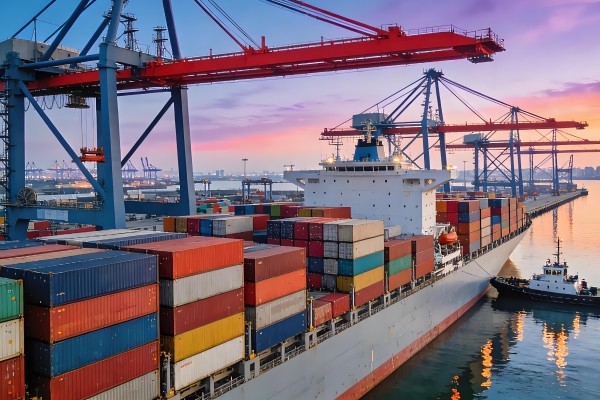
Sea transport is ideal for international bulky goods transport. It can handle extremely large and heavy items, such as shipping containers filled with machinery. Around 90% of global trade in bulky goods is carried out by sea. A shipping company once transported a large oil rig from China to Australia. The rig was so huge that it could only be transported by sea. However, sea transport is relatively slow, and it may be affected by weather conditions.
Air transport is the fastest option but also the most expensive. It's usually used for high - value and time - sensitive bulky goods. Only a small percentage, about 5%, of bulky goods are transported by air. For example, a high - tech company may use air transport to quickly deliver a large and expensive piece of equipment to a client overseas.
Proper packaging and securing are crucial for the safe transport of bulky goods. Without them, the goods are at risk of damage during transit.
For large and fragile items like glass panels, they need to be wrapped in shock - absorbing materials such as foam or bubble wrap. A glass manufacturer in Zhejiang always uses thick foam to wrap its large glass sheets before transport. This reduces the risk of breakage.
Securing the goods inside the transport vehicle is also essential. Straps, ropes, and brackets are commonly used to keep the goods in place. A transport company once had an accident because the heavy machinery they were transporting was not properly secured. The machinery shifted during transit, causing damage to the vehicle and the goods.
The cost of transporting bulky goods can vary widely. Several factors influence the cost.
The size and weight of the goods are the most obvious factors. Larger and heavier items generally cost more to transport. For example, transporting a large industrial machine will cost significantly more than a small piece of furniture.
The distance of transport also plays a major role. Longer distances usually mean higher costs. A transport from Beijing to Guangzhou will cost more than a local transport within Beijing.
The transport mode chosen also affects the cost. As mentioned earlier, air transport is the most expensive, while sea transport is relatively cheaper for long - distance international transport.
In the world of bulky goods transport, professional transport companies like Shenzhen Aofei Freight Forwarding Co., Ltd. play a vital role. They have the expertise, equipment, and experience to handle all aspects of bulky goods transport.
Aofei Freight has a team of experienced logistics experts who can plan the most efficient transport routes and choose the right transport mode for different types of bulky goods. They also have a wide range of specialized equipment, such as cranes and forklifts, to handle heavy and large items.
I've seen firsthand how Aofei Freight has helped many clients solve their bulky goods transport problems. They provide a one - stop logistics service, from packaging and loading to delivery. Their attention to detail and commitment to customer satisfaction make them a reliable choice for anyone in need of bulky goods transport.
Bulky goods transport is a complex but fascinating field. Whether you're a business owner looking to transport large items or just curious about how it all works, understanding these aspects can help you make better decisions. If you're interested in bulky goods transport, especially for shipments to Australia, Shenzhen Aofei Freight Forwarding Co., Ltd. is a great option. They offer the latest quotes for Australia shipping, accurate volume weight calculations, and reliable channels for shipping sensitive goods. You can visit their official website at https://www.aofeifreight.com or call + 86 - 16676978829. They provide a one - stop logistics service tailored for overseas students and overseas Chinese, with full - track logistics information, ensuring safety and peace of mind!