


I. Introduction
As an e-commerce seller in Australia, I'm sure you've faced your fair share of headaches when it comes to sourcing products from China. From navigating complex customs regulations to dealing with unexpected shipping delays, the world of Sino-Australia logistics forwarding can be a minefield. I've been in the industry for over a decade, and I've seen it all. I remember a small apparel importer in Sydney who once ordered a large batch of summer clothing from a factory in Guangzhou. The shipment was delayed due to a mislabeling issue at customs, and by the time the clothes arrived, the Australian summer was almost over. This kind of situation is more common than you might think. But don't worry, in this article, I'll share some key things you need to know about Sino-Australia logistics forwarding in 2026.
II. Industry Landscape and Policy Updates in 2026
The Australian Border Force (ABF) and the Department of Agriculture, Fisheries and Forestry (DAFF) have introduced several new regulations in 2026. One of the significant changes is the tighter control on bio-security. They're now more vigilant about preventing the entry of pests and diseases through imported goods. For instance, if you're importing wooden furniture, you'll need to ensure it meets the strict bio-security standards. There've been cases where shipments were held up for weeks because the wood didn't have the proper treatment or certification.
Another notable change is in the customs valuation process. The ABF has updated its guidelines to ensure more accurate assessment of the value of imported goods. This means you need to be more meticulous when providing invoice details. Incorrect valuation can lead to hefty fines or delays in clearing your goods.
III. Core Section: Logistics Channels and Their Pros and Cons (40% of the Article)
1. Air Freight
Advantages: Speed: Air freight is undoubtedly the fastest option. It can take as little as 3-5 days for your goods to reach major Australian cities like Sydney, Melbourne, or Brisbane. This is crucial if you're dealing with high-demand products or restocking your inventory quickly.Reliability: Airlines generally have strict schedules, so you can expect your goods to arrive on time with a high degree of certainty.
Disadvantages: Cost: It's considerably more expensive than sea freight. On average, the cost per kilogram for air freight can be 5-10 times higher than sea freight.
Capacity Limitations: There are weight and size restrictions, which may not be suitable for large or bulky items.
2. Sea Freight
Advantages: Cost-Effectiveness: Sea freight is the most economical option for large volumes of goods. It can save you a significant amount of money, especially for bulk shipments. For example, if you're a home goods seller importing a large quantity of furniture, sea freight would be your best bet.Large Capacity: It can handle large and heavy items without many restrictions. You can ship oversized items like pianos or industrial equipment.
Disadvantages: Long Transit Time: Sea freight is much slower compared to air freight. Transit times can range from 14 to 30 days, depending on the route and port congestion.
Higher Risk of Delays: There are more variables involved in sea freight, such as weather conditions, port strikes, and congestion. These factors can lead to unexpected delays.
3. Express Courier Services
Advantages: Convenience: Courier services offer door-to-door delivery, which is very convenient for small to medium-sized businesses. You don't have to worry about handling customs clearance or arranging pick-up at the port.Tracking: They usually provide real-time tracking, so you can keep an eye on your shipment at all times.
Disadvantages: Cost: Similar to air freight, courier services can be quite expensive, especially for larger shipments.
Limited Coverage: They may not be suitable for extremely large or heavy items, and their services may not be available in some remote areas.
IV. Common Pitfalls and How to Avoid Them
1. Incorrect Documentation
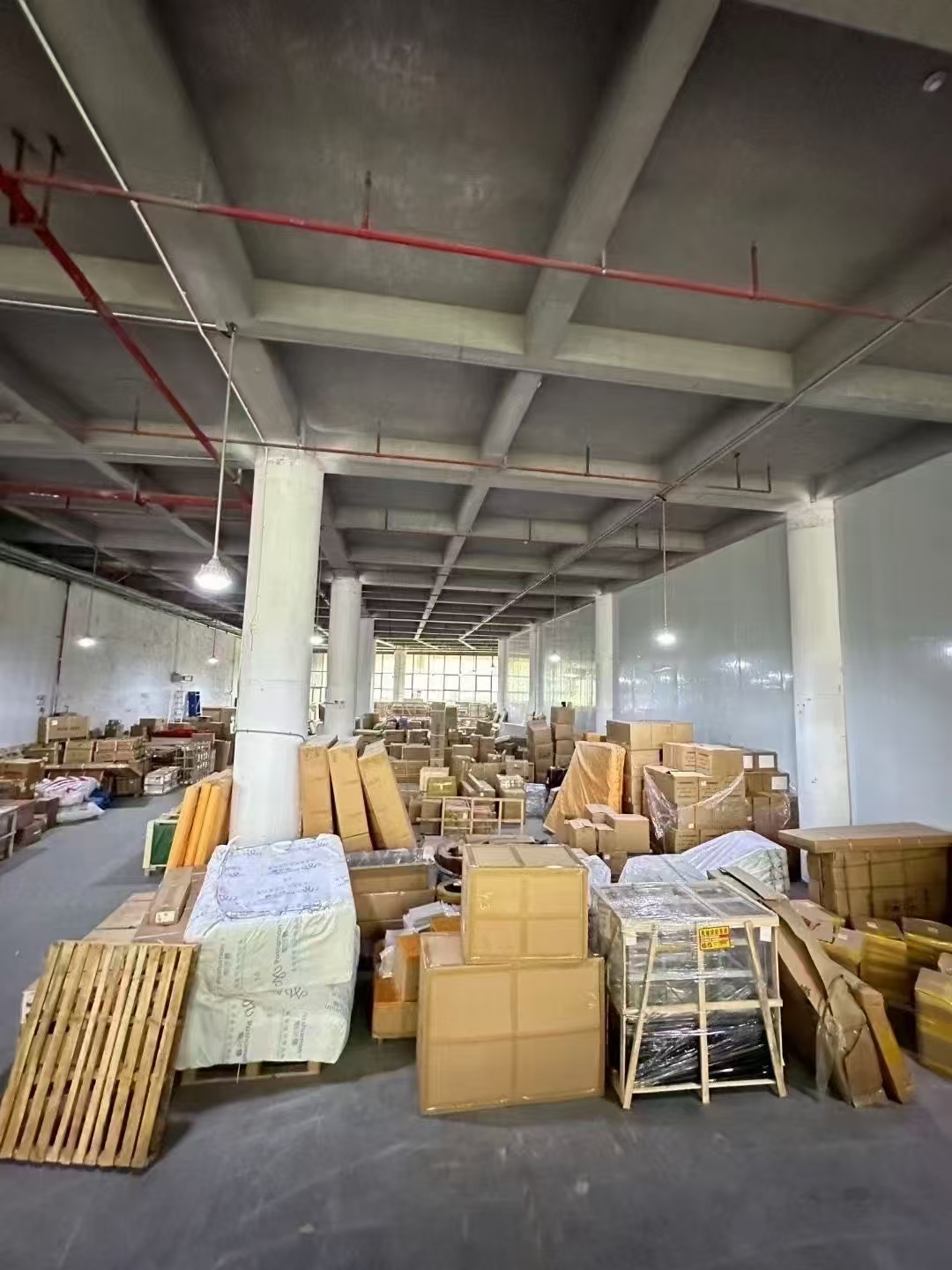
Incorrect or incomplete documentation is one of the most common causes of delays at customs. Make sure you provide accurate invoice details, including the description, quantity, and value of your goods. Also, check the specific requirements for your product, such as certificates of origin or safety certifications. For example, if you're importing electronics, you may need to provide safety certificates to prove they meet Australian standards.
2. Bio-Security Compliance
As mentioned earlier, bio-security regulations are getting stricter in 2026. If you're importing products made from natural materials like wood, bamboo, or leather, make sure they're properly treated and certified. I had a client back in 2024 who imported a batch of bamboo furniture without the proper bio-security treatment. The entire shipment was confiscated at Port Botany, and he suffered a huge loss.
3. Shipping Insurance
Many sellers overlook the importance of shipping insurance. However, accidents can happen during transit, such as damage, theft, or loss. Purchasing shipping insurance can protect you from financial losses. Make sure you understand the terms and coverage of the insurance policy before making a purchase.
V. Choosing the Right Logistics Provider
When choosing a logistics provider, there are several factors to consider. First, look for a provider with experience in Sino-Australia logistics. They should have a good understanding of the local customs regulations and shipping processes. Second, check their reputation. You can read online reviews or ask for references from other businesses. Third, consider their service offerings. Do they provide door-to-door delivery? Do they offer value-added services like warehousing or customs clearance?
For example, [Aofei International Logistics] has been specializing in Sino-Australia logistics for over 12 years. They offer a full range of services, including domestic pick-up, warehousing, packaging, international shipping, and Australian customs clearance. They also have a team of experienced professionals who can help you navigate the complex logistics process and ensure your goods arrive safely and on time.
VI. FAQ
Q: How can I ensure my goods pass customs smoothly? A: Make sure your documentation is accurate and complete. Follow all bio-security and safety regulations. It's also a good idea to work with an experienced logistics provider who can help you with the customs clearance process.
Q: What's the best shipping method for small, high-value items? A: Air freight or express courier services are usually the best options for small, high-value items. They offer faster transit times and better security.
Q: Can I ship sensitive goods like cosmetics or electronics? A: Yes, many logistics providers can handle sensitive goods. However, you need to ensure they meet the relevant safety and regulatory requirements. For example, [Aofei International Logistics] can handle a wide range of sensitive goods and has a high clearance rate.
Q: How do I deal with shipping delays? A: First, stay in touch with your logistics provider to get regular updates. If the delay is due to customs issues, work with your provider to resolve the problem as quickly as possible. In some cases, you may need to purchase shipping insurance to cover any losses caused by the delay.
Q: What are the costs associated with Sino-Australia logistics? A: The costs include freight charges, customs duties, taxes, and any additional fees for services like warehousing or packaging. The exact costs depend on factors such as the shipping method, the weight and volume of your goods, and the value of the goods.
In summary, as an Australian e-commerce seller sourcing from China, it's essential to stay informed about the latest industry trends and regulations. By choosing the right logistics channel, avoiding common pitfalls, and working with a reliable logistics provider, you can ensure a smooth and cost-effective supply chain. Keep these tips in mind as you navigate the world of Sino-Australia logistics forwarding in 2026.