


I. Introduction
Shipping household goods to Australia can be a complex process, and in 2026, there are new challenges and regulations due to policy changes. I've been in the cross - border logistics business for years, and I've seen many clients encounter issues during shipping. For instance, a home goods seller in Brisbane in 2024 tried to ship a large batch of furniture from China. He didn't know about the new plant quarantine regulations, and the goods were held up at Port Botany for weeks, causing significant losses.
II. New Regulations and Policy Changes in 2026
Customs and Biosecurity Policies In 2026, the Australian Border Force (ABF) has tightened its biosecurity regulations. Household goods made from natural materials like wood, leather, and wool are subject to more rigorous inspections. For example, any wooden furniture must be treated and have a certificate to prove it's free from pests and diseases. I had a client who shipped a beautiful antique wooden cabinet from China. Since it didn't have the proper treatment certificate, it was either going to be sent back or treated at a high cost in Australia.The Department of Agriculture, Fisheries and Forestry (DAFF) has updated the list of prohibited and restricted items. Certain types of food products and plants that were previously allowed under certain conditions are now completely banned. This is important for home goods sellers who might be shipping items like decorative food items or herbal products.
Tariff and Tax Policies The customs valuation process has become more detailed. The value declared for the goods must be accurate, including all costs such as shipping and insurance. Home goods sellers often underestimate the value to save on taxes, but this can lead to penalties. For example, if you declare a set of high - end dinnerware at a much lower price than its actual market value, when the ABF discovers it, you'll have to pay the additional taxes plus a fine.
There are new rules regarding the application of Goods and Services Tax (GST). Some items that were previously GST - exempt may now be subject to it. It's crucial to understand these changes to avoid unexpected costs.
III. Pitfalls to Avoid in the Shipping Process
Documentation Errors
One of the most common mistakes is incomplete or incorrect documentation. Every shipment must have a detailed commercial invoice that includes a description of the goods, their value, quantity, and origin. I once had a client shipping home goods to Sydney. The invoice simply said "household items" without any detailed description. As a result, the goods were put on hold for further inspection, causing a delay of almost two weeks.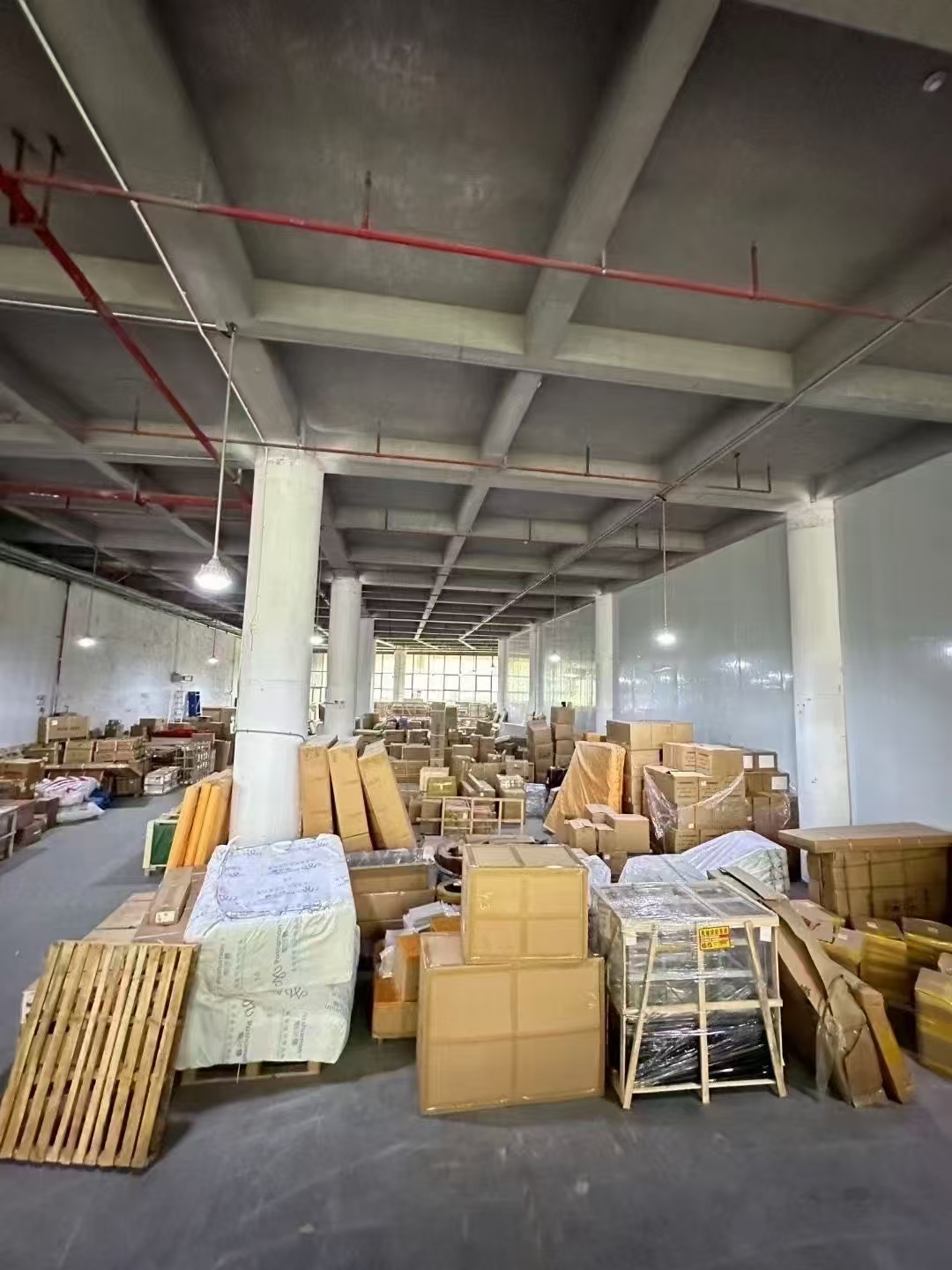
You also need to provide the correct Harmonized System (HS) codes for each item. These codes determine the applicable tariffs and regulations. Using the wrong HS code can lead to incorrect tax calculations and potential fines.
Packaging and Labeling Issues
Improper packaging can lead to damage during transit. For heavy or fragile items like glassware or large mirrors, it's essential to use appropriate cushioning materials. In 2025, I handled a shipment of delicate glass vases to Melbourne. The packaging was not sturdy enough, and many of the vases arrived broken. The client not only lost the goods but also had to deal with the hassle of filing a claim.Clear labeling is also important. Each package should be labeled with the recipient's address, the sender's address, and a description of the contents. This helps the ABF during inspections and ensures the smooth flow of the shipment.
Shipping Channel Selection
Choosing the wrong shipping channel can lead to longer transit times and higher costs. For urgent shipments, air freight might be a better option, although it's more expensive. Sea freight is suitable for large - volume shipments but has a longer transit time. A home goods seller once shipped a small but urgent order of new - season decorations using sea freight to save money. The goods arrived too late for the holiday season, resulting in lost sales opportunities.IV. Recommended Solutions - Why Choose Ausofy International Logistics?
Expertise in New Policies Ausofy International Logistics has a team of experts who stay updated with the latest 2026 policies. They can help you accurately classify your goods according to the new HS codes and ensure that all documentation meets the ABF and DAFF requirements. For example, they can assist in obtaining the necessary treatment certificates for wooden goods.Comprehensive Service Package We offer a full - service solution from domestic pick - up in China, through customs clearance in Australia, to final delivery. This includes free services such as consolidating multiple packages, repackaging to reduce size and cost, and providing a long - term (up to 365 days) free storage service. This is very useful for home goods sellers who might need to wait for a full container load or for customers who are not yet ready to receive their goods.
Flexible Shipping Channels Ausofy International Logistics provides a variety of shipping channels, including high - end air freight for urgent shipments, regular air freight for medium - priority goods, and sea freight options such as fast - shipping sea routes and direct - line services. This allows you to choose the most suitable option based on your budget and time requirements.
V. Frequently Asked Questions (FAQ)
Q: How long does it take to ship household goods from China to Australia using sea freight? A: It usually takes roughly 20 - 30 days, but this can vary depending on factors like the shipping route, port congestion, and weather conditions. For example, during peak shipping seasons, there may be some delays.Q: Can I ship food items to Australia? A: It depends on the type of food. In 2026, many food items are restricted or prohibited due to biosecurity reasons. Ausofy International Logistics can help you check if your specific food item can be shipped and guide you through the necessary procedures.
Q: What if my goods are damaged during transit? A: Ausofy International Logistics has a comprehensive after - sales service. We offer a damage compensation policy. If your goods are damaged, you can file a claim, and our team will handle the process efficiently.
Q: How can I ensure that my documentation is correct? A: Our professional team will review all your documentation before submission. We have years of experience dealing with Australian customs, so we can help you avoid common mistakes and ensure that all information is accurate.
Q: Are there any hidden costs when using Ausofy International Logistics? A: No, we have a transparent pricing policy. We use a standardized and graduated pricing rule, and there are no hidden charges or port surcharges. You'll know exactly what you're paying for from the start.
In 2026, shipping household goods to Australia requires a good understanding of the new policies and potential pitfalls. By choosing a reliable logistics partner like Ausofy International Logistics, you can avoid many of these issues and ensure a smooth shipping process.