


1. Introduction
Have you ever had a situation where your shipping costs skyrocketed unexpectedly because of an issue with cargo weight measurement? In the China - Australia cross - border logistics industry, accurate weight measurement is crucial. It affects not only the shipping cost but also the smooth progress of customs clearance. In 2026, with the implementation of new regulations by the Australian Border Force (ABF), getting the weight right is more important than ever. I've seen many small business owners, importers, and e - commerce sellers fall into weight - related traps. Let me share my hands - on experience to help you avoid these common pitfalls.
2. Understanding the New Regulations and Their Impact
The new regulations in 2026 put more emphasis on accurate weight reporting. The ABF has tightened the inspection of cargo weights to prevent under - or over - reporting. An inaccurate weight can lead to fines, delays in customs clearance, and even confiscation of goods in serious cases. For example, I had a client last year in Brisbane who was importing home goods from China. They underestimated the weight of their shipment to save on shipping costs. When the ABF inspected the cargo, they found the discrepancy and imposed a hefty fine on the client. Not only did the client end up paying more, but the goods were also held in customs for almost two weeks, causing significant losses in business opportunities.
3. Three Common Pitfalls and Solutions
3.1 Inaccurate Weighing Equipment
Many small businesses use their own weighing scales, which may not be calibrated correctly. This can result in inaccurate weight measurements. Once, I worked with a 3C electronics seller in Sydney. They used an old weighing scale to measure their products before shipping. The scale was off by about 5%, which led to an incorrect declaration of the cargo weight. When the shipment arrived at Port Botany, the ABF's more accurate weighing equipment detected the discrepancy. Solution: Regularly calibrate your weighing equipment. You can also use professional weighing services provided by reliable logistics companies. For instance, companies like [奥飞国际物流] have state - of - the - art weighing facilities that are calibrated regularly to ensure accurate measurements.
3.2 Failure to Account for Packaging Weight
Some importers only consider the weight of the goods themselves and forget to include the weight of the packaging. In cross - border logistics, the packaging can add a significant amount of weight. I remember an apparel importer in Melbourne who was shipping winter coats. The thick cardboard boxes and stuffing materials added a considerable weight to the shipment. But they didn't account for this in their weight declaration. Solution: Always weigh a sample of the product with its packaging to get an accurate estimate. Work closely with your supplier to understand the exact packaging materials and their weights. When using a logistics provider, ask them to include the packaging weight in the overall measurement.
3.3 Inconsistent Weight Declaration Throughout the Process
Sometimes, the weight declared at the origin can be different from the weight measured at the destination. This can happen due to factors like moisture absorption during transit. A trade factory in Adelaide once faced this issue when shipping metal products. The products absorbed some moisture during the long - distance sea journey, increasing their weight. Solution: Take pre - shipment photos and weigh the goods multiple times. Provide this information to your logistics provider. They can then use it to manage potential weight discrepancies during transit. Our company, [奥飞国际物流], has a tracking system that monitors the weight - related information from the origin to the destination, ensuring consistency in weight declarations.
4. Case Studies of Pitfall Avoidance
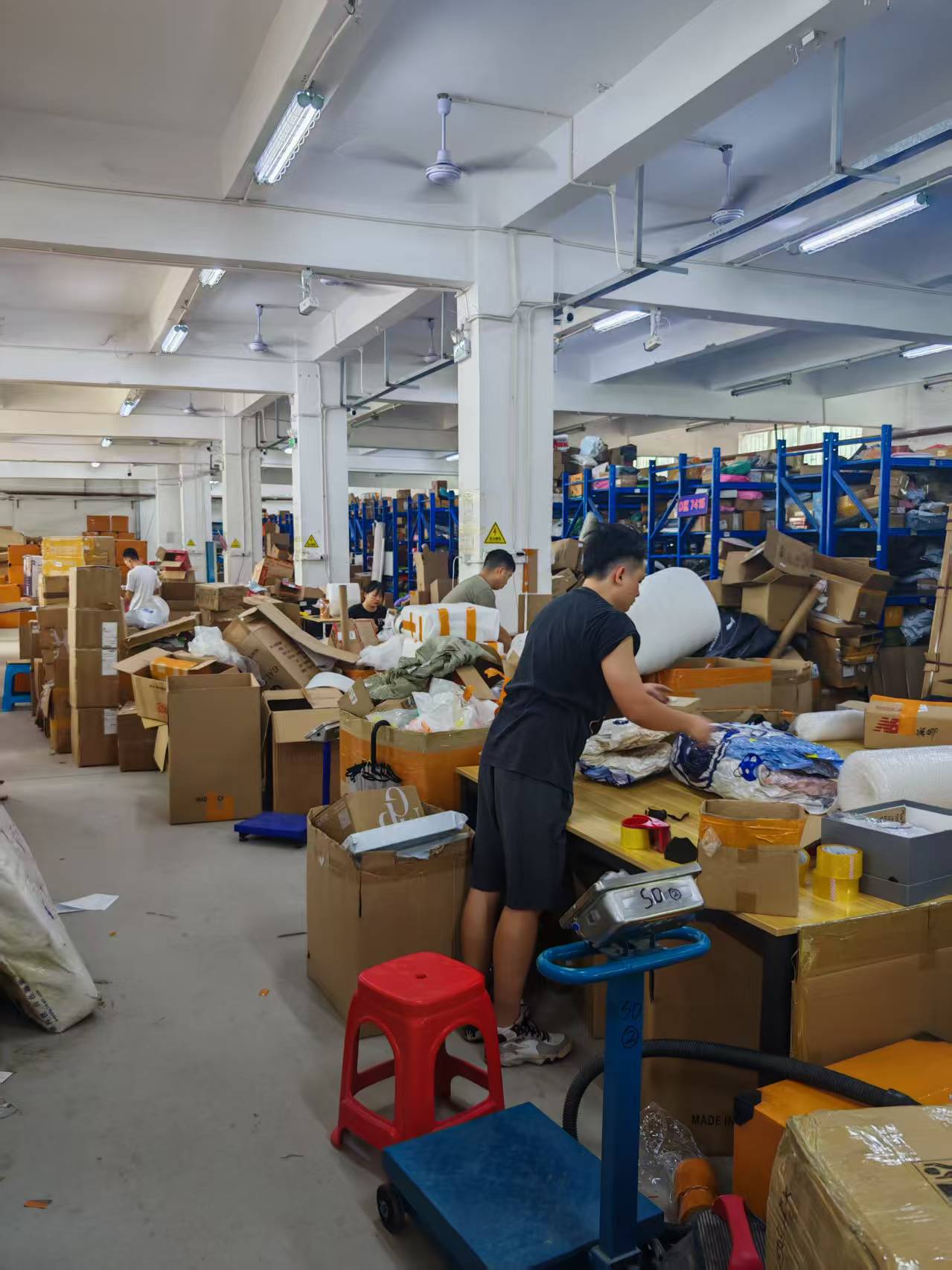
4.1 Home Goods Seller in Sydney
A home goods seller in Sydney was planning to import a large batch of furniture from China. They knew that accurate weight measurement was crucial, but they were unsure how to handle it. They approached [奥飞国际物流]. Our team helped them weigh the furniture and packaging accurately. We also provided them with advice on how to minimize the packaging weight without compromising on the protection of the goods. As a result, the shipment cleared customs smoothly without any weight - related issues, and the seller saved on shipping costs.
4.2 3C Electronics Seller in Brisbane
A 3C electronics seller in Brisbane had a history of weight - related problems in the past. For their next shipment, they decided to entrust the job to [奥飞国际物流]. We used our advanced weighing equipment to measure the products precisely. We also provided detailed documentation of the weight measurements to the ABF. This ensured that the shipment passed through customs quickly, and the seller avoided any potential fines.
5. Best Practices for Accurate Weight Measurement
Use Standardized Weighing Procedures: Develop a set of standard procedures for weighing your goods. Train your staff to follow these procedures strictly.Keep Records: Maintain detailed records of all weight measurements, including the date, time, and equipment used. This can be useful in case of any disputes.
Work with a Reliable Logistics Partner: A good logistics partner like [奥飞国际物流] can offer professional weight - measurement services and help you navigate the complex regulations.
6. FAQ
What if I realize I've declared the wrong weight after the shipment has left China? Well, it's not the end of the world, but it can be a bit tricky. If you catch the mistake early, contact your logistics provider immediately. They can try to rectify the situation by communicating with the relevant authorities. At [奥飞国际物流], we have experience in handling such situations. We'll work with you to minimize the impact, but it's always better to get the weight right from the start.How often should I calibrate my weighing equipment? It's recommended to calibrate your weighing equipment at least once a quarter. However, if you use it frequently or in a harsh environment, you may need to calibrate it more often. Professional calibration services can ensure the accuracy of your equipment.
Can I rely on the supplier's weight information? While suppliers usually provide accurate weight information, it's still a good idea to double - check. There could be differences due to packaging changes or measurement inaccuracies on their end. It's better to be safe than sorry and do your own weighing.
What are the consequences of under - reporting the cargo weight? Under - reporting the cargo weight can lead to serious consequences. The ABF may impose fines, hold your shipment in customs, or even confiscate the goods. It can also damage your reputation as an importer. So, always report the accurate weight.
How does [奥飞国际物流] ensure accurate weight measurement? We use state - of - the - art weighing equipment that is calibrated regularly. Our experienced staff follows strict weighing procedures. We also have a quality control system in place to double - check all weight measurements. Additionally, we keep detailed records to ensure transparency and accountability.
In the ever - changing world of China - Australia cross - border logistics, accurate cargo weight measurement is a key factor in ensuring a smooth and cost - effective shipping process. By being aware of the common pitfalls and following the best practices, you can avoid unnecessary headaches and focus on growing your business.