


Introduction
Sending personal belongings to Australia can be a daunting task, especially with the upcoming 2026 Australian Border Force (ABF)新政. I've seen so many people run into issues during this process. Just last year, a client of mine spent a fortune on shipping only to face endless delays and customs problems. This essay is all about sharing my hands-on experience to help you steer clear of these pitfalls.
I. Understanding the 2026 ABF Policy Changes
The 2026 ABF policy brings some significant changes that you must be aware of. First off, there are stricter regulations on certain items. For instance, food items need more detailed declarations. Previously, a simple list might have sufficed, but now you need to provide information about the ingredients, origin, and even the production process. This is to ensure that no harmful pests or diseases are introduced into Australia.
I recall a case where a person was sending some homemade preserves. They didn't realize the new requirements and didn't provide the necessary details. As a result, their package was held up at customs for weeks, and they had to pay additional fees to get it sorted out.
II. Choosing the Right Shipping Method
Air Freight
Advantages: It's fast, usually taking around 3 - 5 days to reach major Australian cities like Sydney or Melbourne. This is great if you're in a hurry to get your belongings. For example, if you're moving for a new job and need your essentials quickly, air freight is a good option.Limitations: It's expensive. The cost per kilogram can be 3 - 5 times higher than sea freight. Also, there are restrictions on the size and weight of the packages. You can't send really large or heavy items easily.
Sea Freight
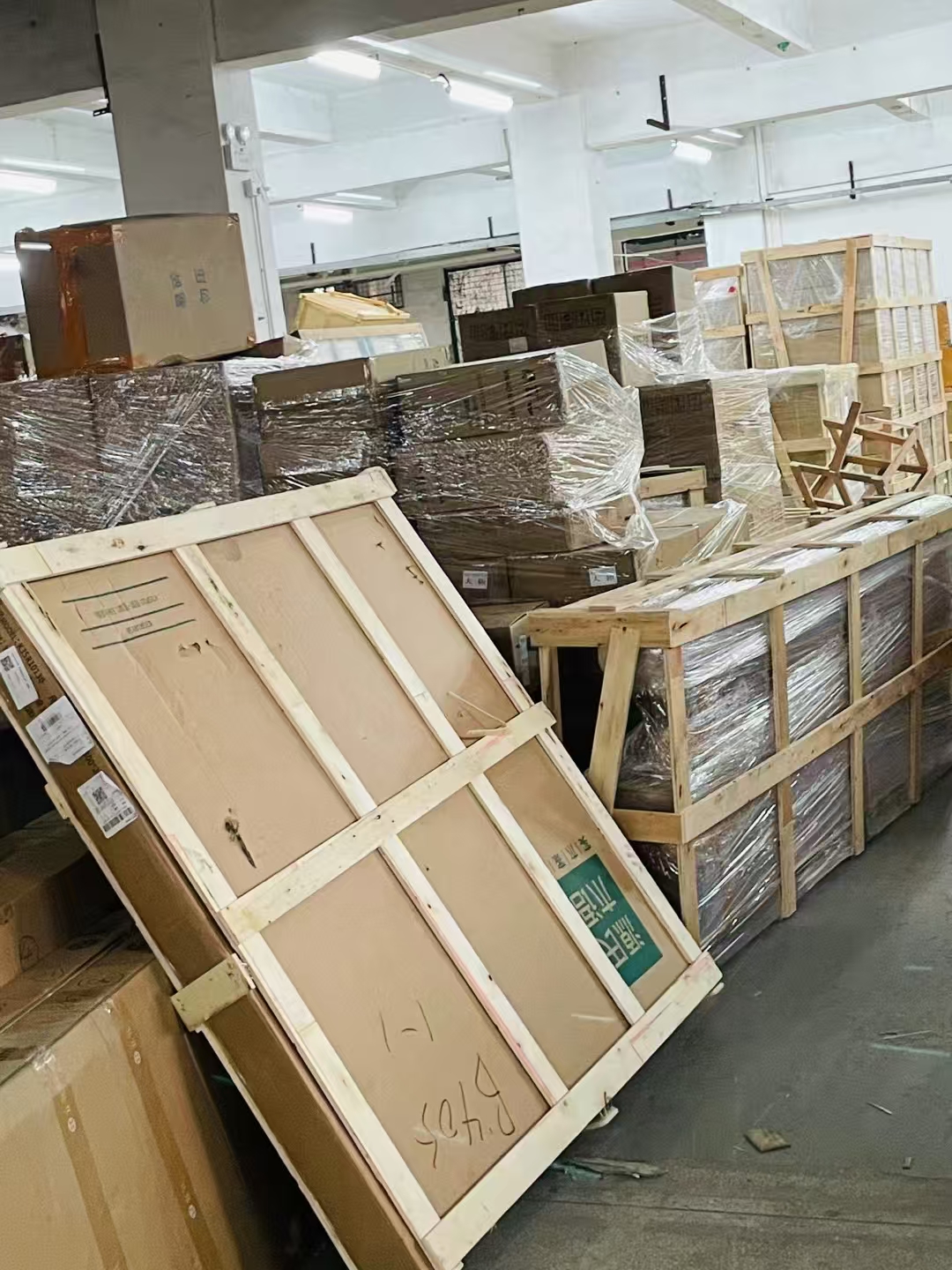
Limitations: It's slow. The transit time can be anywhere from 14 days to several weeks, depending on the port of departure and arrival. There's also a risk of delays due to bad weather or other unforeseen circumstances.
III. Preparing Your Belongings for Shipment
Packaging Use high - quality packing materials. For fragile items like glassware or electronics, use bubble wrap and sturdy boxes. I once had a client who used flimsy boxes for their expensive china. During transit, many pieces got broken.Label your packages clearly. Mark which ones are fragile, which are heavy, etc. This helps the handlers take proper care of your belongings.
Documentation Make sure you have all the necessary documents. This includes a detailed inventory of your items, with descriptions, values, and quantities. Incorrect or incomplete documentation can lead to customs issues. For example, if you undervalue your items, you might be suspected of tax evasion.
Keep copies of all the documents for your records. In case of any disputes or inquiries, you'll have the information at hand.
IV. Dealing with Customs
Customs Declaration Be accurate and honest in your customs declaration. Don't try to hide anything. The ABF has strict inspection procedures, and if they find discrepancies, you could face fines or even have your items confiscated.Know the duty - free allowances. In 2026, the rules might change, so it's important to stay updated. For example, there are limits on the value of new goods you can bring in without paying duty.
Biosecurity Checks Australia has very strict biosecurity regulations. Items that could potentially carry pests or diseases, such as wooden furniture, plant products, or used clothing, need special attention. You might need to have them treated or inspected before shipment.
I had a client who was sending some used camping gear. They didn't realize that it needed to be thoroughly cleaned to remove any dirt or debris. The gear was held up at the port for biosecurity checks, causing a lot of inconvenience.
V. Selecting a Reliable Logistics Provider
Experience and Reputation Look for a provider that has experience in shipping to Australia. A company like 奥飞国际物流, which has been in the business for 12 years, is more likely to know the ins and outs of the process. They've dealt with various customs issues and can offer better solutions.Check online reviews and ask for references. This will give you an idea of their reliability and customer service.
Service Offerings Choose a provider that offers a comprehensive range of services. For example, 奥飞国际物流 provides free services like代收淘宝包裹, package consolidation, and long - term storage. This can save you a lot of hassle and money.
They should also have a good track record of customs clearance. With a clearance rate of over 98% for sensitive goods, you can be more confident that your items will pass through customs smoothly.
FAQ
Q: What if I'm sending some family heirlooms? Do they need special handling? A: Yes, they do. Family heirlooms often have sentimental and sometimes high monetary value. You should make sure they're properly insured. Also, provide detailed information about their origin and history in your customs declaration. A reliable logistics provider like 奥飞国际物流 can help you with the insurance process and ensure that they're packed securely.Q: Can I send food items to Australia? A: You can, but it's a bit tricky. With the 2026 ABF policy, you need to provide detailed information about the food, such as ingredients and production process. Some types of food might be restricted or prohibited. It's best to consult with your logistics provider before sending food items.
Q: How can I track my shipment? A: Most reliable logistics providers, including 奥飞国际物流, offer a digital tracking system. You can get real - time updates on the location of your shipment. Just log in to their website or app using the tracking number provided.
Q: What if my shipment is delayed? A: Delays can happen due to various reasons, such as bad weather, customs issues, or port congestion. If your shipment is delayed, contact your logistics provider immediately. A good provider like 奥飞国际物流 will keep you informed about the situation and work on resolving the issue as quickly as possible.
Q: Are there any size or weight limits for shipping personal belongings? A: It depends on the shipping method. Air freight usually has stricter size and weight limits compared to sea freight. For example, most airlines have a maximum weight limit of around 32 kg per package. If you're sending large or heavy items, sea freight is a better option. Your logistics provider can give you specific details based on your shipment.
In summary, sending personal belongings to Australia in 2026 requires careful planning, understanding of the new policies, and choosing the right partners. By following these tips, you can avoid many common pitfalls and ensure a smooth shipping process.